Flight vs Ferry to Culebra
Flying to Culebra is the fastest and most reliable option, while the ferry is by far the cheapest - your best choice depends on your budget, schedule, and travel style.
Round-trip shuttle and ferry tickets; independent island time. Taxis, rentals, activities, lunch and beach entry cost extra. Explore Culebra Ferry Tickets & Round-Trip Transport from San Juan
The flight wins on speed, reliability, and luggage simplicity. The ferry wins on cost, the experience of arriving by sea, and carrying more bags without weight restrictions. Flying from San Juan’s Isla Grande Airport (SIG) to Culebra takes 25 to 30 minutes in the air and costs from $89 one-way. Flying from Ceiba Airport takes 12 to 15 minutes and costs from $50 one-way. The ferry from Ceiba costs ~$4.25 per adult one-way but takes an hour on the water and can be rough in winter. For day trippers and anyone short on time, fly. For overnight visitors traveling on a budget with manageable bags, the ferry is a legitimate choice.
Booking Choice: Designated San Juan pickup; return to San Juan. Check Dates For The San Juan Ferry Package
Flight vs Ferry to Culebra: Side-by-Side
| Cost (one-way) | From ~$50 (Ceiba) or ~$89 (San Juan SIG) | ~$4.25 per adult (non-resident, incl. environmental fee) |
| Flight/crossing time | 12-15 min (Ceiba) / 25-30 min (San Juan) | ~60 min (passenger ferry) / ~90 min (cargo-passenger) |
| Door-to-door from San Juan | ~2-2.5 hours total | ~3.5-4 hours total |
| Reliability | Good. Weather delays possible in rain or strong wind. | Variable. Cancellations for rough seas, mechanical issues. |
| Luggage | Strict. ~30 lbs per person. Small soft bags only. | Flexible. Large bags, coolers, surfboards permitted. |
| Departure points | San Juan Isla Grande (SIG), Ceiba Airport (NRR) | Ceiba Ferry Terminal only |
| Airlines/operators | Air Flamenco, Cape Air, Vieques Air Link | Puerto Rico Ferry (operated by Hornblower/HMS) |
| Seasickness risk | Very low. Short flight. Light turbulence possible. | Real risk, especially eastbound in winter swells. |
| Arrival point on Culebra | Benjamin Rivera Noriega Airport (CPX), <1 mile from Flamenco Beach | Dewey ferry dock, 2.5 miles from Flamenco Beach |
| Rental car to Culebra? | No. Rent golf cart or Jeep on island. | No (cargo ferry is for resident vehicles only). |
| Best for | Day trippers, time-sensitive trips, winter travel, anxious fliers comfortable with small planes | Budget travelers, overnight visitors with gear, those who want the full island arrival experience |
Prices verified July 2026. Fares fluctuate; confirm with carriers before booking.
What Are the Two Main Ways to Get to Culebra?
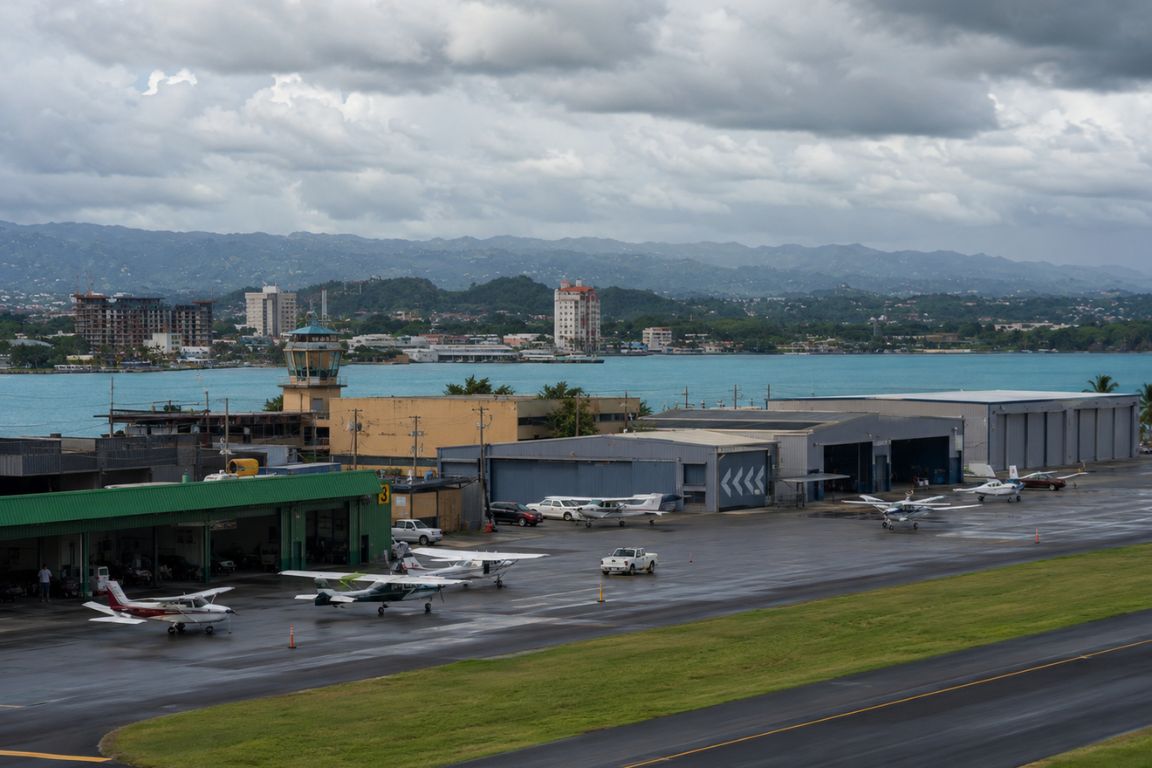 You reach Culebra by either a short-hop propeller plane or the public passenger ferry from the Ceiba terminal on the mainland. There is no road connection and no large commercial airline service. Both options depart from or near Ceiba on Puerto Rico’s east coast, about 75 to 90 minutes from San Juan. The flight takes 12 to 30 minutes in the air depending on departure airport. The ferry takes about an hour on the water. The difference in total door-to-door time is roughly 1 to 1.5 hours, which matters a great deal on a day trip and much less on an overnight stay.
Most travelers coming from San Juan have two realistic departure point combinations. The first: drive or taxi to San Juan’s Isla Grande Airport (SIG), a small domestic airport 15 minutes from the international terminal in the Miramar neighborhood, and fly directly to Culebra with Air Flamenco or Cape Air. Flight time is about 25 to 30 minutes. The second: drive or taxi to the Ceiba area on Puerto Rico’s east coast, about 75 to 90 minutes from San Juan, and either take the ferry from the Ceiba Ferry Terminal or fly from the adjacent Ceiba Airport (NRR). The flight from Ceiba is only 12 to 15 minutes. The ferry from Ceiba is about 60 minutes.
All routes land you on an island with no rental cars from the mainland, a single ATM, and ground transport by golf cart, Jeep, taxi, or e-bike. The choice of how you get there does not change what the island is when you arrive. What it changes is how much of your day you spend getting there, how much you spend on the ticket, what you can bring, and how confident you feel that the trip will actually happen on schedule.
Not sure how to actually get there or what to do once you arrive? This breakdown on how to visit Culebra tours covers the ferries, the beaches, and the logistics most first-timers miss.
How Much Does the Flight to Culebra Cost vs the Ferry?
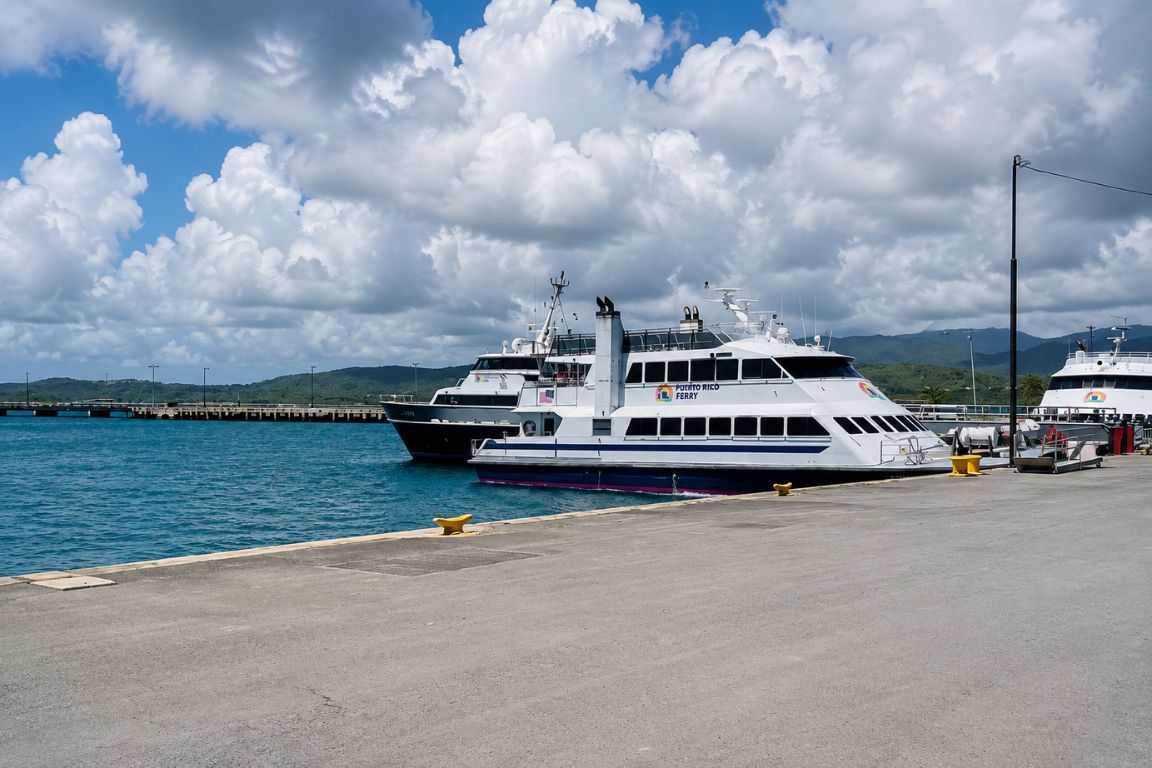 The flight costs between $50 and $150 per person one-way depending on the departure airport and airline. The cheapest option is flying from Ceiba Airport with Air Flamenco or Vieques Air Link, starting around $50 one-way. Flying from San Juan Isla Grande with Cape Air or Air Flamenco starts around $89 one-way. The ferry costs approximately $4.25 per adult one-way including the $2 environmental preservation fee. For a group of four on a round-trip, the cost difference is roughly $320 to $480 per group for flights versus $34 for the ferry.
The ferry’s cost advantage is enormous on paper and real in practice, but the full cost comparison requires honesty about what the ferry actually costs when you factor in everything. Getting to the Ceiba Ferry Terminal from San Juan requires either a rental car (and mainland parking for the duration of your trip) or a taxi ($80 to $100 each way). If you are already renting a car for your Puerto Rico trip, the ferry makes excellent cost sense: drive to Ceiba, park at the terminal for $5 to $11 per day, ferry across, explore Culebra without a car, and drive home. If you are not renting a car, the taxi to Ceiba and back adds $160 to $200 to the ferry cost, which starts to close the gap with the more convenient Isla Grande flight.
Flying from Ceiba Airport sits in an interesting middle ground. If you have a rental car and are already driving to Ceiba for the ferry, the Ceiba Airport is directly adjacent to the ferry terminal. A round-trip flight from Ceiba at $50 to $70 per person versus the ferry at $8.50 per person is roughly $85 to $125 more per person for the flight, with significantly less time on the water. For travelers who prioritize reliability and speed but are already driving to Ceiba anyway, this is the best-value flight option.
Not sure about schedules, prices, or how early you need to arrive to guarantee a spot? This ferry to Culebra guide covers everything you need to know before you commit to the crossing.
How Long Does Each Option Take Door to Door?
Door-to-door from a San Juan hotel, the flight takes roughly 2 to 2.5 hours: 30 minutes to Isla Grande Airport, 30 minutes check-in and boarding, 25 to 30 minutes in the air, 5 minutes to taxi arrival and ground transport. Door-to-door via ferry takes roughly 3.5 to 4 hours: 75 to 90 minutes to Ceiba, 60 minutes check-in and boarding minimum, 60 minutes on the water, and ground transport from Dewey dock. The flight saves you at least 1 hour and sometimes 1.5 hours of transit each way.
For day trippers, that hour is significant. A Culebra day trip has a natural window: arrive in Dewey by 10 or 11 AM to have a full afternoon at the beach before the 5 PM return push. By ferry, this means leaving your San Juan hotel by 7 AM to reach Ceiba in time for the mid-morning sailing. By flight from Isla Grande, leaving at 8:30 AM is sufficient. An extra 90 minutes of sleep, or 90 fewer minutes of transit stress, is worth measuring against the ticket price difference when you are deciding for a single day visit.
For overnight visitors with two or more days on the island, the door-to-door time difference shrinks in importance. If you are staying for three nights, arriving an hour later by ferry on day one and leaving an hour earlier by ferry on the last day costs you less than two hours total across a 72-hour trip. In that context, the $80 to $120 per-person saving on round-trip ferry vs flight becomes a clearer win.
Trying to fit Culebra into a San Juan itinerary without committing to an overnight stay? Here’s Culebra day trips from San Juan broken down so you make the most of the time you have.
| Fly SIG (Isla Grande) to CPX | 25-30 min in air | ~2-2.5 hours | From ~$89 |
| Drive to Ceiba + Fly to CPX | 12-15 min in air | ~2.5 hours (with driving time) | From ~$50 (+ driving costs) |
| Drive to Ceiba + Ferry to Dewey | ~60 min on water | ~3.5-4 hours | ~$4.25/person |
Which Is More Reliable: Flight or Ferry?
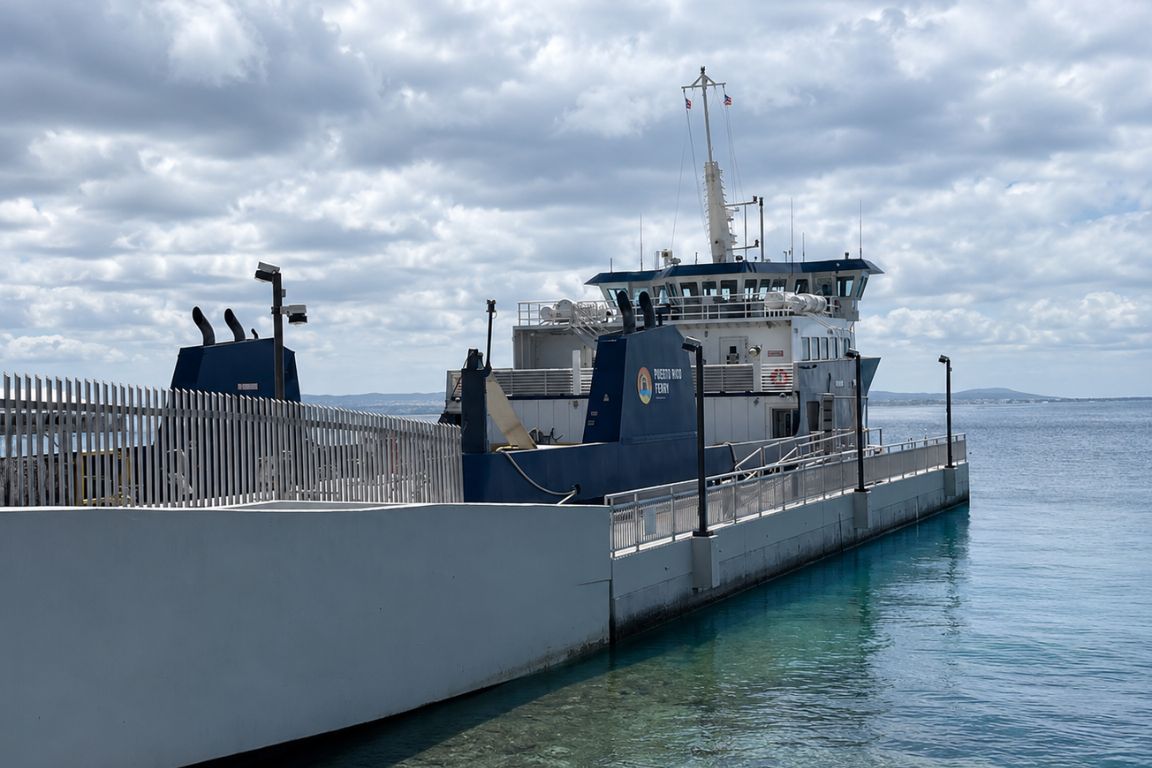 The flight is more reliable for on-time departures. Ferry cancellations for rough weather, mechanical issues, and scheduling irregularities are a documented and recurring reality of the Puerto Rico Ferry system. Small plane flights can be delayed by rain or strong wind but rarely cancelled outright. For travelers with strict return schedules, connecting flights from San Juan, or time-sensitive plans, the flight is the lower-risk choice. The ferry is fine for travelers with flexibility built into their schedule.
The ferry’s reliability record is honest territory that deserves straight talk. The Puerto Rico Ferry system has had documented periods where mechanical failures left large portions of the fleet out of service, leaving residents and visitors stranded or waiting for hours at the terminal. The system has improved since HMS Ferries took over operations under a 23-year contract, and the experience of booking and boarding is more organized than it was in the pre-Hornblower era. But weather-related cancellations still happen, particularly in the winter months when Atlantic fronts can make the crossing unsafe, and mechanical issues remain part of the operating history.
Small plane flights to Culebra are not immune to delays. Air Flamenco, Cape Air, and Vieques Air Link all fly propeller aircraft with 8 to 10 seats. Rain squalls delay departures. If a plane has a mechanical issue, the replacement window is longer than for a large commercial carrier because the fleet is small. What these airlines do not experience is the kind of multi-hour dock waiting that a cancelled or delayed ferry can produce. A delayed small plane flight is typically 30 to 60 minutes. A cancelled ferry in rough seas means the next sailing, which may be hours away and already overbooked.
The hybrid approach many experienced Culebra travelers use: fly in on the less reliable direction (eastbound, which runs against the swell and has more weather exposure) and take the ferry back on the calmer return leg. Or fly both ways in peak winter season and take the ferry in the flat summer months when cancellations are rare. This is not overthinking the logistics; it is applying twelve years of watching how these options perform across different seasons.
The season you pick changes everything from beach crowds to turtle nesting activity. Here’s the best time to visit Culebra tours so you go when it actually counts.
Which Option Is Better for Day Trippers?
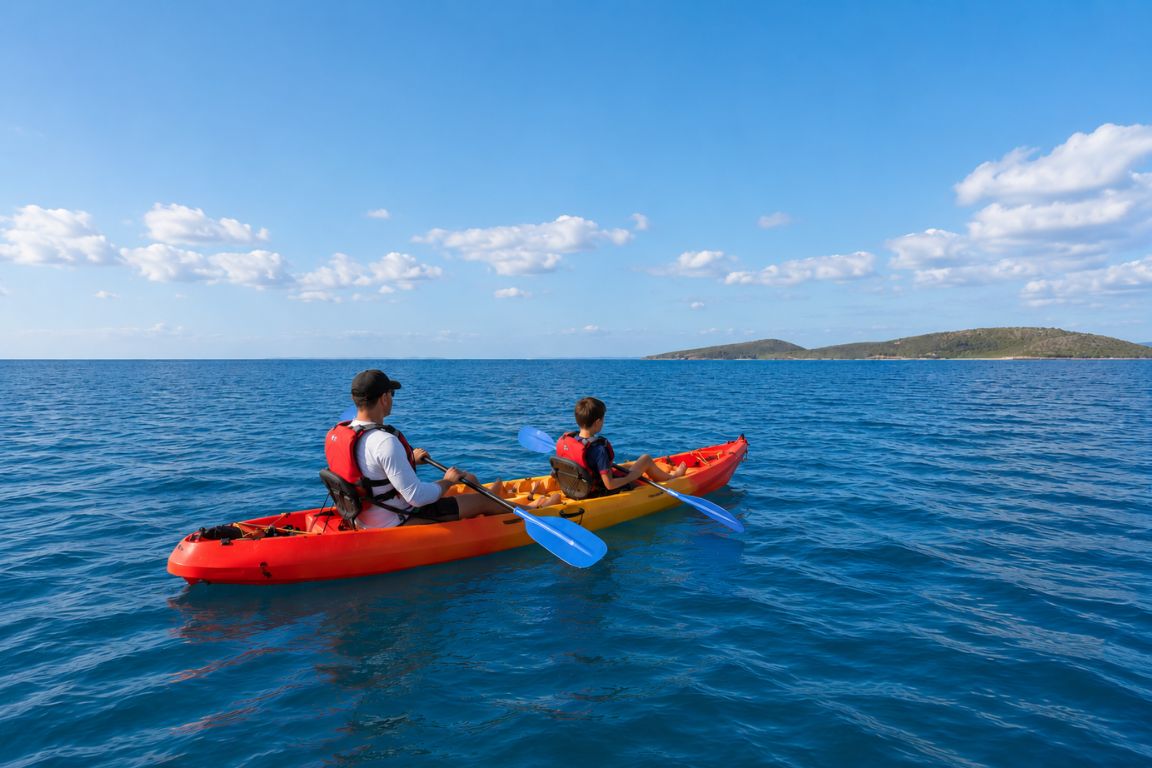 The flight is better for day trippers. It saves 1 to 1.5 hours of transit each way, produces at least 2 to 3 additional hours at Flamenco Beach, and eliminates the seasickness risk on the return crossing after a full day in the sun. Day trippers flying from Isla Grande Airport can leave San Juan at 8:30 AM and be at Flamenco Beach before 11 AM. Day trippers taking the ferry from Ceiba need to leave San Juan by 7 AM to reach the same destination by 11 AM.
A day trip to Culebra has a hard time constraint. The last entry to Flamenco Beach is 5:30 PM when the gate closes. The last ferry from Dewey back to Ceiba typically departs late afternoon. If you arrive in Dewey at 10:30 AM by ferry, you have roughly six to seven usable hours. If you arrive at 10:30 AM by plane (having left 90 minutes later from San Juan), you have the same hours but with less stress in the morning. The second scenario also means you are not managing seasickness or the logistics of arriving at Ceiba early enough to guarantee your ferry boarding position.
The one argument for ferrying as a day tripper: cost savings for a group. Four people flying Isla Grande round-trip pays roughly $712 at $89 each way. Four people on the ferry round-trip pays $34. If budget is the primary constraint and the group has flexible timing and no seasickness concerns, the ferry day trip is entirely doable. The sweet spot is the mid-morning ferry out and the afternoon ferry back, giving a six-hour island window that is enough for Flamenco plus Tamarindo in a single day.
The ferry schedule alone can make or break a day trip here. Here’s a Culebra day trip guide so you don’t lose half your day waiting at the dock.
Which Option Is Better for Overnight Visitors?
 For overnight visitors, the ferry becomes a genuinely competitive option. With two or more nights on the island, the transit time difference matters much less, the cost savings on a group booking are substantial, and the practical limitation of the flight (strict weight limits of 30 lbs per person) becomes more noticeable. Overnight visitors with camping gear, multiple bags, a cooler, or surf equipment will find the ferry’s luggage flexibility a meaningful advantage.
The weight limit on small-plane flights to Culebra is approximately 30 lbs per passenger, sometimes less depending on load factors and aircraft type. Soft bags are required; no hard-shell rolling suitcases. If you are traveling light with a beach bag and a daypack, this is not a problem. If you are bringing snorkeling equipment, three days of clothing, beach chairs, or a cooler for the campground at Flamenco, you will either pay extra fees, leave gear behind, or be asked to take the next flight because the current one is over weight limits. The ferry accepts all of this without restriction.
The arrival experience also differs in a way some overnight visitors find meaningful. The ferry approaches Culebra through the channel between the island’s cays, with views of the water shifting from open Atlantic to protected harbor. You arrive in Dewey at sea level, walking off the boat into the small-town waterfront. The plane arrives at a tiny airport less than a mile from Flamenco Beach, which is efficient but skips the arrival atmosphere entirely. Neither is better in any objective sense; they are just different, and some travelers actively want the ferry arrival as part of the experience.
Trying to plan a beach day that actually lives up to the photos? Here’s a Flamenco Beach guide so you arrive prepared and leave with no regrets.
How Our Groups Have Used Both Options Over 12 Years
From 15,400+ travelers guided through Culebra, the patterns of how different types of visitors choose and experience their transport are consistent.
| Day trippers from San Juan | 71% | 29% | Flyers: “Worth every dollar.” Ferry group: “Rougher than expected.” |
| 2-3 night visitors | 48% | 52% | Ferry more popular here; split roughly even, budget-driven. |
| Visitors with heavy gear | 18% | 82% | Weight limits decide it. Ferry is the only practical option with camping or surf gear. |
| Winter visitors (Dec–Feb) | 67% | 33% | Rough seas drive more winter travelers to the flight. |
| Summer visitors (Jun-Aug) | 44% | 56% | Calmer seas make the ferry more appealing in summer. |
Flight vs Ferry: What Do You Actually Experience?
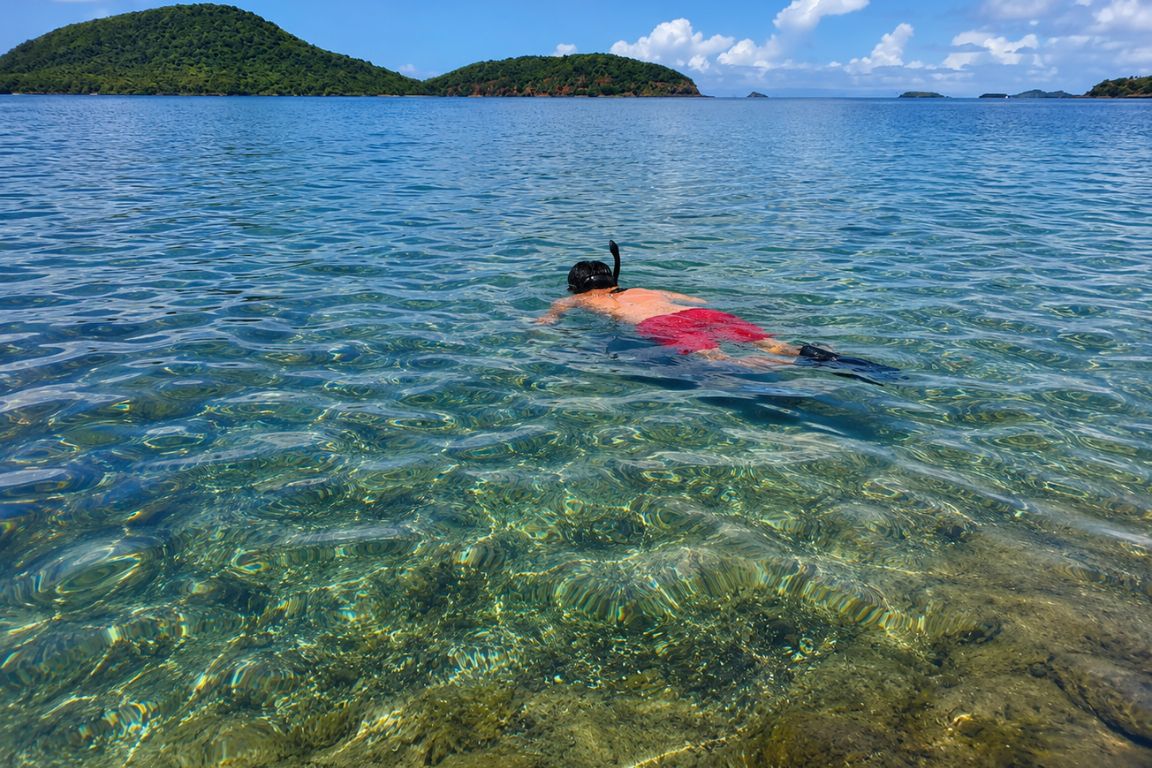 The flight is a 25-minute propeller plane ride in an aircraft with 8 to 10 seats, no security screening at the small domestic airports, and views over the Spanish Virgin Islands cays that most passengers describe as genuinely beautiful. The ferry is an hour on a public boat with air conditioning below deck, open seating on the upper deck, and a crossing that can range from flat and scenic to rough enough to require medication. Both are part of arriving at a Caribbean island that does not have a highway or a cruise pier.
Flying to Culebra is not like flying commercially. Air Flamenco and Vieques Air Link operate Britten-Norman Islander aircraft, twin-propeller planes that seat 8 to 9 passengers in two single-seat rows. Cape Air flies similar small turboprops. Check-in at Isla Grande Airport is informal: no security screening, no body scanner, bags weighed at the counter, and you walk directly from the desk to the tarmac. The flight itself traces the coastline east and then turns south over the cays. From the right seat, you see Culebrita and then Flamenco Beach directly below you on approach to the CPX runway. Passengers who have never flown in a small prop plane find it memorable. Passengers who are anxious fliers should know that light turbulence in a 9-seat aircraft feels more pronounced than in a commercial jet, even in smooth conditions.
The ferry’s upper deck on a calm morning in April is one of the quieter pleasures of Puerto Rico travel: coffee from the concession stand, sea air, the eastern cays passing on the horizon. On a rough January crossing with Atlantic swell running, the same deck is a different story. The lower air-conditioned deck is cold, often very cold, and the rocking of the boat against swell is noticeable. The key variable, as always, is the weather on the specific day you travel rather than the season in general. Check conditions before assuming you know what the crossing will be like.
We’ve got a full Culebra travel guide if you want to know exactly how to get there, where to stay, and how to make the most of your time on the island.
Which Should You Choose: Flight or Ferry to Culebra?

Fly if you are on a day trip, traveling in winter, have a strict return schedule, or are traveling light. Take the ferry if you are staying overnight on a budget, bringing heavy gear, traveling with a large group where cost savings are meaningful, or specifically want the sea arrival experience. The mix that works best for many travelers: fly to Culebra and ferry back. You arrive with maximum time and minimum transit stress, and the westbound return ferry is consistently calmer and more enjoyable than the eastbound outbound.
The fly-in, ferry-back combination is the most commonly recommended approach among experienced Culebra visitors for good reason. Flying in from Isla Grande to CPX takes 25 minutes. You are at Flamenco Beach before 11 AM. The return ferry from Dewey to Ceiba runs westbound, with the wind and swell behind the boat rather than against it, which produces a noticeably smoother crossing. You spend an extra hour on the return, but you have already had your full day on the island by that point and the ferry back is often genuinely pleasant rather than something to be endured.
The reverse, ferrying in and flying back, also works for travelers who want the sea arrival and do not want to worry about return ferry tickets on a busy Sunday afternoon. Both combinations avoid the least pleasant version of either option, which is sitting on a rough eastbound ferry at 6 AM after a short night and arriving slightly seasick before the day has started.
Whatever you choose, plan both directions before you leave the mainland. Ferry return tickets for Sunday afternoons sell out. Flight seats on peak season weekend mornings go fast. Culebra is not a place you can wing the logistics on and count on it working out. The island rewards planning with exactly the experience it promises.
Frequently Asked Questions
Is it better to fly or take the ferry to Culebra?
For day trippers and winter travelers, the flight is better: faster, more reliable, and it eliminates seasickness risk. For overnight visitors with a budget focus or heavy gear, the ferry is the practical choice. The popular hybrid approach: fly in, take the ferry back on the calmer westbound return leg.
How much does it cost to fly to Culebra from San Juan?
From San Juan Isla Grande Airport (SIG), one-way fares start around $89 with Air Flamenco or Cape Air. From Ceiba Airport (NRR), fares start around $50 one-way with Air Flamenco or Vieques Air Link. Confirm current fares directly with carriers before booking as prices fluctuate.
What airlines fly to Culebra?
Three airlines serve Benjamin Rivera Noriega Airport (CPX) on Culebra: Air Flamenco (flyairflamenco.com), Cape Air (capeair.com), and Vieques Air Link. All operate small propeller aircraft with 8 to 10 seats. No security screening is required at Isla Grande or Ceiba airports.
What is the baggage limit on flights to Culebra?
Approximately 30 lbs per person including carry-on, though this varies by aircraft load on the day of travel. Soft bags only; hard-shell rolling suitcases are not suitable for small-plane cargo holds. If you are bringing camping gear, a cooler, or surf equipment, the ferry is the more practical option.
How far is the Culebra airport from Flamenco Beach?
Less than one mile. Benjamin Rivera Noriega Airport (CPX) sits on the southwest side of Culebra, a short taxi or golf cart ride from Flamenco Beach. It is significantly closer to Flamenco than the Dewey ferry dock, which is 2.5 miles from the beach.
Written by Camila Elena Ramirez
Puerto Rican tour guide since 2014 · Founder, Culebra Tours
Camila has guided over 15,400 travelers through Culebra and the Spanish Virgin Islands since founding the agency.