How to Visit Culebra
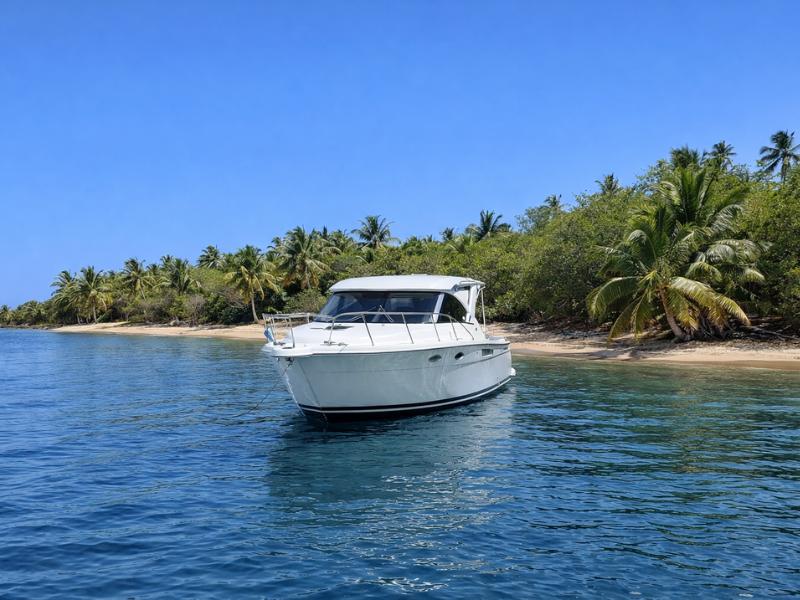
Culebra is Puerto Rico’s island paradise, known for pristine beaches, crystal-clear water, and laid-back charm. Here’s how to get there, when to visit, and how to plan the perfect trip.
Round-trip shuttle and ferry tickets; independent island time. Taxis, rentals, activities, lunch and beach entry cost extra. Explore Culebra Ferry Tickets & Round-Trip Transport from San Juan
Get to Culebra by ferry from Ceiba (1.5 hours, ~$4.25 with environmental fee) or by small plane from San Juan (25-35 minutes, from ~$89). Book ferry tickets 30 to 90 days in advance; they sell out fast on weekends. Rent a Jeep or golf cart in Dewey once you arrive. Plan at least two nights. Stay in Dewey if you want walkability, or near Flamenco if you want to wake up steps from the beach. Reef-safe sunscreen is not optional here. Bring cash. The island has one ATM and it runs out.
Booking Choice: Designated San Juan pickup; return to San Juan. Check Dates For The San Juan Ferry Package
Quick Facts: Getting to and Around Culebra
| Location | 17 miles east of the Puerto Rico mainland, between Puerto Rico and St. Thomas |
| Ferry terminal | Ceiba Ferry Terminal, PR-3 Km. 54.4, Ceiba (1.5 hrs drive east of San Juan) |
| Ferry fare (non-resident adult) | $2.25 one-way + $2.00 environmental preservation fee = ~$4.25 total |
| Ferry duration | ~1 hour (passenger ferry) / ~1.5 hours (cargo ferry) |
| Flight duration (from San Juan Isla Grande) | ~25-35 minutes. From ~$89 one-way. |
| Airlines serving Culebra (CPX) | Air Flamenco, Vieques Air Link, Cape Air |
| Ferry ticket release window | 30 to 90 days before travel. Sells out within hours on holiday weekends. |
| Island transportation | Jeep rental, golf cart rental, taxi, bicycle. No public transit. |
| Currency / ATM | US dollars. One ATM in Dewey (Banco Popular). Stock up on cash before arriving. |
| Passport required? | No. Puerto Rico is a US territory. US citizens need government-issued ID only. |
| Recommended stay | Minimum 2 nights. 3 nights is better. |
Prices verified July 2026. Ferry fares subject to change. Confirm at puertoricoferry.com before travel.
How Do You Actually Get to Culebra From San Juan?
 There is no direct ferry from San Juan to Culebra. You have two options: drive or shuttle 90 minutes east to the Ceiba Ferry Terminal and take the passenger ferry (about 1 hour, ~$4.25 for a non-resident adult), or fly from San Juan’s Isla Grande Airport to Culebra’s small CPX airport in 25 to 35 minutes (from ~$89 one-way). Most budget-conscious travelers take the ferry. Most travelers who value reliability and comfort fly.
The thing that trips up first-timers is the geography. San Juan is on the northwest corner of Puerto Rico. Culebra is 17 miles off the island’s east coast. That means any route to the island starts with getting across the main island first. From San Juan International Airport (SJU), the drive to the Ceiba Ferry Terminal runs about 90 minutes in normal traffic, closer to two hours when the road toward Fajardo backs up on holiday weekends. A taxi from SJU to Ceiba runs $80 to $100.
If you are driving a rental car, you will leave it at the Ceiba terminal parking lot ($5 per day) and rent separate transportation once you reach Culebra. Rental car companies in Puerto Rico do not allow their vehicles on the cargo ferry, and the cargo ferry reserved vehicle spots are strictly for Culebra residents anyway. Do not try to work around this. There is no workaround that does not involve insurance headaches and the goodwill of strangers on a loading dock.
The flight option starts at San Juan’s Isla Grande Airport (SIG), a small single-runway airport about 15 to 20 minutes from SJU by taxi. Air Flamenco, Vieques Air Link, and Cape Air all fly the San Juan to Culebra (CPX) route. The planes are small, typically 9 to 12 seats, and luggage weight limits apply strictly. The flight itself is one of the more scenic short-hauls in the Caribbean: you cross the water at low altitude and Culebra appears like a green smudge surrounded by turquoise that looks too vivid to be real. Budget travelers sometimes fly one way and ferry the other to split the difference on cost and experience.
The ferry is the most popular way to get to Culebra but it comes with a few things worth knowing before you show up at the dock. Here’s a full ferry to Culebra guide so nothing catches you off guard.
Ferry or Flight: Which One Should You Take?
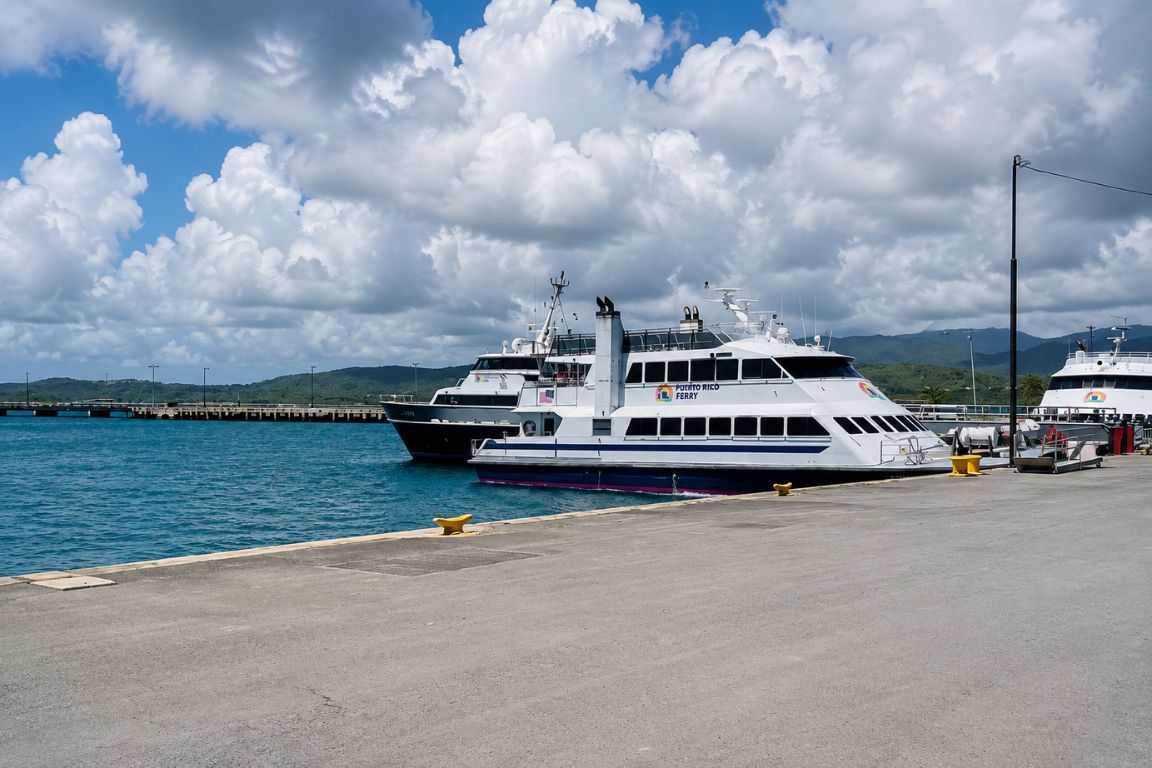 Take the ferry if you are budget-conscious, flexible on time, and not prone to seasickness. Take the flight if you are short on time, traveling during peak season when ferry tickets are hard to get, or if you want to eliminate the risk of a delayed or cancelled crossing. For most first-time visitors who have time to plan ahead, the ferry is the right call. For peak-season trips where you did not book early, flying is almost always the better move.
One practical note about the ferry that competing guides often bury: the crossing eastbound, from Ceiba to Culebra, is typically rougher than the return leg. The Atlantic swell runs against you going out. Seasickness medication should be taken at least one hour before boarding, not on the dock when you notice the water is choppy. Sit in the middle of the boat on a lower level if conditions look rough. The bags for passengers who did not take either piece of advice are available on request from the crew.
| Cost (one-way, adult) | ~$4.25 (fare + environmental fee) | From ~$89 |
| Travel time (door to island) | 3.5 to 4 hours total from San Juan | 1 to 1.5 hours total from SJU |
| Booking window | 30 to 90 days out. Sells fast on weekends. | More flexible. Still book 1 to 2 weeks ahead in peak season. |
| Cancellation risk | Weather cancellations happen. Especially winter and hurricane season. | Lower, but small planes also cancel in bad weather. |
| Seasickness risk | Real. Winter crossings can be rough. Bring medication. | None. |
| Luggage | One small carry-on included. Extra bags charged separately. | Strict weight limits. Pack light or pay overage fees. |
| Best for | Budget travelers, shoulder/off-season trips, flexible itineraries. | Peak season, tight schedules, families with young kids, motion-sensitive travelers. |
Prices verified July 2026.
Trying to decide which option makes more sense for your group size and itinerary? Here’s flight vs ferry to Culebra broken down so you stop going back and forth.
How Do You Get Around Culebra Once You Arrive?
 Culebra has no public transportation. Your options are Jeep rental, golf cart rental, taxi, bicycle, or walking if you are staying close to Dewey. For a stay of two or more nights where you plan to visit multiple beaches, rent a vehicle. For a day trip focused only on Flamenco Beach, a $5 taxi from the ferry dock gets you there and back without the hassle of a rental.
The Jeep vs. golf cart decision comes down to where you are going and how long you are staying. Golf carts handle the paved roads around Dewey and the route to Flamenco with no issues, cost less per day, are easier to park on the island’s narrow streets, and are genuinely fun. They do not handle the unpaved roads to Zoni Beach and some of the more remote areas well, especially after rain. A Jeep or 4WD vehicle is worth the extra cost if you plan to explore Zoni, Playa Brava, or any of the hillside roads east of town. It is also a more comfortable option for longer drives and for carrying more than two or three people with gear.
Rental companies cluster near the ferry dock and around the airport. Jerry’s Jeep Rental is the most established name on the island. Carlos Jeep Rental runs competitive rates, with 4-passenger Jeeps starting around $50 per day and 6-passenger options around $71 per day. In peak season, all rental vehicles book out fast. Reserve yours before you book your ferry ticket.
One thing most guides do not mention: personal auto insurance and credit card travel protection typically do not cover golf carts. You are usually buying CDW (collision damage waiver) coverage directly from the rental company. Confirm this before you drive off. The roads on Culebra are narrow, occasionally steep, and sometimes shared with chickens who have strong opinions about right-of-way.
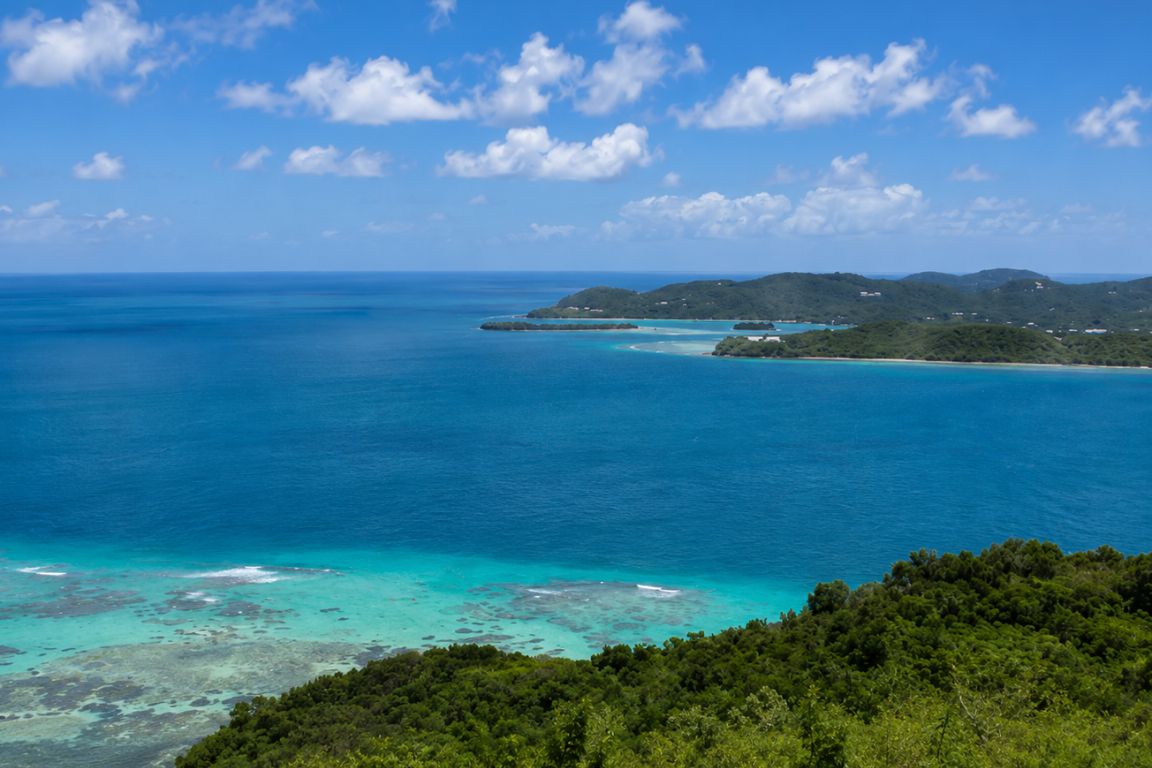
Water taxis are the fourth option that does not get enough attention. From the Dewey waterfront, water taxis run to Culebrita, Cayo Luis Peña, and several beaches not accessible by road. If your goal is to reach the outer cays or spots like the tidal pools on Culebrita, a water taxi is the only practical way in. Ask at the Dewey docks or arrange through your accommodation.
A golf cart is hands down the best way to get around Culebra and the right rental makes a big difference. Here’s a guide to the best golf cart rentals in Culebra tours so you book the right one before they sell out.
How Many Days Do You Need in Culebra?
 Two nights is the practical minimum. Three nights is better. A single day trip from San Juan is possible but you will spend most of it in transit and come home wondering why everyone talks about Culebra so much. The island’s best quality, its ability to slow you down, cannot be experienced in 6 hours between ferries.
Here is the math on a day trip. You catch the first ferry out of Ceiba, which means leaving San Juan by 5 AM or earlier. You arrive in Dewey, sort out a taxi or wait for public transport to Flamenco. You get to the beach around 10 or 11 AM. Your return ferry leaves by 4 PM to be safe, so you are packing up by 3. That is maybe four hours at the beach with no time for snorkeling, no time to explore Zoni, no dinner at Mamacita’s, no sunset from the hillside above Dewey. You have seen the water. You have not visited Culebra.
Two nights gives you a full beach day, a morning at a second beach or a snorkeling excursion to the Luis Peña Channel, and a relaxed evening in town. Three nights opens up the outer cays. A water taxi to Culebrita on day two, the tidal pools and the old lighthouse, then Zoni Beach on your final morning before catching an afternoon ferry back. That is the trip people describe when they say Culebra changed them.
From our 15,400 guided travelers, the ones who rated their experience highest almost universally stayed three or more nights. The ones who rated it lowest, almost without exception, tried to do it in a day or squeezed it into 18 hours between other Puerto Rico commitments.
Still not sure if one day is enough to make the trip worthwhile? This 1-day Culebra itinerary shows you exactly what’s possible and helps you decide if you should stay longer.
Where Should You Stay in Culebra?
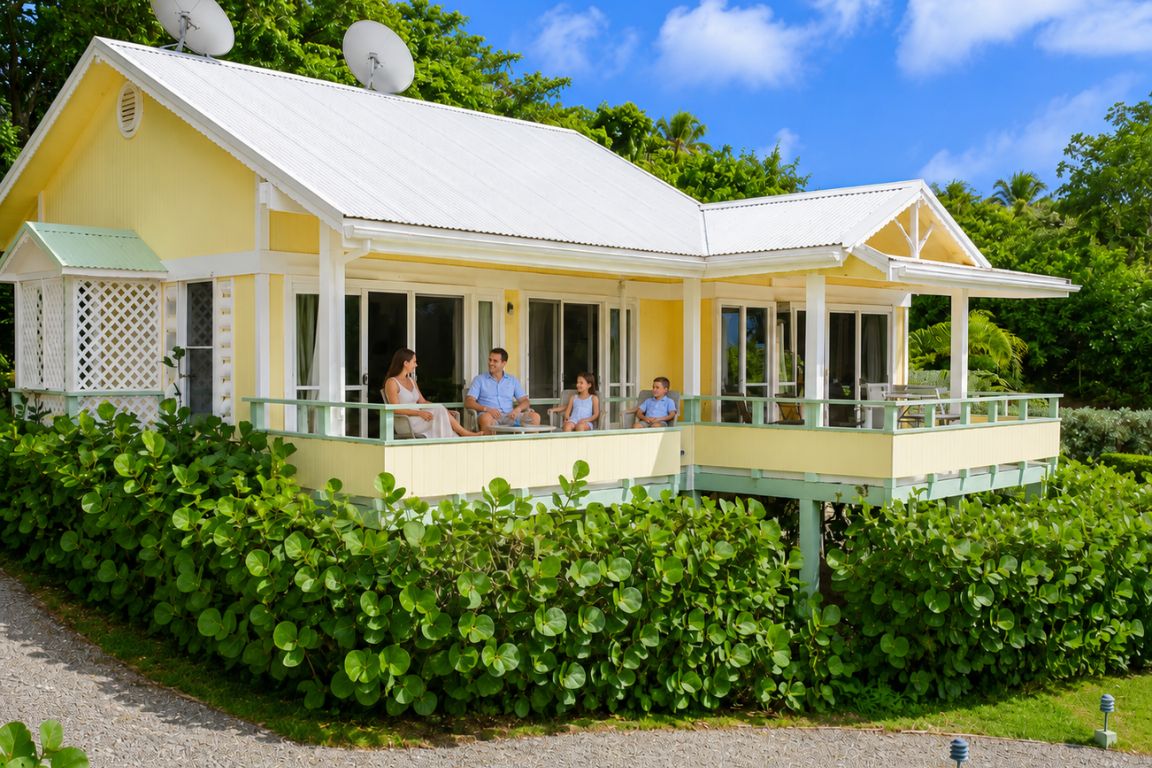 Dewey is the best base for first-time visitors: it is the only walkable area, closest to the ferry terminal, and has the island’s highest concentration of restaurants and guesthouses. The Flamenco area is better if you want to wake up near the water with fewer neighbors. Villas and private rentals outside town require a vehicle but offer seclusion that Dewey’s guesthouses cannot match.
Culebra has no chain hotels and no resorts. The accommodation inventory is guesthouses, small inns, private villas, and vacation rentals ranging from basic to genuinely lovely. Club Seabourne is the closest thing to a boutique hotel on the island, with a pool and a restaurant and a noticeably higher service level than everything else in the same price tier. For Dewey’s guesthouse scene, Mamacita’s is the most well-known name, with a waterfront bar that earns its reputation on a warm evening. Posada La Hamaca and El Navegante are solid midrange picks in the same neighborhood.
If you are traveling with a group or a family, a private villa outside of Dewey often makes more financial sense than four separate guesthouse rooms. The Flamenco area has a handful of villa rentals with views that are difficult to justify on paper until you are sitting on the deck watching the color of the water change at sunrise. These book out months ahead in peak season. Outside peak season, the same villas are often available a few weeks out at meaningfully lower rates.
The practical rule: if you are not renting a vehicle, stay in Dewey. If you are renting a Jeep or golf cart, the entire island opens up and staying away from town is worth considering for the privacy and the views.
| Dewey (Pueblo) | First-timers, no-car travelers, restaurant access | No | Casual, social, walkable |
| Flamenco area | Beach-focused travelers, couples, light sleepers (quieter) | Yes (or taxi) | Relaxed, close to nature |
| Playa Sardinas / hilltop villas | Groups, families, privacy seekers | Yes | Secluded, panoramic views |
| Near Zoni Beach | Repeat visitors, solitude seekers | Yes, 4WD recommended | Remote, quiet, off-the-grid feel |
What Should You Do First When You Arrive?
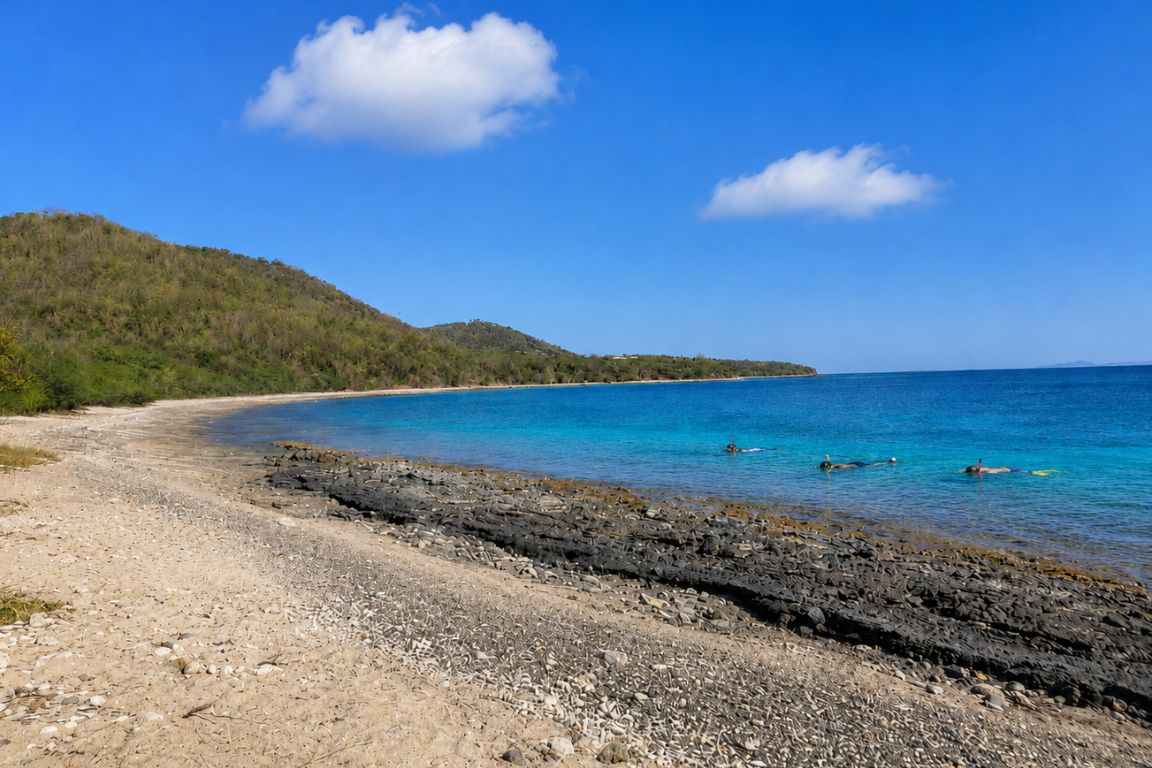 Secure your ground transportation before you leave the dock area, then get to your accommodation to drop bags, then head to whichever beach fits your first afternoon. Do not try to do too much on arrival day. The ferry or plane will have taken something out of you. The island rewards people who slow down immediately.
The Dewey dock is small. When the ferry unloads, it is briefly busy, with taxi drivers waiting and rental company reps sometimes meeting guests with reservations. If you have pre-booked a vehicle rental, confirm pickup logistics with the company ahead of arrival because some operate near the airport rather than the dock. If you have not pre-booked transportation and you are only going to Flamenco, the shared taxi from the dock runs $5 per person and gets you there in about 10 minutes. It is the right call for day trippers or anyone arriving without a rental reservation.
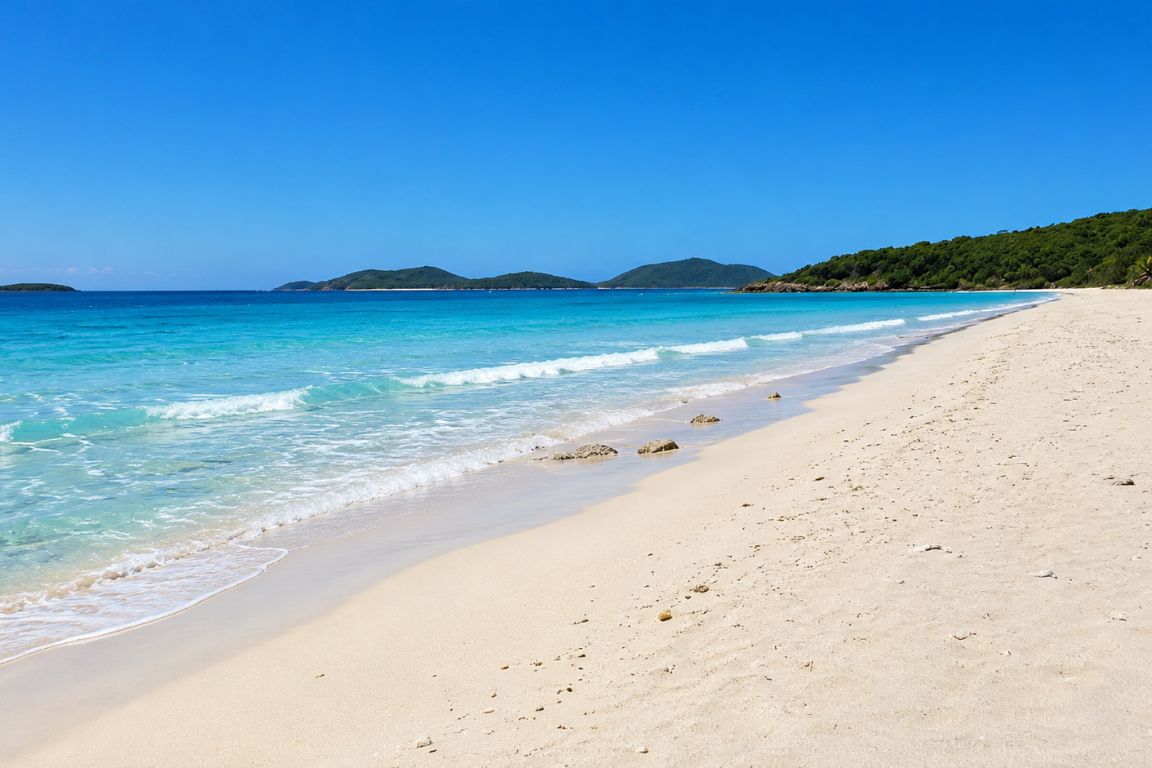
Your first afternoon belongs to Flamenco Beach if you have never been. Not because it is mandatory, but because it answers the question. You will walk down from the parking area and see the water and understand why people who come here once tend to come back. Arrive by noon and you will have the full afternoon. The far end of the beach, past where the umbrella rentals stop and the old tank wreck sits half-painted with graffiti art, is quieter and catches a different angle of light in the afternoon.
Dinner in Dewey, something cold from a kiosk or a full meal at one of the handful of restaurants along the canal, and an early night. Tomorrow is for Tamarindo, Carlos Rosario, or the water taxi to Culebrita. The people who try to fit everything into arrival day are the same people who are tired for the rest of the trip.
Trying to plan a beach day that actually lives up to the photos? Here’s a Flamenco Beach guide so you arrive prepared and leave with no regrets.
Is Culebra or Vieques Better for Your Trip?
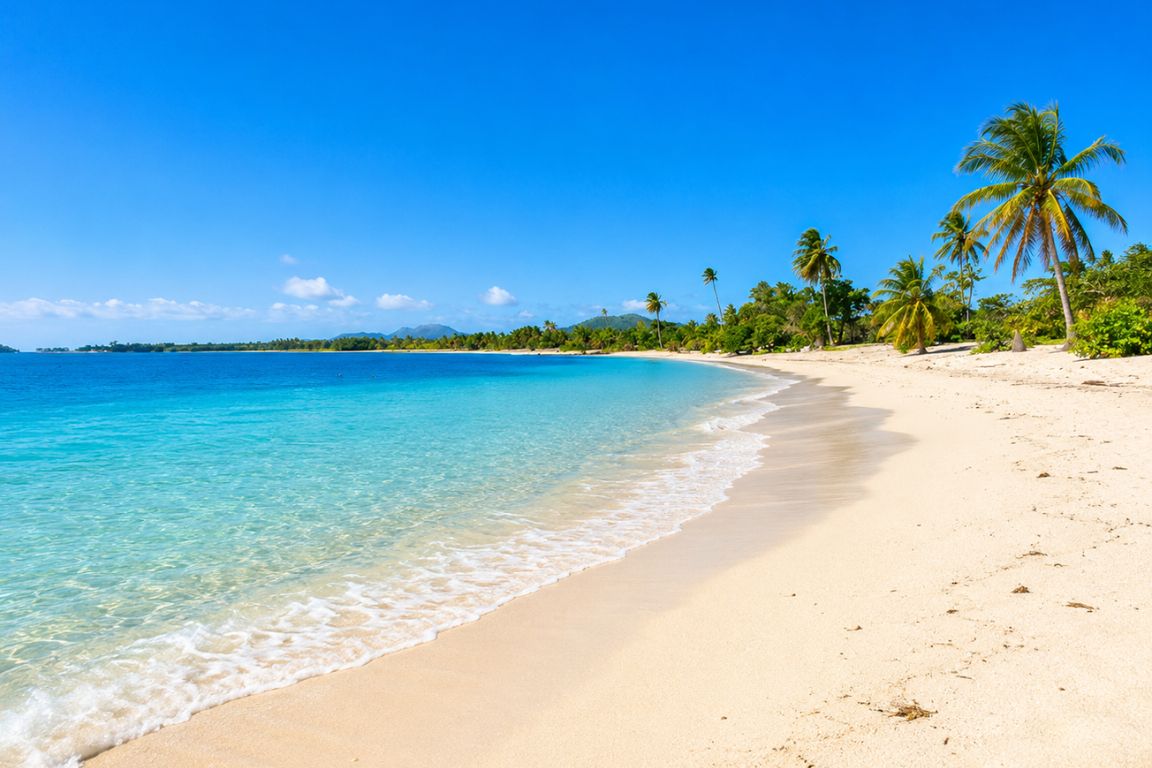 Culebra is better for beaches and snorkeling. Vieques is better for nightlife, more varied dining, and the world-famous bioluminescent bay at Mosquito Bay. Neither is objectively superior. The right island depends on what you actually want from the trip. Most travelers who visit both say they wish they had spent more time on whichever one they left first.
Culebra is smaller, less developed, and has significantly fewer amenities. Flamenco Beach consistently ranks among the world’s best, the reef snorkeling at Carlos Rosario and the Luis Peña Channel Natural Reserve is first-rate, and the island has a quieter pace that some travelers love and others find limiting after two days. There are a handful of restaurants in Dewey, none of them particularly fancy, and the nightlife ends early. If you are looking for more than beach and reef, Culebra eventually runs out of things to do.
Vieques is roughly twice the size, has more beaches to explore, a more established food scene across two neighborhoods (Isabel Segunda and La Esperanza), and Mosquito Bay, which Guinness recognized as the world’s brightest bioluminescent bay. The ferry from Ceiba to Vieques runs about an hour, compared to 1.5 hours to Culebra. Vieques also has more accommodation variety and a livelier social scene.
The snorkeling comparison tilts clearly toward Culebra. The Luis Peña Channel Natural Reserve, the first no-take marine reserve in Puerto Rico, produces consistently excellent visibility and marine life encounters. Culebra also wins on sheer beach quality per square mile. For underwater activities and pure beach days, it is the stronger choice.
One logistical note worth knowing: there is no longer a direct ferry between Vieques and Culebra. If you want to visit both, you have to return to Ceiba on the mainland and take a separate ferry to the second island. Factor that transit time into your planning before you try to combine both into a three-night itinerary.
Trying to decide which island to prioritize on a Puerto Rico trip with limited days? Here’s Culebra vs Vieques broken down so you stop going back and forth.
| Best beaches | Flamenco, Zoni, Tamarindo, Carlos Rosario | Sun Bay, Media Luna, Navio, Secret Beach |
| Snorkeling | Excellent. Luis Peña Channel Natural Reserve. | Good. Less concentrated than Culebra. |
| Bioluminescent bay | No | Yes. Mosquito Bay (world’s brightest). |
| Nightlife and dining | Limited. A handful of good spots in Dewey. | More developed. Two distinct social neighborhoods. |
| Crowd level | Lower overall. Can feel very quiet midweek. | Slightly busier. More tourist infrastructure. |
| Ferry from Ceiba | ~1 to 1.5 hours | ~1 hour |
| Best for | Beach lovers, snorkelers, people who want quiet and simplicity. | Travelers who want more variety, nightlife, and the bio bay experience. |
Is Culebra a Good Destination for Families with Kids?
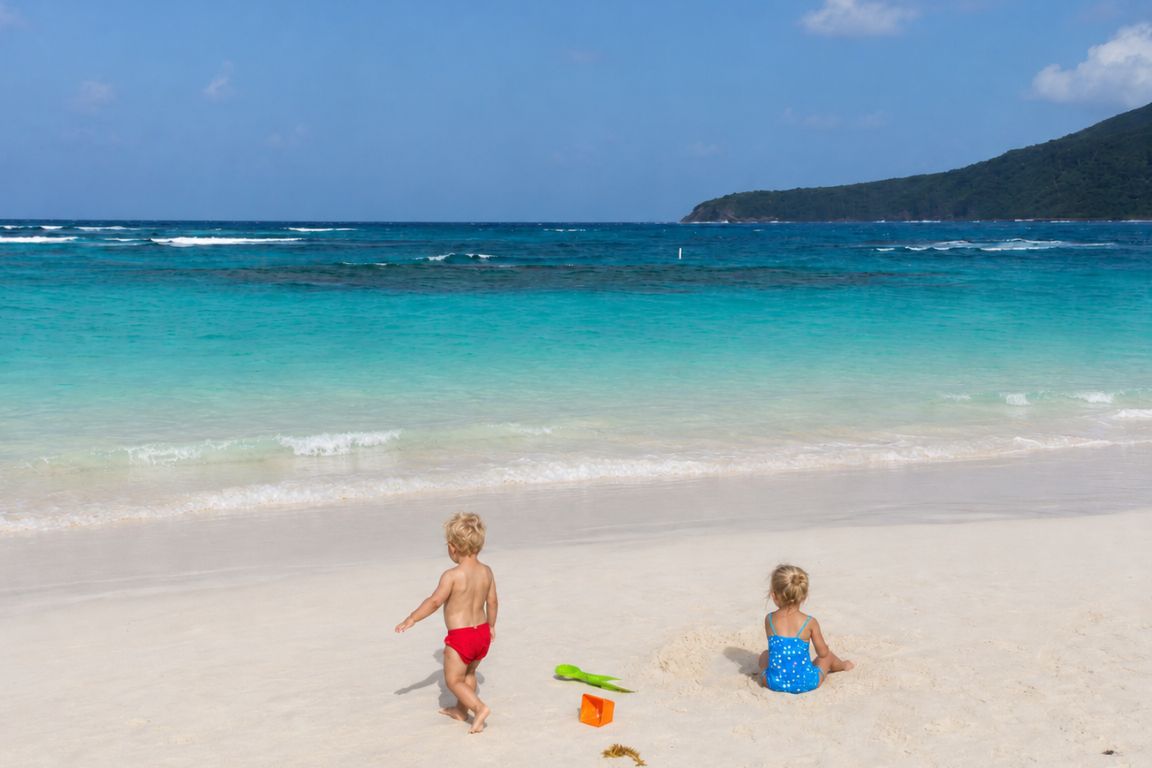 Yes, Culebra is excellent for families, with some caveats. Flamenco Beach has calm shallow water, lifeguards, bathrooms, showers, and food kiosks, which makes it one of the most practical beach setups for kids in Puerto Rico. The snorkeling at Tamarindo Beach, where sea turtles graze the sea grass in calm, easily accessible water, is the kind of experience that turns kids into ocean people. The logistics of getting there are the main challenge for families.
Flamenco Beach earns its Blue Flag certification for more than looks. The reef-protected crescent means the waves are gentle and the water stays shallow well offshore, which is exactly what you want when a seven-year-old is bodysurfing and a four-year-old is building something ambitious in the sand. The water is so clear that even kids who have never snorkeled before can put on a mask and immediately see fish. That first reaction is one we see every season and it never gets old.
Tamarindo Beach is the sea turtle beach. The animals are wild and unconfined, grazing the sea grass beds in water shallow enough that kids with basic snorkel skills can get close without a guide. The beach is calm and accessible by road, easy to visit as a half-day trip from Dewey in a golf cart. It pairs well with a morning at Flamenco: beach and sand in the morning, turtle snorkeling in the afternoon.
The logistics are where families need to plan carefully. The ferry crossing can be rough, particularly in winter, and a seasick toddler on a crowded boat is nobody’s idea of a good start. For family trips, we lean toward flying. The 25-minute flight is easy, the small planes are novel enough that kids find them exciting rather than scary, and you arrive relaxed instead of green. If the ferry is the budget choice, take the seasickness medication seriously for anyone under 12, and book morning departures when seas tend to be calmer.
Accommodation for families works best in a private villa or a larger rental outside Dewey, where you have a kitchen, space to spread out, and a yard or deck without the guesthouse shared-wall dynamic. The island’s small scale means the Jeep you rent to reach the villa will take you everywhere else you need to go anyway.
The one genuine limitation for families: Culebra’s food scene is limited, especially for picky eaters. The island has a handful of restaurants and a small grocery store. Stock up on snacks and a few basics before leaving the mainland, especially if you have children who will not happily eat fresh seafood three meals a day. This is not a criticism of the island. It is a practical note from someone who has watched the look on a parent’s face when the only restaurant in walking distance is closed on a Tuesday.
Not sure which beaches, tours, and activities are realistic with younger travelers in tow? This breakdown on Culebra tours with kids tells you what works, what to skip, and how to pace the days.
What Do Most First-Time Visitors Get Wrong?
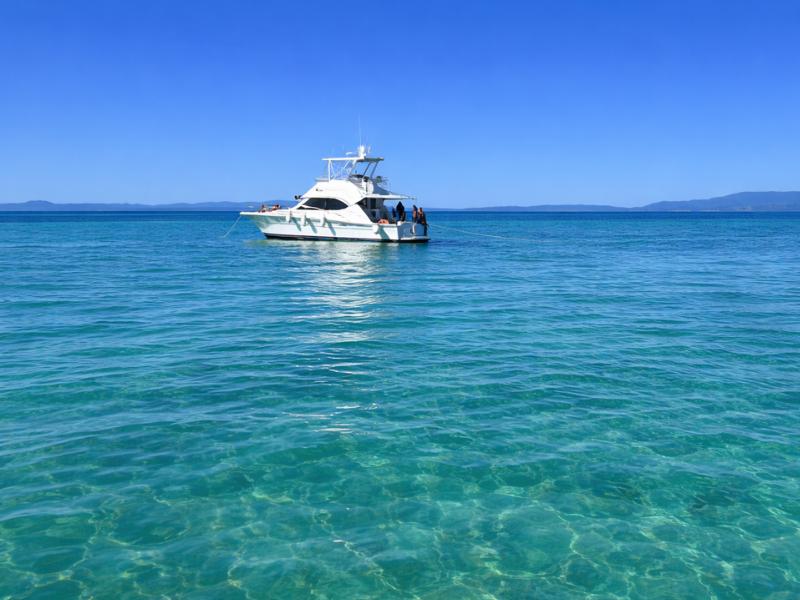
The biggest mistake is underestimating how much the ferry logistics define the trip. Book both directions the day tickets open, not just the outbound journey. The second most common mistake is treating Culebra like a resort island where you can improvise meals, transportation, and accommodation on arrival. You cannot. The island has one grocery store, a small fleet of rental vehicles, and a handful of restaurants. Plan ahead or accept the limitations cheerfully.
The Sunday afternoon return ferry is the single hardest ticket of the week, all year. Weekend visitors from the mainland all leave on Sunday. Day trippers who extended their stay leave on Sunday. Everyone who missed the Saturday ferry leaves on Sunday. We have seen people stranded in Dewey not because they could not get to the ferry terminal, but because every return sailing was booked solid and they had not purchased their return ticket when they bought the outbound one. Buy both legs at the same time. This is not optional advice.
The second mistake is the sunscreen. The Luis Peña Channel Natural Reserve and the waters around Culebra are protected marine habitat. Chemical sunscreens containing oxybenzone and octinoxate are damaging to coral reefs. Reef-safe mineral sunscreen, with zinc oxide or titanium dioxide as the active ingredients, is what you bring to Culebra. Not as a preference. As respect for the thing you came to see. Bring it from the mainland; the island’s small store has limited supply and the selection is inconsistent.
The third is cash. Culebra has one ATM, at the Banco Popular in Dewey, and it runs out. Kiosks at Flamenco, taxi drivers, smaller food spots in town, and most incidental purchases are cash-only. Withdraw before you leave San Juan or Fajardo. $200 in small bills for a two-night trip is not excessive.
The fourth mistake is booking a single day and calling it a visit. We covered this already, but it bears repeating. Two nights minimum. Three if you can manage it. The people who say Culebra did not live up to the hype spent less than 24 hours there almost every time.
What Our Travelers Tell Us: Common Trip Planning Mistakes by Booking Pattern
Across 15,400+ travelers we have guided through Culebra since 2014, certain planning patterns correlate strongly with trip satisfaction. The data is consistent and worth sharing plainly.
| Booked ferry both ways in advance, 3+ nights, rented vehicle | 41% | 9.5 | Wanted more time on the island |
| Booked ferry in advance, 2 nights, rented vehicle | 28% | 9.1 | Wished they had one more day |
| Flew in, 2-3 nights, rented vehicle | 14% | 9.3 | Higher cost than expected overall |
| Day trip (ferry both ways, no overnight) | 11% | 7.4 | “Not enough time to see everything” |
| Ferry booked outbound only, return left to chance | 6% | 6.8 | Stranded or missed departure, extended hotel costs |
What Should You Pack and Plan Before You Leave the Mainland?
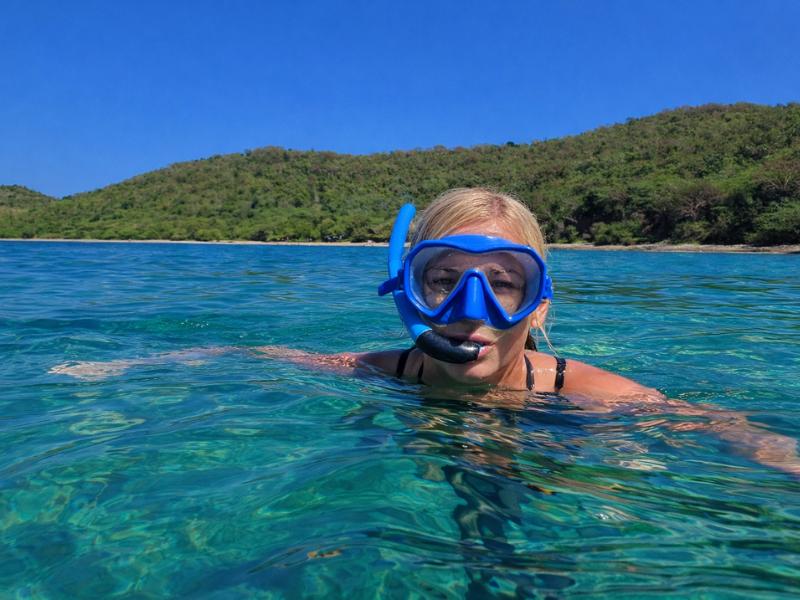
Pack light, bring cash, and bring your own reef-safe sunscreen. The island’s one small grocery store stocks basics but runs low on popular items, especially in peak season. Anything you forget in San Juan is either unavailable on Culebra or significantly more expensive. The list below reflects what 12 years of guiding travelers through the island has taught us actually matters.
Reef-safe mineral sunscreen is the non-negotiable. Not the vague “reef-friendly” marketing label some brands use. Actual mineral sunscreen with zinc oxide or titanium dioxide as the active ingredients. Bring enough for the whole trip; do not count on finding it on the island.
Cash in small bills. One ATM in town, it runs out, and a significant portion of the island’s economy still runs on cash. $200 per person for a two-night trip covers taxis, kiosk meals, tips, and incidentals without stress.
Snorkel gear is worth bringing if you own it. Rentals are available near Flamenco Beach and from a few operators in Dewey, but having your own mask means you are not adjusting someone else’s seal when you are trying to watch a sea turtle at Tamarindo. Bring fins if you have them.
Water shoes for the reefier entry points. Carlos Rosario’s trail ends on rocky ground. Tamarindo’s water entry is over sea grass and uneven bottom. The swim fins help with this, but water shoes on the walk in save your feet.
A dry bag for your phone and valuables at the beach. Culebra’s beaches do not have lockers. A $15 dry bag protects everything while you are in the water and is one of those things that seems unnecessary until the afternoon when someone on the ferry tells you about the wave that got their camera.
Dramamine or your preferred motion sickness medication if you are taking the ferry. Take it one hour before boarding. This is worth repeating specifically because people always think they will be fine and sometimes they are correct and sometimes they are not and there is no graceful way to be seasick in a small enclosed boat.
A light layer for the ferry ride back. Evening crossings from Culebra to Ceiba can be surprisingly cool once the sun drops, especially in the air-conditioned lower deck. Anyone who has sat in a wet swimsuit in recycled air for 90 minutes on a January evening will understand why this made the list.
Trying to plan a Culebra trip without piecing together information from a dozen different sources? Here’s a Culebra travel guide that covers it all in one place.
Frequently Asked Questions
Do I need a passport to visit Culebra?
No. Culebra is part of Puerto Rico, which is a US territory. US citizens need only a government-issued photo ID, the same as any domestic US travel. Non-US citizens follow standard US entry requirements and need a valid passport and any required visa or ESTA.
Can I bring my rental car to Culebra?
No. Vehicle spots on the cargo ferry are reserved for Culebra residents only. Puerto Rico rental car companies also prohibit their vehicles from being taken on the ferry. Leave your mainland rental at the Ceiba terminal parking lot ($5 per day) and rent a Jeep or golf cart on the island.
How do I get from the Culebra ferry dock to Flamenco Beach?
Taxis meet most ferry arrivals at the Dewey dock and run $5 per person to Flamenco Beach. If you have a rental vehicle reserved, your company may meet you at the dock or be located near the airport a short walk away. The walk from the dock to Flamenco is not practical with beach gear.
Is there an ATM on Culebra?
Yes, one. Banco Popular in Dewey. It has a limited cash supply and runs out during peak weekends and holidays. Withdraw cash before leaving the Puerto Rico mainland, ideally in San Juan or Fajardo before you get to Ceiba.
How do I book a ferry ticket to Culebra?
Through the official Puerto Rico Ferry website (puertoricoferry.com) or the City Experiences app. Tickets release 30 to 90 days before travel dates. For peak season weekends and holidays, check the window on the first day tickets become available. Both outbound and return legs should be booked at the same time.
Is Culebra safe?
Yes. Culebra is generally considered very safe by Caribbean island standards. Petty theft on crowded beaches can happen, so do not leave valuables unattended while swimming. The water at Flamenco Beach has a lifeguard during daytime hours. Use standard ocean sense at beaches without lifeguards, particularly at surf-exposed spots like Playa Brava.
Planning your Culebra trip?
Written by Camila Elena Ramirez
Puerto Rican tour guide since 2014 · Founder, Culebra Tours
Camila has guided over 15,400 travelers through Culebra and the Spanish Virgin Islands since founding the agency.