Culebra vs Vieques: Which island should you choose?
Culebra is the better choice for world-class beaches and snorkeling, while Vieques stands out for its bioluminescent bay, diverse landscapes, and broader range of activities.
Culebra’s daytime beach-and-snorkel trip and Vieques’ nighttime biobay paddle are different bookings. Choose the island experience before arranging your crossing. Explore Culebra Snorkel with Turtles & Flamenco Beach Adventure by Ferry
Choose Culebra if your trip is about beaches and snorkeling. Flamenco Beach is genuinely one of the best in the world, and the reef system at Carlos Rosario and Tamarindo is exceptional. Choose Vieques if the bioluminescent bay at Mosquito Bay is on your list, or if you want more varied beaches, more dining options, and a slightly bigger island to explore. Both are worth an overnight stay. Neither disappoints travelers who go in with realistic expectations.
Booking Choice: Ceiba ferry terminal; return to Ceiba. Check Dates For Tamarindo And Flamenco By Ferry
Culebra vs Vieques: Side-by-Side Comparison
| Size | ~7 square miles | ~51 square miles (5x larger) |
| Population | ~2,000 | ~8,000 |
| Best beach | Flamenco Beach (world-ranked) | Sun Bay, La Chiva (Blue Beach), Playa Caracas |
| Number of beaches | ~10 accessible beaches | ~40 beaches |
| Snorkeling | Excellent. Luis Peña Channel Natural Reserve. | Good. Less concentrated than Culebra. |
| Bioluminescent bay | No | Yes. Mosquito Bay (world’s brightest). |
| Main town(s) | Dewey (one small town) | Isabel Segunda and Esperanza (two towns) |
| Dining and nightlife | Limited. A handful of good spots. | More developed. Better variety. |
| Wild horses | No | Yes. Paso Fino horses roam freely. |
| Ferry from Ceiba | ~1 hour | ~45 minutes |
| Minimum recommended stay | 2 nights | 2 nights (3 to see bio bay and beaches) |
| Best for | Beach purists, snorkelers, minimalists | Adventure seekers, bio bay, varied exploration |
Data verified July 2026.
What Is the Core Difference Between Culebra and Vieques?
 Culebra is a small, stripped-down island built around beach and reef. It has one town, roughly ten accessible beaches, and almost no tourist infrastructure beyond what you need for a few perfect days in the water. Vieques is five times larger, has two towns, forty beaches, wild horses, the world’s brightest bioluminescent bay, and a broader range of things to do beyond the beach. Culebra is for travelers who want one thing done perfectly. Vieques is for travelers who want more variety from the same ferry ticket.
Both islands sit off Puerto Rico’s east coast and are reached from the same Ceiba Ferry Terminal. Both have protected national wildlife refuges that cover the majority of their land, which is why neither looks like a typical Caribbean resort island. Both reward travelers who slow down and stay longer than a day trip allows.
Where they diverge is personality. Culebra is quieter, smaller, and harder to get bored in if beach and reef are your priorities. It is genuinely easy to run out of things to do on day three if you are not a water person. Vieques carries more variety, more history, and one attraction, Mosquito Bay, that is in a category entirely its own. The wild Paso Fino horses that wander the beaches and streets of Vieques also give the island a wildness that Culebra does not have.
There is no direct ferry between the two islands. If you want to visit both, you return to Ceiba on the Puerto Rico mainland and take a separate ferry. Factor this into your itinerary before you try to combine both into a long weekend.
Culebra is small, remote, and worth every bit of effort to get there. Here’s a guide on how to visit Culebra tours so you show up prepared and don’t waste your first day figuring out the basics.
Which Island Has Better Beaches?
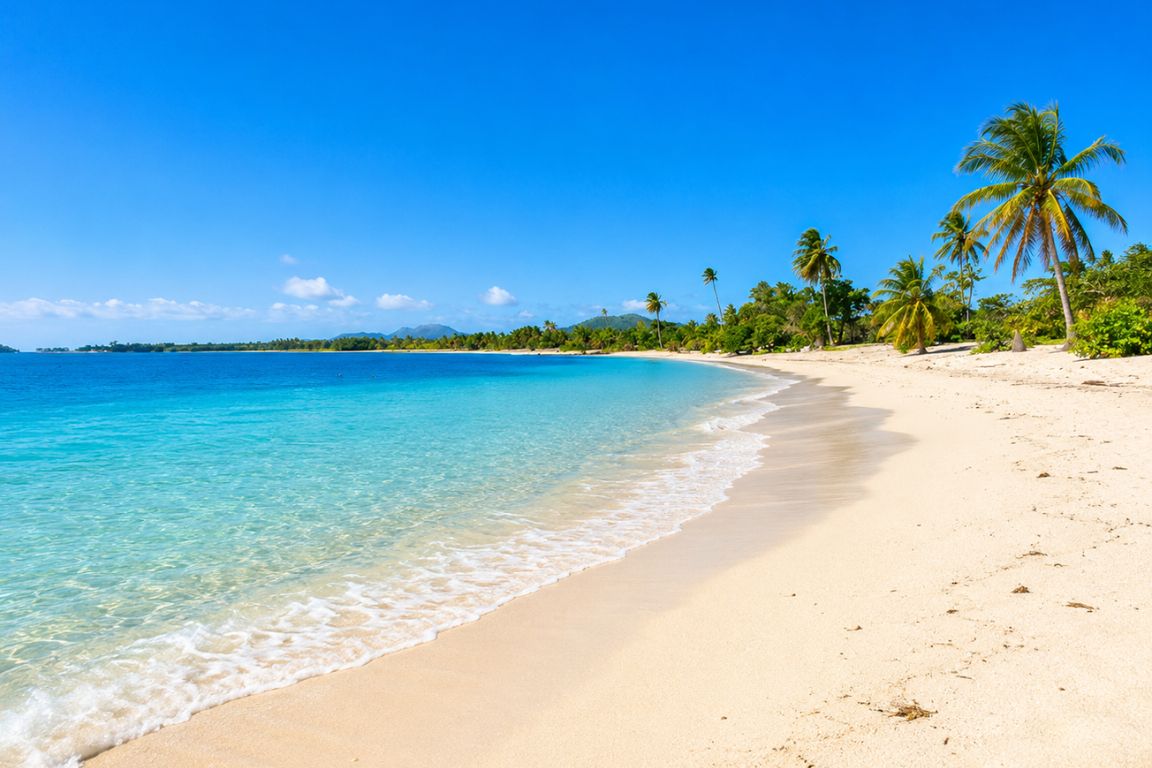 Culebra wins on quality. Flamenco Beach is among the most consistently ranked beaches in the world, with soft white sand, reef-protected calm water, and a Blue Flag certification that reflects real standards. Vieques wins on quantity and variety, with roughly 40 beaches ranging from calm swimming coves to black sand shores to surf-exposed wild stretches. If you want the single best beach day of your Caribbean trip, go to Culebra. If you want to spend three days discovering a different beach each morning, Vieques gives you more to work with.
Flamenco Beach’s reputation is not marketing. The horseshoe bay is naturally sheltered from ocean swell, the water clarity on most days is almost disorienting, and the sand is the genuine powdery white that every beach destination claims and few actually deliver. Walk to the far end past the old graffiti-covered M4 Sherman tank and the crowd thins to almost nothing. Carlos Rosario and Tamarindo, both accessible from Flamenco’s vicinity, round out a beach offering that is concentrated and exceptional.
Vieques counters with scale and drama. Sun Bay is the most accessible, a long crescent near Esperanza with calm water and a facility-backed setup. La Chiva, known as Blue Beach, is considered one of Vieques’ finest for its clarity and snorkeling access. Playa Negra, Puerto Rico’s only black sand beach, is something you simply cannot find anywhere on Culebra. And the 40-beach inventory means repeat visitors can spend multiple trips discovering new coves along the former US Navy lands now protected as the Vieques National Wildlife Refuge.
The honest summary: if a single world-class beach day is the trip, Culebra is the answer. If you want variety, exploration, and the discovery of a different deserted cove each afternoon, Vieques has more to offer.
Trying to build a beach itinerary that goes beyond just Flamenco? Here’s the best beaches in Culebra tours so you discover what the rest of the coastline has to offer.
Which Island Is Better for Snorkeling and Diving?
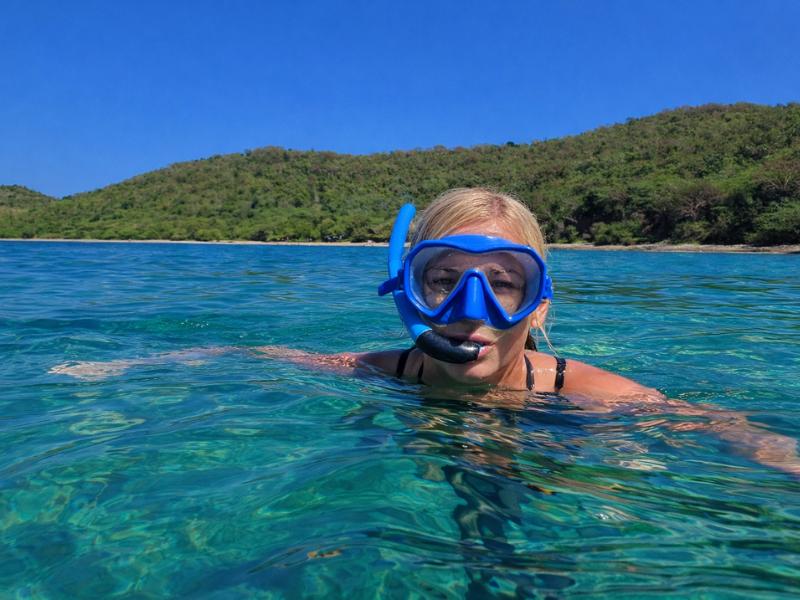
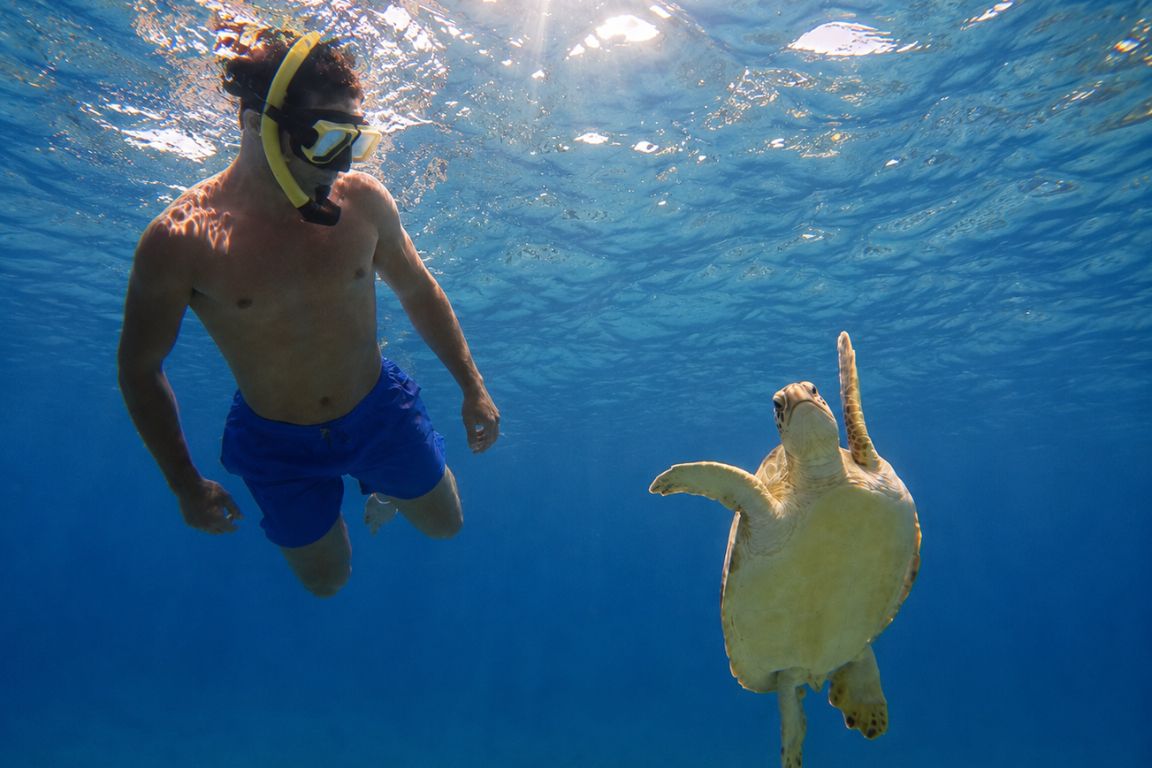 Culebra is the stronger choice for snorkeling and diving. The Luis Peña Channel Natural Reserve, Puerto Rico’s first no-take marine reserve, protects some of the healthiest coral reef systems in the Caribbean. Carlos Rosario offers reef snorkeling at 15 to 25 feet with exceptional diversity. Tamarindo Beach is the sea turtle spot, accessible directly from shore in shallow, calm water. Vieques has good snorkeling at several beaches, but no equivalent protected reserve concentration and generally lower visibility.
The marine reserve designation matters. In a no-take reserve, nothing is removed from the water: no fishing, no anchoring on coral, no specimen collection. The result over decades is reef health that shows. When you snorkel at Carlos Rosario, the coral diversity is immediately apparent to anyone who has snorkeled in more degraded Caribbean environments. The fish are larger, more numerous, and less shy. The visibility on a calm day pushes 60 to 80 feet.
Vieques has respectable snorkeling at La Chiva, Punta Arenas, and Mosquito Pier, and does not require a tour or boat to access decent reef sites. But the concentration of high-quality spots is lower than Culebra’s, and the average visibility is not at the same level. Experienced divers rate Culebra’s reef sites consistently above what Vieques offers. For families with kids doing their first snorkeling experience, the shallow, calm, turtle-accessible water at Tamarindo has no equivalent on Vieques.
If the trip revolves around reef snorkeling or scuba diving, Culebra is the right island. If snorkeling is one item on a longer list of activities, Vieques handles it adequately while offering more surrounding the water.
The underwater visibility here is some of the best in the Caribbean and the right tour makes all the difference. Here’s a guide to the best snorkeling tours in Culebra so you get in the water at the right spots.
Which Island Is Easier to Get To?
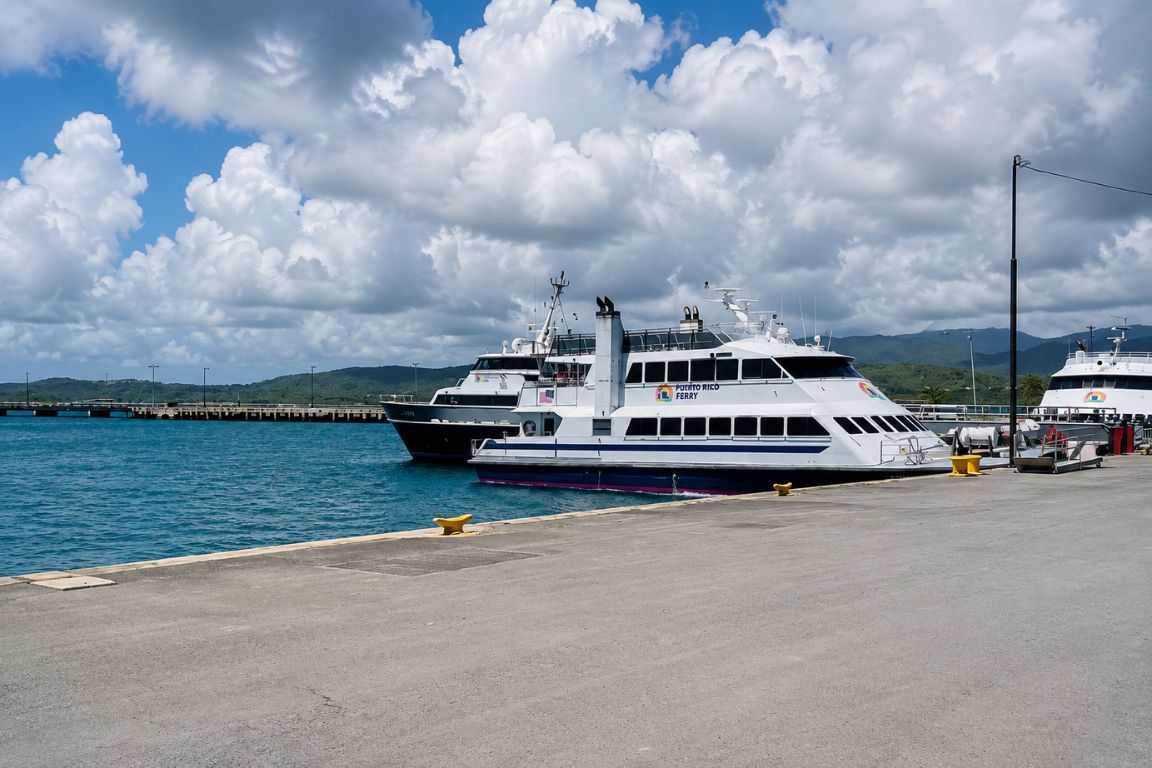
 Vieques is marginally easier. The ferry from Ceiba runs about 45 minutes to Vieques versus one hour to Culebra, and the shorter crossing means less exposure to choppy water. Both islands use the same Ceiba Ferry Terminal, both have small airports served by the same regional airlines, and both require booking tickets 30 to 90 days out during peak season. The practical difference for most travelers is small. Neither island is difficult to reach if you plan ahead.
From the Ceiba Ferry Terminal, the Vieques ferry takes roughly 45 minutes and arrives in Isabel Segunda. The Culebra ferry runs about an hour and arrives in Dewey. The extra 15 minutes on the water matters when seas are rough, as the winter Atlantic swell builds more noticeably on longer crossings. Travelers prone to seasickness will feel the difference.
By air, both islands are served from San Juan’s Isla Grande Airport and the Ceiba Airport. Flight time to Vieques from Isla Grande is about 25 minutes. Culebra is 30 to 35 minutes. The fare difference is minimal. Cape Air, Air Flamenco, and Vieques Air Link serve both.
One logistics point that catches travelers: there is no longer a ferry between Culebra and Vieques. Island hopping requires returning to Ceiba. For a trip combining both islands, budget a half day for the transit between them and plan accordingly rather than discovering the gap mid-trip.
Not sure whether the time saved on a flight is worth the extra cost over the ferry? This breakdown of flight vs ferry to Culebra runs through the real tradeoffs so you can decide.
| Ferry from Ceiba (duration) | ~1 hour | ~45 minutes |
| Ferry fare (adult non-resident, one-way) | ~$4.25 (incl. env. fee) | ~$2.00 |
| Flight from San Juan Isla Grande | ~30-35 min, from ~$89 | ~25 min, from ~$89 |
| Ferry between islands | No direct service. Must return to Ceiba. |
Prices verified July 2026.
Which Island Has Better Food and Nightlife?
Vieques wins this category without much contest. The island has two functioning town centers, Isabel Segunda and Esperanza, with a noticeably broader restaurant and bar selection than Culebra’s single town of Dewey. Esperanza’s waterfront malecón has a string of restaurants and bars that stay lively into the evening. Culebra has Dinghy Dock, Mamacita’s, Susie’s, and a handful of other quality spots, but the town goes quiet by 10 PM most nights.
This does not mean Culebra’s food is bad. Dinghy Dock’s fresh seafood and waterfront setting, Susie’s creative kitchen that changes with the catch, and Zaco’s Tacos are genuine quality. The kiosk scene at Flamenco Beach for lunch is exactly what a beach kiosk should be. But the total inventory is small, hours are island hours (meaning sometimes the best restaurant simply does not open on a Tuesday), and travelers who value dinner as an event rather than a refueling stop will find Dewey limiting by day three.
Vieques offers more options, a livelier evening atmosphere at the Esperanza waterfront, and enough variety to avoid restaurant repetition on a multi-night stay. The island also hosts occasional live music and a loose but genuine arts scene that Culebra does not have. If dining and evening culture matter as much as daytime beach time, Vieques is the better choice.
Keep this meal stop flexible. No matching affiliate dining experience at these island restaurants was verified.
Which Island Is Better for Families?
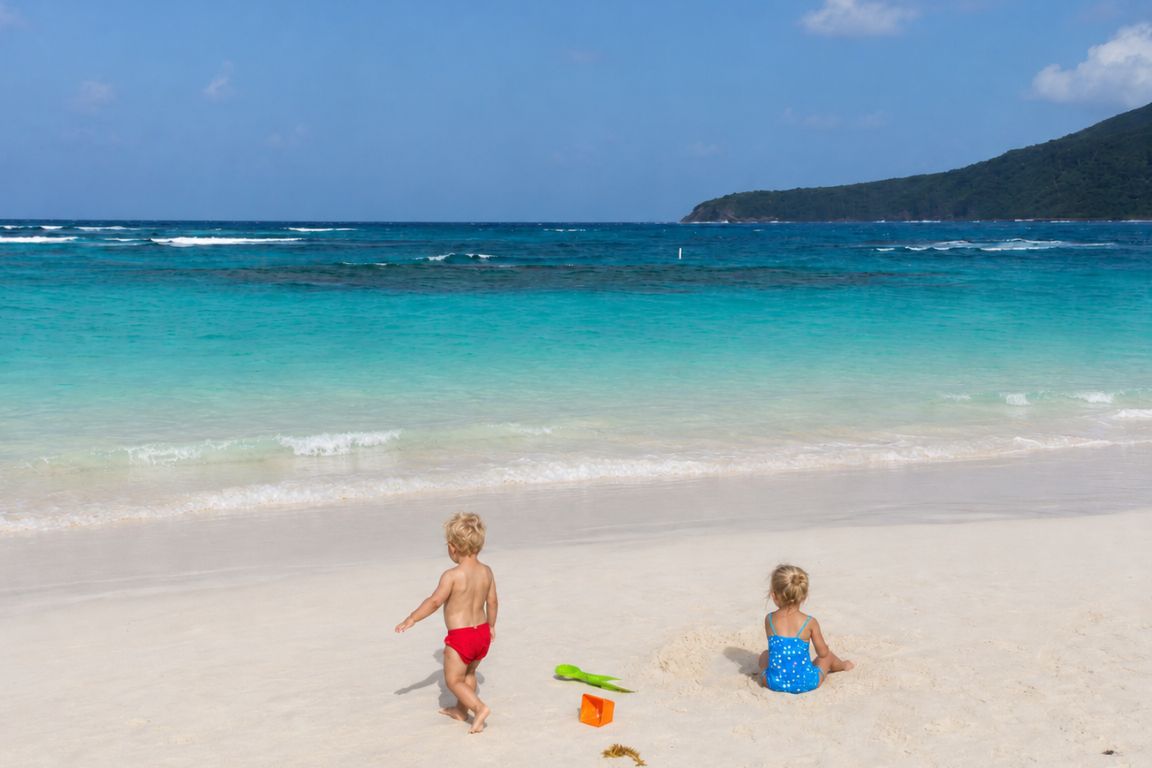 Both islands work well for families, but Culebra has a specific advantage: Flamenco Beach. The reef-protected bay, lifeguards on duty during daytime hours, shallow calm water, bathrooms and showers, food kiosks, and chair rentals make it one of the most practical family beach setups in the Caribbean. Tamarindo Beach‘s sea turtle snorkeling in shallow water turns any kid who has ever used a snorkel mask into a marine biologist for an afternoon. Vieques is better for families who want more activities beyond the beach, including the bioluminescent bay and horseback riding.
For younger children, Flamenco’s infrastructure matters. A beach without bathrooms, shade, or food access becomes a complicated logistics exercise with small kids. Flamenco has all of it within the beach area itself. The water is calm enough for toddlers in the shallow end, and the reef off the left end of the horseshoe is close enough to shore that children with basic snorkel skills can reach it without a guide or a boat.
Vieques suits families with older children who want more variety. The Mosquito Bay bio bay tour is one of the genuinely magical family experiences in the Caribbean, watching children react to bioluminescent water glowing around their paddle strokes is something they talk about for years. The wild horses roaming the beach at Esperanza are the other Vieques experience that children respond to in a way no beach can replicate.
For families with a mix of ages or a multi-generational group, the two islands actually complement each other rather than compete: Culebra for the beach day, Vieques for the bio bay night.
The calm water and shallow beaches make Culebra genuinely great for families but the getting there part needs a plan. Here’s Culebra tours with kids so you handle the logistics before you go.
How Our Travelers Choose: Culebra vs Vieques Booking Patterns
After more than a decade guiding travelers through both islands, we track which destination travelers choose and what drives the decision. The patterns are consistent.
| Beach-focused, snorkeling priority | 89% | 11% | Flamenco + Luis Peña Channel reef |
| Bioluminescent bay on itinerary | 4% | 96% | Mosquito Bay (no equivalent in Culebra) |
| Families with young children | 74% | 26% | Flamenco infrastructure, turtle snorkeling |
| Couples seeking nightlife and dining | 31% | 69% | Esperanza malecón, more restaurant variety |
| First-time Puerto Rico visitors | 67% | 33% | Flamenco reputation, easier day trip option |
Which Island Should You Actually Choose?
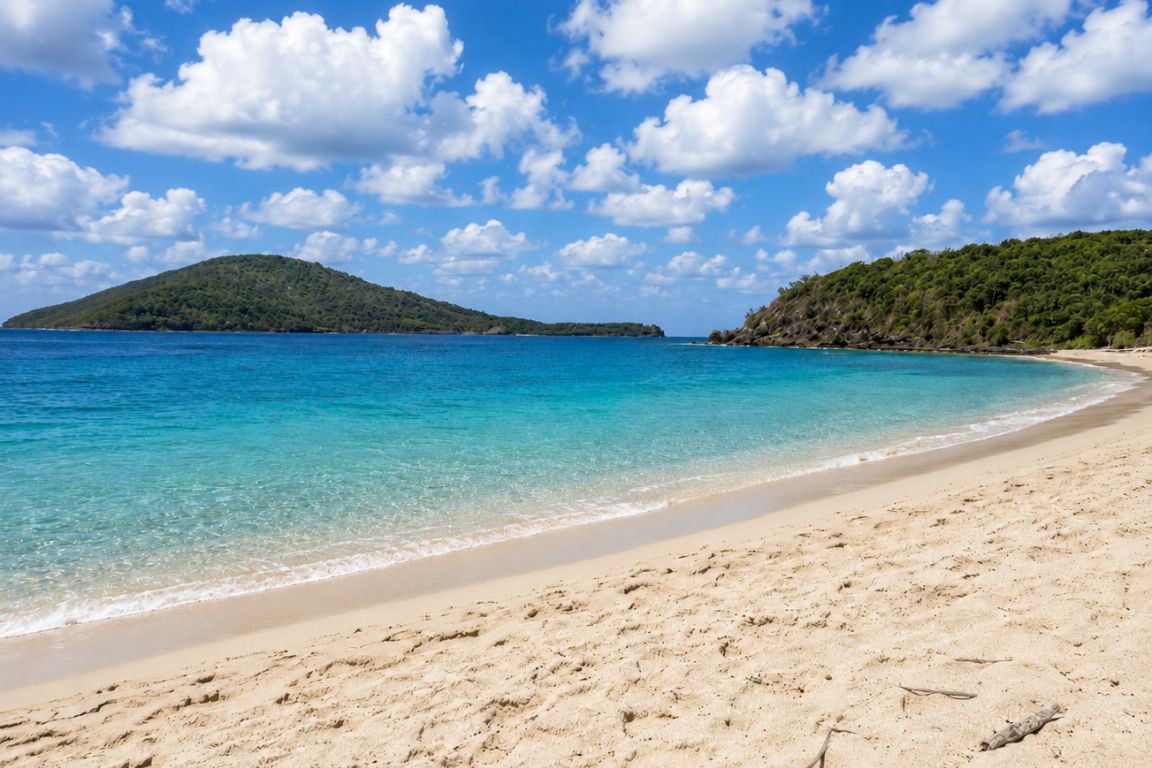 Choose Culebra if: beach quality and reef snorkeling are your priorities, you want the most concentrated natural beauty in the smallest package, or you are visiting Puerto Rico primarily to spend time in the water. Choose Vieques if: the bioluminescent bay is on your bucket list, you want more beaches and activities spread over a larger island, or you value having better dining and evening options. If time permits, the two islands are best experienced together rather than as competitors.
The travelers who struggle most with this decision are the ones treating it as a permanent choice. It is not. Most people who visit one come back for the other within a few trips. They are different enough that seeing one does not substitute for the other.
That said, if you genuinely only have time for one and you are visiting Puerto Rico primarily for its natural beauty, Culebra is the stronger answer. Flamenco Beach is one of those places that earns its reputation in person rather than losing it. The reef snorkeling at Carlos Rosario on a calm morning is some of the best accessible reef diving in the Caribbean without a boat. The island’s small scale means you see most of what it offers in two nights without feeling rushed.
Vieques earns its preference when the bio bay is the anchor experience. Mosquito Bay at new moon, paddling a clear-bottom kayak through water that glows neon blue around every stroke, is a Guinness World Record holder for a reason. No photograph reproduces it accurately. No description prepares you for it. If that is what you came for, Culebra has nothing that competes with it.
The ideal trip: two nights in Culebra for the beach and reef, two nights in Vieques for the bio bay and exploration. That is four nights of genuinely different, genuinely excellent island experiences, all within easy reach of San Juan.
The reef access varies a lot from beach to beach here. Here’s the best snorkeling beaches in Culebra tours so you pick the one that actually delivers when you put your mask on.
Frequently Asked Questions
Is there a ferry from Culebra to Vieques?
No. There is no direct public ferry between Culebra and Vieques. To visit both, you must return to the Ceiba Ferry Terminal on the Puerto Rico mainland and take a separate ferry to the second island. Factor a half day of transit into any itinerary that includes both.
Which island is cheaper, Culebra or Vieques?
The costs are broadly similar. The Vieques ferry fare is slightly cheaper ($2.00 one-way vs $4.25 for Culebra including the environmental fee). Accommodation prices are comparable on both islands, though Vieques has more options across a wider range. Both islands require a rental vehicle for anything beyond the main beaches.
Can you see the bioluminescent bay from Culebra?
No. Mosquito Bay is on Vieques and requires an overnight stay to experience, since tours run after dark and there is no same-day return ferry from Vieques in time. Puerto Rico has two other bioluminescent bays, Laguna Grande in Fajardo and La Parguera in Lajas, neither of which requires an island trip.
Which island is better for a day trip?
Culebra is better as a day trip. Flamenco Beach is accessible, well-facilitated, and gives you a complete experience in five or six hours. Vieques is harder to justify as a day trip because its main attraction, Mosquito Bay, happens at night and requires an overnight stay.
Which island is safer?
Both islands are safe by Caribbean standards. Petty theft on crowded beaches is the main risk on either island. Culebra and Vieques are both considered among the safer destinations in the Puerto Rico archipelago. Normal precautions apply: do not leave valuables unattended on the beach while swimming.
Ready to plan your Culebra trip?
Written by Camila Elena Ramirez
Puerto Rican tour guide since 2014 · Founder, Culebra Tours
Camila has guided over 15,400 travelers through Culebra and the Spanish Virgin Islands since founding the agency.