Best Snorkeling Tours in Culebra
Culebra offers some of Puerto Rico’s best snorkeling, from free shore reefs with sea turtles to guided boat tours reaching remote coral gardens and crystal-clear waters.
Ferry tickets, island transport, guided Tamarindo shore snorkeling, gear, snacks and Flamenco entry. Lunch extra. Explore Culebra Snorkel with Turtles & Flamenco Beach Adventure by Ferry
Culebra has three snorkeling tiers: shore snorkeling you can do independently (Tamarindo for turtles, Flamenco’s eastern reef, Melones for coral), guided shore tours run by local operators like Kayaking Puerto Rico and Culebra Divers (~$50-$150 per person), and boat tours that reach sites only accessible by water like Carlos Rosario and Cayo Luis Peña (~$150-$195 per person). The guided tour is worth it for first-timers. The independent shore snorkel is worth it for experienced snorkelers who want maximum time in the water on their own terms.
Booking Choice: Ceiba ferry terminal; return to Ceiba. Check Dates For Tamarindo And Flamenco By Ferry
Culebra Snorkeling Tours: Quick Reference
| Shore snorkeling (independent) | Free (gear rental ~$10-$15/day) | Experienced snorkelers, self-directed travelers | Tamarindo, Flamenco eastern reef, Melones |
| Guided shore tour (local operators) | ~$50-$100 half-day | First-timers, families, turtle-focused | Tamarindo (Luis Peña Reserve), guided reef walks |
| Guided boat tour (on-island departure) | ~$150-$195 full day | Experienced snorkelers, reef-focused | Carlos Rosario, Cayo Luis Peña, Culebrita |
| Catamaran from Fajardo (mainland) | ~$168-$195 full day | Day trippers from mainland, all-inclusive | Carlos Rosario or Luis Peña Channel, Flamenco Beach |
| Private charter | From ~$1,500 per group | Groups wanting custom itinerary and exclusivity | Fully flexible: outer cays, Culebrita, custom reefs |
Prices verified July 2026. Tour availability and pricing subject to change. Confirm with operators before booking.
Is a Guided Snorkeling Tour Worth It in Culebra?
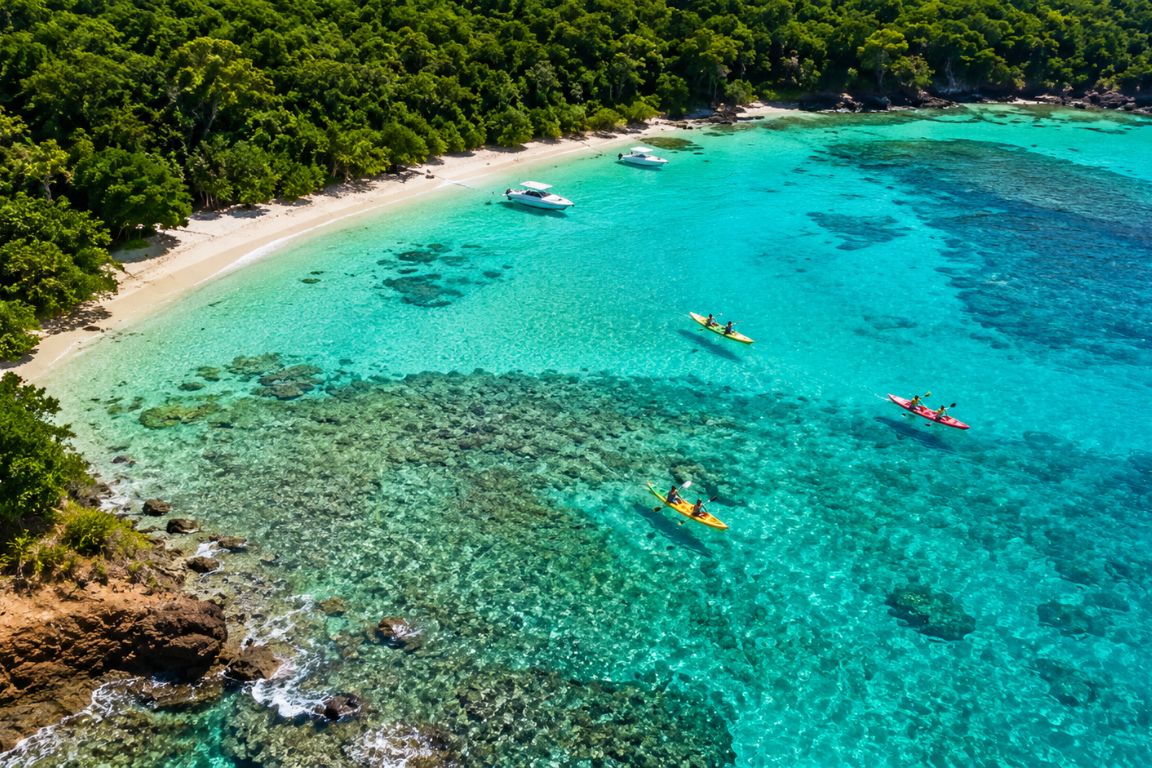 Yes for first-timers, people who want to maximize turtle encounters, and anyone unfamiliar with the reef layout. Culebra’s best snorkeling is genuinely accessible without a guide at several shore sites, so experienced snorkelers with their own gear and confidence in the water can skip the organized tour and do equally well independently. The tour adds value through local knowledge, safety supervision, equipment, and the ability to reach boat-access sites like Carlos Rosario and Cayo Luis Peña that are harder to reach from shore.
The case for going guided at Culebra is specific and honest. The Luis Peña Channel Natural Reserve, which protects the water around Tamarindo, Carlos Rosario, and Melones beaches, is the healthiest marine reserve in Puerto Rico. The guides who work this reserve every day know exactly where the turtles are on any given morning, which reef sections are active, and how to position a snorkeling group to encounter wildlife without disturbing it. A first-timer trying to find the sea grass beds at Tamarindo on their own will spend the first twenty minutes figuring out where to go. A guide gets you there in three.
The case for going independently is equally honest. Tamarindo Beach is roadside accessible, free to enter, and consistently delivers turtle encounters within 30 to 60 yards of shore without any navigation challenge. Flamenco Beach’s eastern reef, the Shark Cages channel, is visible from the beach and reachable by any swimmer. Melones Beach is five minutes from Dewey. None of these require a boat, a guide, or significant planning. Rent gear from Culebra Divers in town, bring water shoes, and go.
The question is really about what kind of day you want. A guided tour organizes everything and keeps you safe. An independent snorkel keeps you in the water longer on your own terms. Both are valid.
Not sure whether to stick to the famous beach or venture out to the quieter alternative? This breakdown of Flamenco Beach vs Tamarindo Beach tells you exactly what sets them apart.
What Are the Best Snorkeling Spots in Culebra?
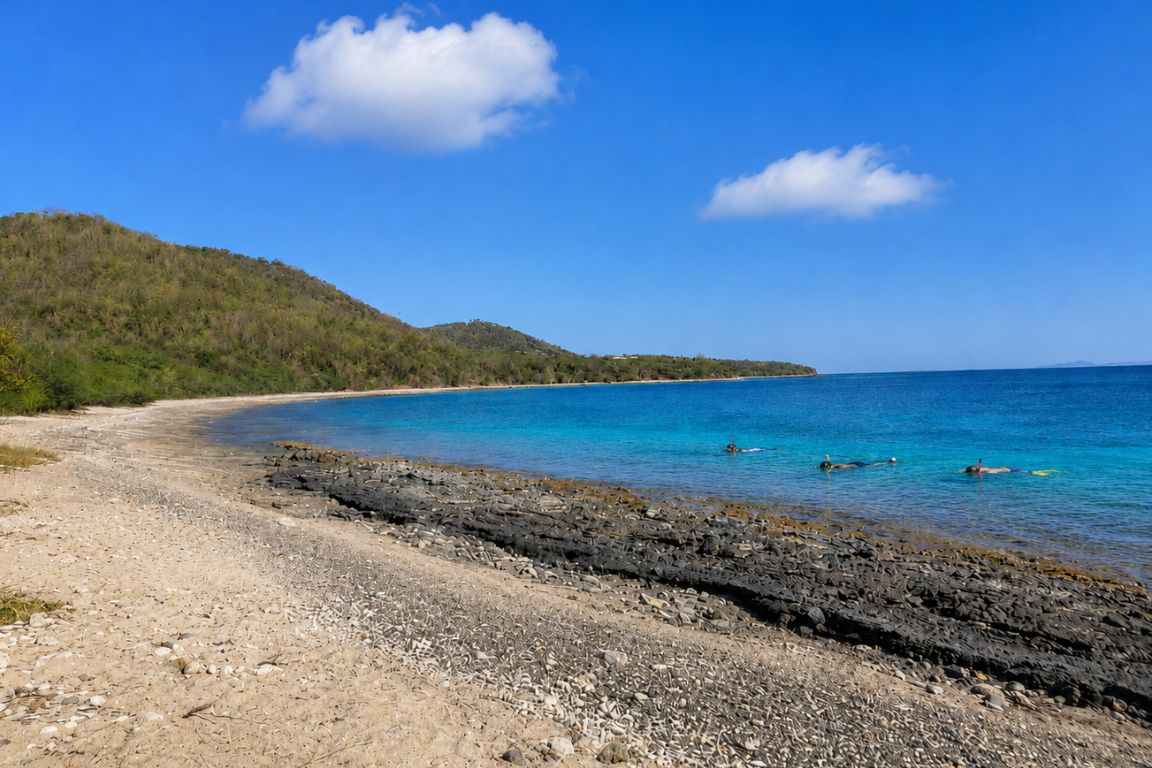 Culebra’s top snorkeling sites are Tamarindo Beach for sea turtles, Carlos Rosario Beach for reef diversity and depth, Melones Beach for easy shore access near Dewey, the Flamenco Beach eastern reef for beginners, and Culebrita for the outer cay experience that rivals boat-access sites elsewhere in the Caribbean. All except Culebrita and some Carlos Rosario access points are reachable from shore without a boat.
Tamarindo Beach is the turtle beach. Sea grass beds in the shallow protected cove draw green and hawksbill turtles throughout the day. Snorkeling 30 to 60 yards from shore puts you over the sea grass where turtles graze. Multiple animals on most visits. The reef structure is modest but the wildlife density is exceptional. Shore accessible. Requires water shoes. No facilities.
Carlos Rosario Beach is the reef beach. The Luis Peña Channel Natural Reserve protects this site, and the coral at 15 to 25 feet has the greatest diversity on the island: brain coral, sea fans, parrotfish, tangs, angelfish, moray eels, and stingrays. Shore accessible via a 20-minute trail from Flamenco’s parking lot, or by boat. No facilities. Bring everything including water.
Melones Beach sits five minutes from Dewey by golf cart and has excellent shore-entry snorkeling with immediate reef access. Swim right from the entry point toward the rocky outcrop for coral heads and fish. Good for those who want quality snorkeling without committing to a full hike or a remote beach.
Flamenco Beach eastern reef (Shark Cages) is the most beginner-accessible snorkeling on the island. Walk to the eastern end of Flamenco, enter from the sandy pocket before the rocks, and follow the reef channel. Good fish diversity in 5 to 15 feet. Facilities are steps away. Perfect as a first snorkel session before moving to a more dedicated site.
Culebrita requires a water taxi from Dewey (about 15 minutes), but the snorkeling around the uninhabited cay is some of the best in the archipelago. Manta rays, sea turtles, and dense reef structure in water that experienced divers rate as exceptional. A full Culebrita day, with the water taxi dropping you off and picking you up at end of day, is one of those Culebra experiences that people describe for years.
Trying to find a beach that delivers both above and below the waterline? Here’s the best snorkeling beaches in Culebra tours so you don’t waste a day at a beautiful beach with nothing interesting underneath.
| Tamarindo Beach | Sea turtles, sea grass, stingrays | 3-10 ft (sea grass zone) | Shore (road accessible) | Beginner-friendly |
| Carlos Rosario | Reef diversity, coral, fish density | 15-25 ft | Shore (20 min hike) or boat | Intermediate |
| Melones Beach | Easy coral access, convenience | 5-15 ft | Shore (5 min from Dewey) | Beginner-friendly |
| Flamenco (eastern reef) | First snorkel, fish variety | 5-15 ft | Shore (at beach) | Beginner |
| Culebrita | Remote reef, manta rays, turtles | 10-30 ft | Water taxi only | Intermediate-Advanced |
What Types of Snorkeling Tours Are Available?
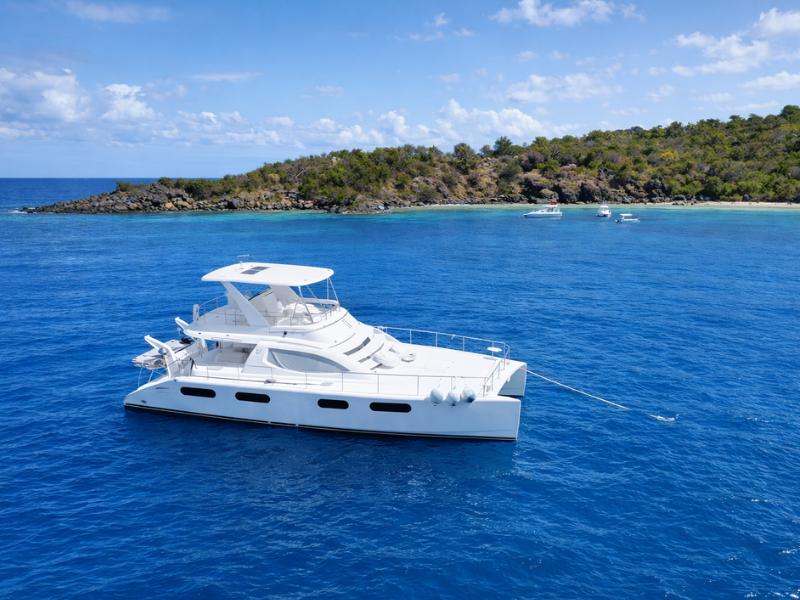
Culebra offers four distinct snorkeling tour formats: guided shore tours at the reserve beaches (best value for turtle encounters), half-day boat tours departing from Dewey (best for reef sites), full-day catamaran tours from Fajardo on the mainland (best all-inclusive option for day trippers), and private charters (best for groups wanting a custom itinerary). Each suits a different traveler and a different departure point.
Guided shore tours are the most popular format for visitors already on the island. Kayaking Puerto Rico and similar operators meet groups at Tamarindo Beach, provide full snorkeling gear, give instruction and reef briefings, and lead the session in the water. These tours run about 1.5 to 2.5 hours, cost around $50 to $100 per person for a half-day, and are designed for all experience levels including first-timers and families with children aged 6 and up. The Luis Peña Channel Natural Reserve setting means every guided session operates in protected water with some of the highest coral cover and marine life density in Puerto Rico.
Boat tours departing from Culebra are run by on-island operators including Culebra Divers, which runs small-group boat tours of six snorkelers maximum to Carlos Rosario and Cayo Luis Peña. These are the best option for reaching the deeper reef sites inaccessible from shore and for a more focused, less crowded underwater experience. Maximum six participants is a meaningful difference from catamaran tours carrying 40 to 60 passengers. Culebra Divers recommends boat tours only for swimmers who are comfortable in the water, since you enter from the boat directly into deeper water with no land access.
Catamaran tours from Fajardo depart from Puerto del Rey Marina and carry larger groups. East Island Excursions, one of the main operators, runs a 6.5-hour trip that includes a reef stop at Carlos Rosario or the Luis Peña Channel, lunch, open bar, and a second stop at Flamenco Beach. From $168 to $195 per person. These are the right format for day trippers who want a single organized package from the mainland that covers transportation, snorkeling, food, and the beach visit in one booking.
Private charters offer full flexibility: your group, your itinerary, your pace. A private boat for up to six people starts around $1,500 for a half-day or full day. For groups who want to spend more time at Carlos Rosario, add Culebrita, and move between sites on their own schedule without sharing water with 40 strangers, the per-person cost of a private charter is often comparable to a premium guided tour once you divide it across a group of four to six.
We’ve got a full breakdown on Culebra day trips from San Juan if you want to know exactly which ferry, flight, or guided tour gets you there fastest and what to do once you arrive.
What Is Included in a Typical Culebra Snorkeling Tour?
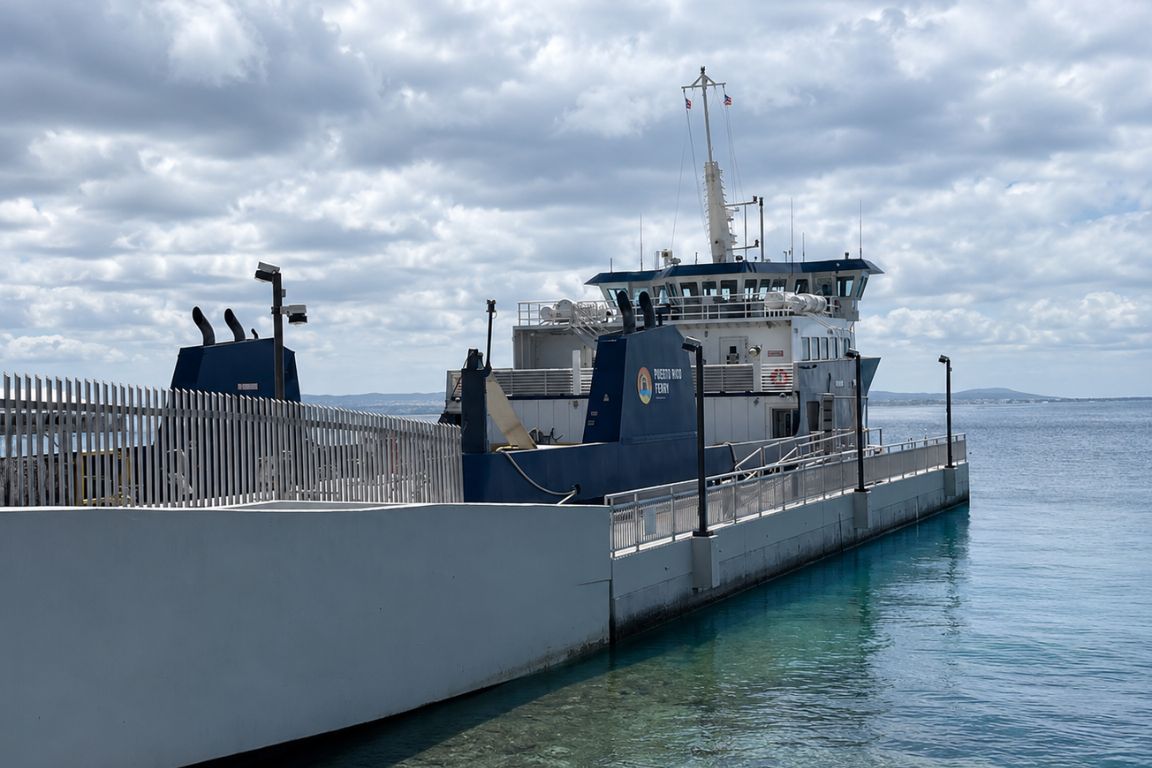 Most Culebra snorkeling tours include snorkeling gear (mask, fins, snorkel), a flotation device, a briefing before entering the water, guide supervision in the water, water and snacks, and transportation to the snorkel site. Full-day and catamaran tours add lunch and drinks. What is almost never included: gratuity for guides, reef-safe sunscreen (you must bring your own), and return ferry transport if you booked the mainland day trip format.
Gear quality varies between operators. The best on-island operators, particularly Culebra Divers, fit each participant individually before the tour and carry properly sized fins and masks. Catamaran tours with 40 to 60 passengers inevitably deliver a more assembly-line fitting experience. If you have a mask that fits you well, bring it. A leaking mask ruins the experience faster than any other equipment issue and is far more likely with rental gear that has fit a thousand other faces.
Flotation devices are standard and typically required. This is not optional on guided tours even for strong swimmers. It serves both safety and the reef: a flotation device keeps you at the surface and reduces the chance of accidentally kicking coral while adjusting your position. In a protected marine reserve, this matters.
The reef-safe sunscreen requirement applies to every tour in Culebra’s protected waters. Chemical sunscreens with oxybenzone or octinoxate are damaging to coral and are prohibited in many marine reserves. No tour operator supplies sunscreen. Bring mineral sunscreen with zinc oxide or titanium dioxide. Apply before you get on the boat or arrive at the beach; applying in the water is worse than not applying at all.
Shore Snorkeling vs. Boat Tour: Which Is Better?
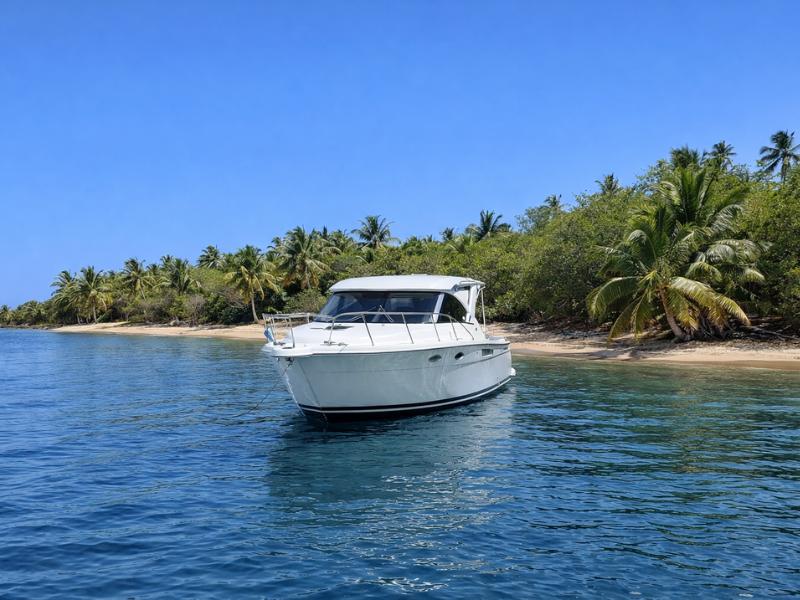
Shore snorkeling is better for turtle encounters at Tamarindo and for longer unstructured time in the water. Boat tours are better for reaching Carlos Rosario, Cayo Luis Peña, and Culebrita, which are harder to access from shore, and for snorkelers who want a guide in the water identifying what they are seeing in real time. The two are not substitutes: they access different sites and deliver different experiences.
The common assumption that a boat tour is automatically the superior option misses what makes Culebra’s shore snorkeling exceptional. Tamarindo’s turtle snorkeling is consistently rated by experienced snorkelers as the best wildlife encounter they have had anywhere, and it requires no boat at all. Walking into knee-deep water and swimming 50 yards to float above a sea turtle grazing unhurried sea grass is an encounter that no boat-dropped reef session at Carlos Rosario, as impressive as that reef is, can replicate. Shore snorkeling at Tamarindo is the right call for wildlife-focused visitors.
Boat tours earn their value at the deeper reef sites. Carlos Rosario from shore requires hiking the trail from Flamenco’s parking lot. By boat, you arrive directly. The reef structure at 15 to 25 feet, with its density of brain coral, sea fans, and fish, is the best in the reserve and only gets better with depth. For snorkelers who have already done the turtle experience at Tamarindo and want to see the most impressive reef system Culebra offers, the boat to Carlos Rosario is the upgrade.
We’ve got a full Culebra travel guide if you want to know exactly how to get there, where to stay, and how to make the most of your time on the island.
What Our Guided Snorkeling Groups See and Report
From over a decade guiding snorkeling groups through Culebra’s protected waters, the patterns in what travelers encounter and what they value most are consistent.
| Saw at least one sea turtle | 91% | Tamarindo consistently delivers. Morning sessions have highest rates. |
| Saw a stingray | 74% | Sandy areas near sea grass. More common than most visitors expect. |
| “This was better than any snorkeling I’ve done” | 68% | Most common with first-time Culebra visitors, especially those from mainland US. |
| Reported that the guide made a significant difference | 82% | Knowing where to go and what to look for changes the experience completely. |
| Would add a boat tour on a return visit | 59% | Visitors who did shore snorkeling first want the reef depth of Carlos Rosario next time. |
What Should You Bring on a Culebra Snorkeling Tour?
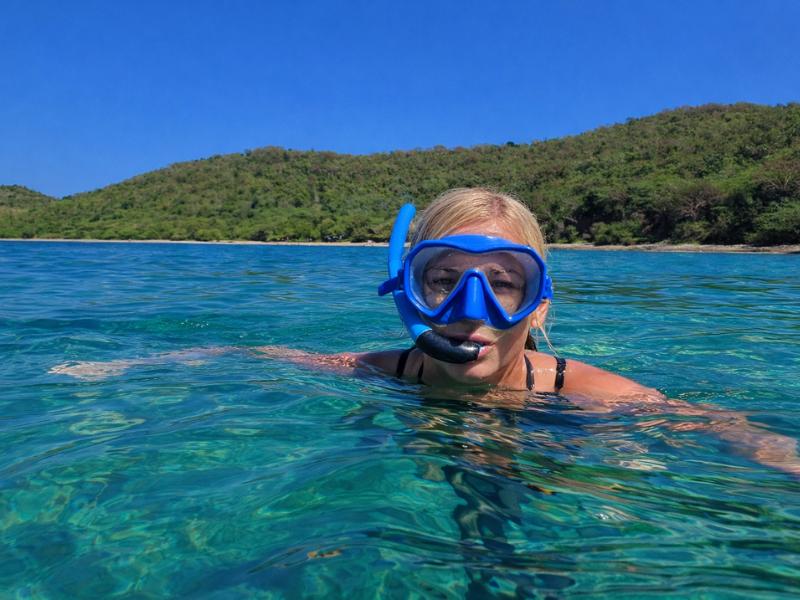
The essentials: reef-safe mineral sunscreen (non-negotiable in protected reserve waters), water shoes for rocky entry beaches, a dry bag for your phone and wallet, a rash guard or SPF shirt for back protection, your own snorkel mask if you have one that fits well, and cash for tips and any incidentals. Most tours provide fins, mask, snorkel, and flotation. Nothing you forget at the hotel can be easily replaced on a small island with one small grocery store.
Reef-safe sunscreen is the most important item on this list. Culebra’s snorkeling sites are in or adjacent to the Luis Peña Channel Natural Reserve. Apply mineral sunscreen at least 30 minutes before entering the water, not on the boat and not in the sea. Chemical sunscreen that washes off in the water enters the reef ecosystem directly. This is a rule we enforce with every group we guide, without exception.
Water shoes matter at Tamarindo and Melones specifically. Both beaches have rocky or pebbly shore entries. A water shoe or closed-toe swim shoe makes the entry comfortable and prevents contact with the bottom, which protects the reef as much as it protects your feet. You do not need them at Flamenco.
A rash guard or SPF shirt does more for sun protection than sunscreen alone. Snorkeling puts your back in direct sun for extended periods. People who snorkel without a shirt and apply sunscreen carefully still get burned on a two-hour session. The shirt is the reliable insurance.
Cash for the tip. Guiding snorkeling groups in a marine reserve is skilled work that changes every trip, and the guides who consistently find the turtles and keep the group oriented in the water earn a genuine tip. $10 to $20 per person is appropriate for a quality guided session.
Trying to plan a beach day that actually lives up to the photos? Here’s a Flamenco Beach guide so you arrive prepared and leave with no regrets.
What Marine Life Can You Expect to See?
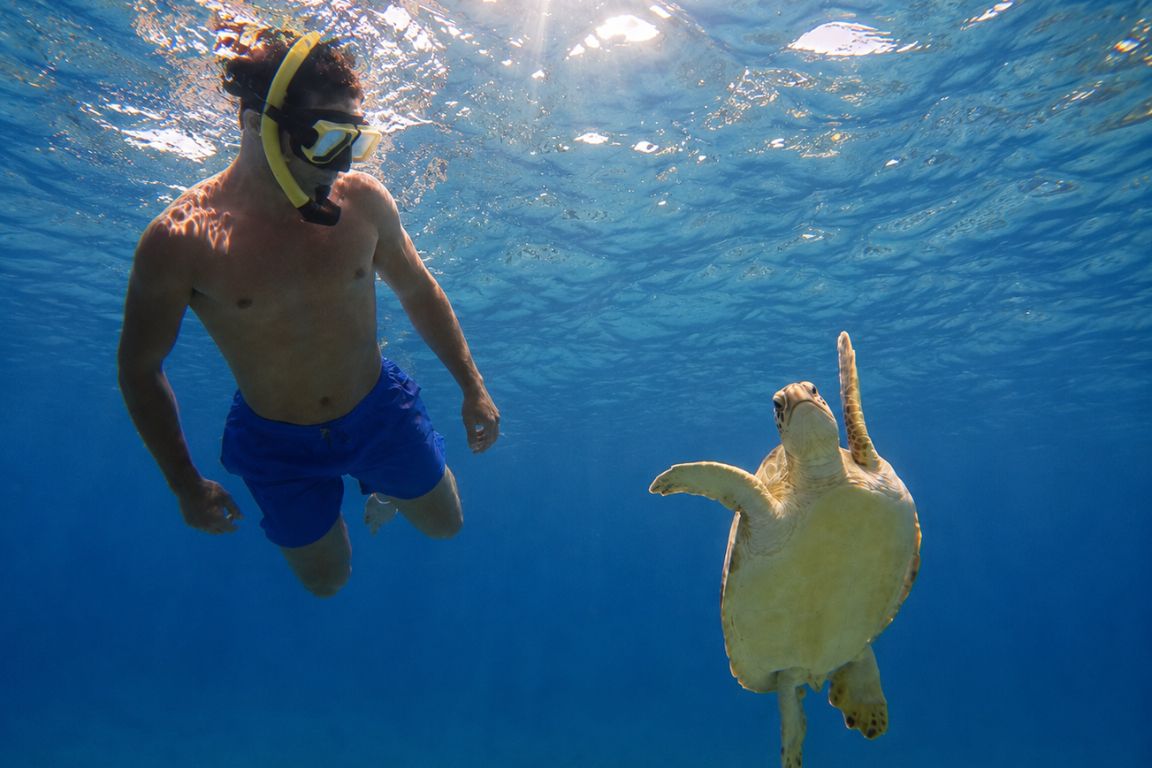 In Culebra’s protected waters, regular sightings include green and hawksbill sea turtles, southern stingrays, parrotfish, blue tang, sergeant majors, angelfish, wrasse, moray eels, and a dense variety of reef fish. Less common but documented: nurse sharks, manta rays near Culebrita, lobster in reef crevices, and hawksbill sea turtles nesting on protected beaches at Zoni and Playa Brava. The Luis Peña Channel Natural Reserve has the highest coral cover in Puerto Rico, which directly supports the species density our groups encounter on almost every session.
Sea turtles are the most celebrated encounter and the most reliably delivered. Green sea turtles graze the sea grass at Tamarindo and several other calm bays. Hawksbill turtles favor the reef areas and are more commonly seen at Carlos Rosario and around Culebrita. Both species are protected under the Endangered Species Act. The wildlife etiquette is non-negotiable: maintain a comfortable distance, do not attempt to touch or ride a turtle, do not block their path to the surface for air, and keep your fins and arms still when a turtle approaches. The animals in these protected waters are habituated to calm human presence and will often linger when approached respectfully. They will startle and leave immediately if grabbed or chased.
Stingrays are more common than most first-time visitors expect. Southern stingrays rest in the sandy areas between sea grass beds, partially buried. They are not aggressive. Move slowly, do not step on the sandy bottom without shuffling your feet, and enjoy the encounter from a respectful distance. Sharks are occasionally seen in Culebra’s waters, mainly nurse sharks resting on the bottom. Nurse sharks are docile and pose no risk to snorkelers who do not attempt to touch them.
How Do You Book a Snorkeling Tour in Culebra?
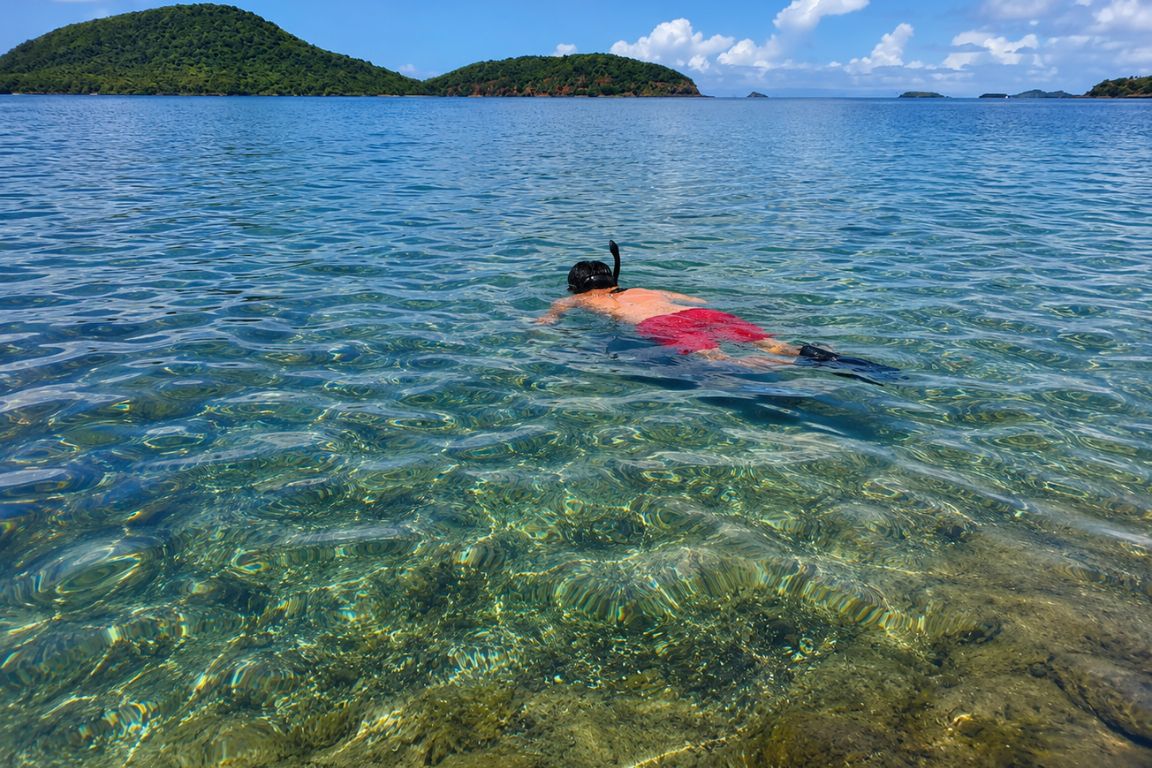 Book in advance, especially in peak season. The best guided shore tours, particularly Kayaking Puerto Rico’s Aquafari excursion, sell out days or weeks ahead during December through March. Boat tours with small group caps, like Culebra Divers’ six-person maximum sessions, fill faster than catamaran tours. For catamaran tours from Fajardo, book a week to two weeks ahead in shoulder season and a month ahead in peak season. Walk-in availability exists in low season but should not be counted on.
For visitors staying on Culebra, the on-island operators are the most flexible option. Culebra Divers is located steps from the ferry dock in Dewey and rents gear without reservations (from $10 to $15 per day) for independent snorkelers, or runs guided boat tours for those who want reef access beyond shore range. Kayaking Puerto Rico runs guided Tamarindo tours most mornings with participants meeting at the beach. Both operators can sometimes accommodate same-day bookings in low season; both are likely booked out during peak weeks.
For mainland visitors who want the snorkeling built into their day trip package, the catamaran tours from Fajardo are the simplest single-booking option. East Island Excursions and similar operators handle the transit from the Puerto Rico mainland, the snorkel session at the Luis Peña Channel Reserve, lunch, and the Flamenco Beach stop in a single reservation. Book through Viator or directly with the operator at least two weeks ahead for peak dates.
First time heading to a small island off Puerto Rico and not sure where to start? Our guide on how to visit Culebra tours walks you through everything from ferry schedules to where to stay.
Frequently Asked Questions
Do I need snorkeling experience to join a tour in Culebra?
No. Most guided shore tours at Tamarindo are designed for all experience levels and include a briefing before entering the water. You need to be a comfortable swimmer. For boat tours, operators like Culebra Divers recommend prior snorkeling experience since you enter from the boat directly into deeper water with no land access nearby.
What is the best snorkeling spot in Culebra for sea turtles?
Tamarindo Beach. The sea grass beds in the shallow, protected cove are a consistent turtle feeding habitat. Green and hawksbill turtles graze here throughout the day. Morning sessions before 11 AM typically produce the highest encounter rates.
Is reef-safe sunscreen required on snorkeling tours in Culebra?
Yes, effectively. The Luis Peña Channel Natural Reserve, where most guided tours operate, is protected federal marine habitat. Chemical sunscreens containing oxybenzone or octinoxate damage coral reefs. Reputable tour operators require or strongly encourage mineral sunscreen. Bring your own; operators do not supply it.
How much do snorkeling tours cost in Culebra?
Guided shore tours run about $50 to $100 per person for a half-day. On-island boat tours with small group caps run $150 to $195. Catamaran tours from Fajardo run $168 to $195 and include lunch and drinks. Private charters start around $1,500 per group. Gear rental for independent shore snorkeling runs $10 to $15 per day from shops in Dewey.
Can children join snorkeling tours in Culebra?
Yes, with age and ability caveats. Most guided shore tours allow children aged 6 and up who can swim comfortably. Kayaking Puerto Rico’s Aquafari tour has a minimum age of 6. Boat tours are generally recommended for stronger swimmers and older children. Tamarindo Beach’s shallow, calm water is ideal for introducing children to snorkeling independently or on a guided shore session.
Written by Camila Elena Ramirez
Puerto Rican tour guide since 2014 · Founder, Culebra Tours
Camila has guided over 15,400 travelers through Culebra and the Spanish Virgin Islands since founding the agency.