Culebra Travel Guide
Culebra is more than Flamenco Beach, it's a protected island of quiet coves, sea turtles, rich history, and laid-back Caribbean charm that rewards travelers who slow down.
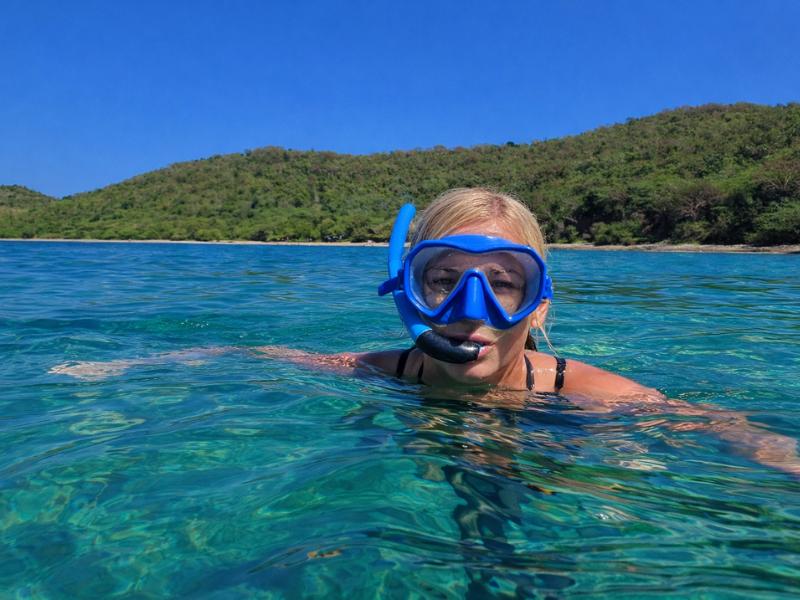
Ferry tickets, island transport, guided Tamarindo shore snorkeling, gear, snacks and Flamenco entry. Lunch extra. Explore Culebra Snorkel with Turtles & Flamenco Beach Adventure by Ferry
Culebra is a small, mostly undeveloped island 17 miles off Puerto Rico’s east coast with some of the best beaches and reef snorkeling in the Caribbean. Get there by ferry from Ceiba (~$4.25, 1 hour) or small plane from San Juan (~$89, 30 minutes). Rent a Jeep or golf cart on arrival. Flamenco Beach is the centerpiece, but Tamarindo, Carlos Rosario, and Zoni are worth equal time. Plan at least two nights. Bring cash, reef-safe sunscreen, and low expectations for nightlife. The island rewards travelers who slow down and punishes those who rush.
Booking Choice: Ceiba ferry terminal; return to Ceiba. Check Dates For Tamarindo And Flamenco By Ferry
Culebra at a Glance
| Location | 17 miles east of Puerto Rico mainland, part of the Spanish Virgin Islands |
| Size | ~7 square miles (main island) plus 23 surrounding cays and islets |
| Population | ~2,000 residents |
| Main town | Dewey (also called Culebra Pueblo) |
| Language | Spanish primary, English widely understood in tourist services |
| Currency | US dollars. One ATM on the island. Stock up on cash before arriving. |
| Passport required (US citizens) | No. Government-issued ID only. |
| Getting there | Ferry from Ceiba (~$4.25, 1 hour) or flight from San Juan Isla Grande (~$89, 30 min) |
| Getting around | Jeep or golf cart rental, taxi, bicycle. No public transit. |
| Best time to visit | Late April to early June (best balance of weather and crowds). Dec-Mar for driest conditions. |
| Minimum recommended stay | 2 nights. 3 nights is better. |
| Known for | Flamenco Beach, coral reef snorkeling, sea turtles, Culebra National Wildlife Refuge |
Prices verified July 2026.
What Is Culebra and Why Do People Keep Coming Back?
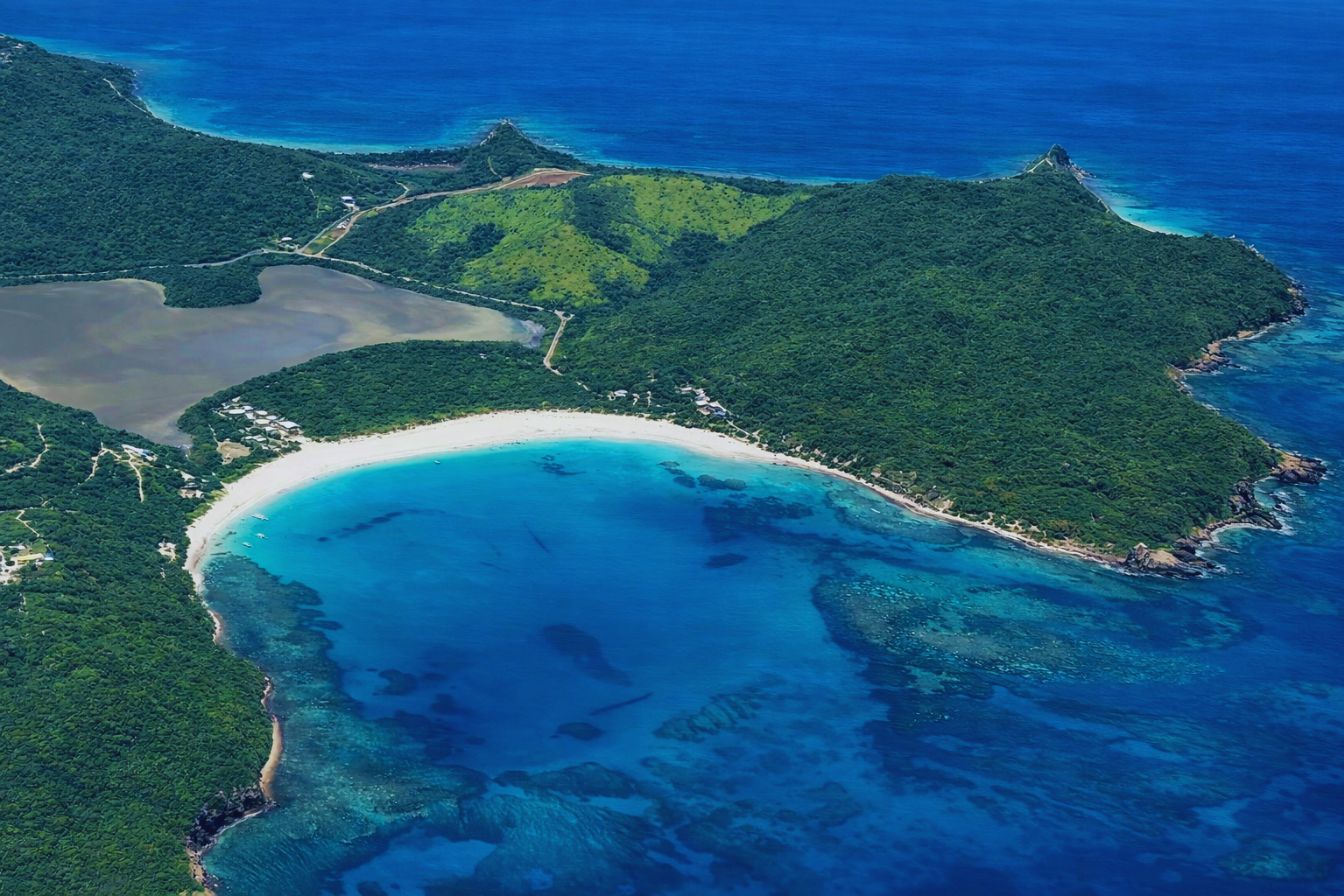 Culebra is a small, mostly protected island off Puerto Rico’s east coast with no chain hotels, no cruise port, no resort strip, and some of the healthiest coral reefs in the Caribbean. People come for Flamenco Beach, one of the world’s most consistently ranked beaches. They come back because the island has a quality that is genuinely hard to find anymore: it is unhurried, undeveloped, and unapologetic about both.
Seven square miles. Fewer than 2,000 year-round residents. More than 20 surrounding cays classified as nature reserves. The Culebra National Wildlife Refuge, one of the oldest bird sanctuaries in the United States, was established in 1909 by President Theodore Roosevelt. Most of the island’s land is federally protected. This is not incidental. It is the reason Culebra looks the way it does.
The Caribbean runs on a spectrum from overdeveloped to overlooked. Culebra sits at a very specific point on that spectrum: it is well-known enough to have a functioning ferry system, a handful of excellent restaurants, and rentable Jeeps in Dewey, but undeveloped enough that you cannot find a chain hotel, a swimming pool with a swim-up bar, or a souvenir shop selling the same six items you saw in four other islands. The beaches are public. The reefs are protected. The roads are narrow and shared with chickens.
The people who keep coming back are not coming back for novelty. They are coming back for consistency. The water at Flamenco is always that color. Tamarindo’s sea turtles are always there, grazing the sea grass in the same shallow bay. The Dewey canal at sunset looks the same every evening, the boats rocking gently while someone at Dinghy Dock orders something cold. This is an island that does not try to improve itself and is better for it.
How Do You Get to Culebra?
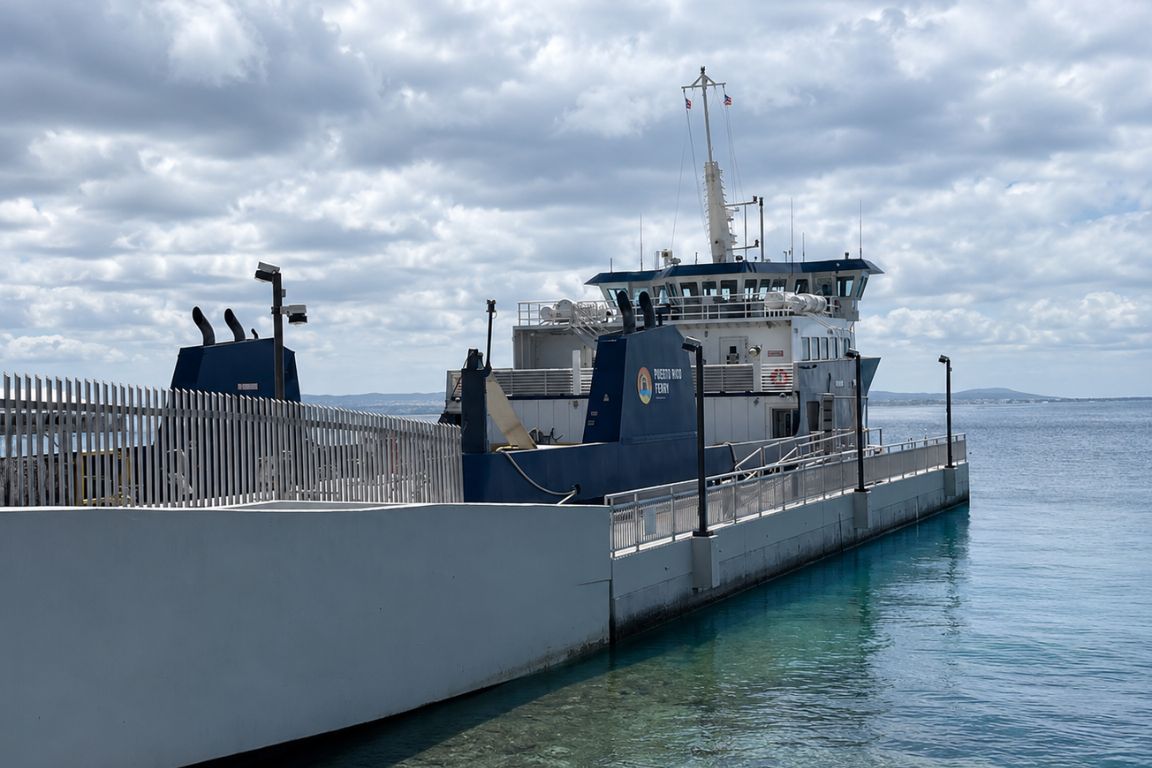
 There is no direct ferry from San Juan. You travel east to Ceiba, about 90 minutes by car from the capital, and take the passenger ferry from there to Culebra (1 hour, ~$4.25 per adult non-resident including environmental fee). Alternatively, fly from San Juan’s Isla Grande Airport to Culebra’s small CPX airport in about 30 minutes from ~$89 one-way. Most budget-conscious travelers take the ferry. Most people who value time, comfort, and reliability fly.
The ferry is operated by Puerto Rico Ferry and departs from the Ceiba Ferry Terminal at Roosevelt Roads. Tickets release online 30 to 90 days before travel and sell out fast on weekends and holidays during peak season (December through March). Buy both the outbound and return legs at the same time. The Sunday afternoon return ferry is the hardest ticket of the week, all year, and every traveler who bought only their outbound leg and assumed they would figure out the return eventually has learned this lesson the uncomfortable way.
Flights serve Culebra’s Benjamin Rivera Noriega Airport (CPX) from San Juan’s Isla Grande Airport (SIG) via Air Flamenco, Vieques Air Link, and Cape Air. The 30-minute flight costs more but eliminates the 90-minute mainland drive, the terminal wait, and the possibility of a rough crossing. For families with young children, travelers prone to seasickness, or anyone visiting during peak season with a tight itinerary, flying is almost always the right call.
Once in Culebra, there is no public transportation. Taxis meet ferry arrivals at the Dewey dock and run $5 per person to Flamenco Beach. For anything beyond Flamenco, rent a Jeep or golf cart in Dewey. Golf carts handle the main paved roads well and cost less per day. Jeeps are better for the unpaved roads east of town toward Zoni Beach and the hillside villas. In peak season, reserve your vehicle before you arrive.
Still undecided on how to get there? This guide on flight vs ferry to Culebra gives you a straight answer based on timing, cost, and what most travelers end up choosing.
| Passenger Ferry (Ceiba) | ~$4.25 (fare + env. fee) | ~1 hour crossing + 90 min drive to Ceiba | Budget travelers, flexible schedules |
| Flight (San Juan Isla Grande) | From ~$89 | ~30 min flight + 15 min to SIG from SJU | Peak season, families, time-sensitive travelers |
| Flight (Ceiba Airport) | From ~$50 | ~12 min flight | Travelers already on east coast of PR |
Prices verified July 2026. Ferry: puertoricoferry.com. Flights: Air Flamenco, Vieques Air Link, Cape Air.
What Are the Best Beaches in Culebra?
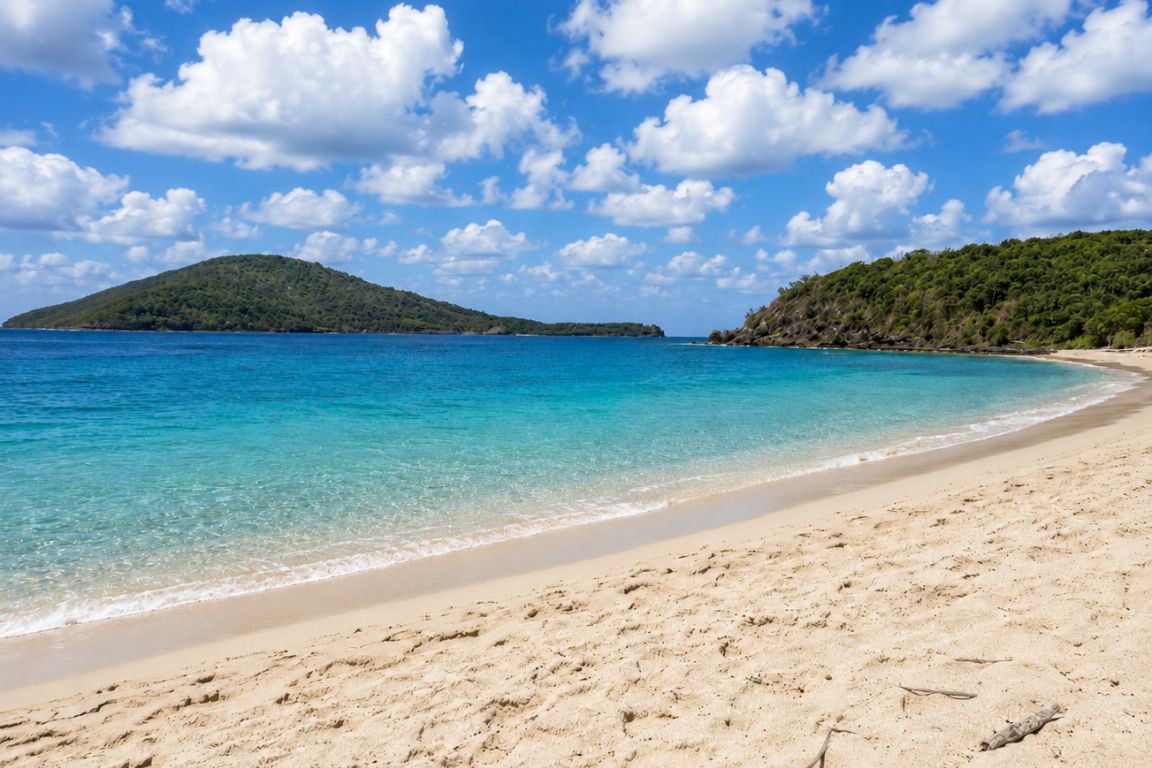 Culebra has more than ten beaches ranging from the world-famous to the genuinely secret. Flamenco Beach is the anchor, with Blue Flag certification, lifeguards, and the facilities to match its reputation. But Tamarindo, Carlos Rosario, Zoni, and the offshore island of Culebrita each offer something Flamenco cannot: solitude, better snorkeling, or a view of the British Virgin Islands on a clear morning. The best Culebra visit combines at least three beaches, not one.
Flamenco Beach
The horseshoe crescent on Culebra’s northwest coast is the centerpiece of most trips and the reason the island appears on global beach rankings year after year. The reef-protected bay keeps the water calm and shallow, the sand is the powdery white that every beach in travel writing claims to have and few actually deliver, and the Blue Flag certification reflects a real standard of cleanliness and facility management. Two M4 Sherman tanks sit at the western end of the beach, painted over and over in layers of graffiti since the US Navy left in 1975. Walk past them and the crowds thin significantly. Lifeguards are on duty during daytime hours in season. Bathroom, showers, food kiosks, and rental chairs are available. This is the most practical beach on the island, and also the most beautiful, which is a combination Culebra pulls off that most destinations cannot.
Tamarindo Beach
Tamarindo is the sea turtle beach. The animals are wild and unmanaged, grazing the sea grass beds in calm, shallow water that is accessible directly from shore. The beach itself is rocky rather than sandy, which means most visitors are here for snorkeling rather than sunbathing, and the absence of a beautiful sand strip keeps the crowd smaller than it deserves to be. The Luis Peña Channel Natural Reserve, Puerto Rico’s first no-take marine reserve, protects this water. Nothing is caught here. Everything thrives here. The snorkeling is unhurried and extraordinary, and watching a sea turtle surface for air five feet from you in water shallow enough to stand in is the kind of experience that stays with you long after the trip.
Carlos Rosario Beach
Carlos Rosario sits within the same marine reserve as Tamarindo and is widely considered the best snorkeling beach on the island. The reef in 15 to 25 feet of water holds the greatest diversity of corals and fish around Culebra, and because getting here requires either hiking a trail from Flamenco’s parking area or arriving by kayak or water taxi, it sees a fraction of Flamenco’s visitors. No facilities. Bring water, food, and a full tank of enthusiasm. The snorkeling alone justifies the effort.
Zoni Beach
On Culebra’s remote eastern tip, about 20 minutes from Dewey by Jeep, Zoni faces east toward the British Virgin Islands. The view on a clear morning is remarkable: St. Thomas, St. John, and the scattered islets of the BVI sitting on the horizon across water that shifts from green to deep blue as the depth drops away from shore. Zoni is long, wild, and almost always empty. It is not a snorkeling beach and it is not a swimming beach in choppy conditions. It is a beach for people who want to be alone with something beautiful. Leatherback turtles nest here between February and July; respect the nesting signs and stay off the marked areas.
The verified guided itineraries do not include a promised Zoni stop. Arrange independent island transport for this beach.
Culebrita (Playa Tortuga)
Culebrita is a tiny uninhabited island 15 minutes from Dewey by water taxi. It has six beaches, a 19th-century Spanish-era lighthouse built in 1886, natural tidal pools called Las Jacuzzis that fill with warm seawater, and snorkeling that experienced divers rate above anything on the main island. There are no facilities. Bring everything. The water taxis that service Culebrita depart from the Dewey waterfront, and most operators will arrange a pickup time at the end of the day. A full day on Culebrita, particularly with a snorkel and a picnic, is the trip within the trip that people talk about for years.
Not sure which beaches are worth the effort to reach versus which ones you can skip? This breakdown on the best beaches in Culebra tours tells you exactly where to spend your sand time.
| Flamenco Beach | Everything. The classic Culebra day. | Lifeguards, bathrooms, showers, kiosks, rentals | Taxi ($5) or golf cart from Dewey |
| Tamarindo Beach | Sea turtle snorkeling | None. Bring your own water and food. | Golf cart or Jeep from Dewey (10 min) |
| Carlos Rosario | Best reef snorkeling on the island | None | Hike from Flamenco or kayak/water taxi |
| Zoni Beach | Solitude, views, turtle nesting season | None. 4WD recommended. | Jeep from Dewey (20 min) |
| Culebrita (Playa Tortuga) | Full day adventure, tidal pools, lighthouse hike | None. Pack everything. | Water taxi from Dewey dock (~15 min) |
| Melones Beach | Easy shore snorkeling close to Dewey | Minimal. Roadside parking. | Golf cart from Dewey (5 min) |
What Are the Best Things to Do in Culebra Beyond the Beach?
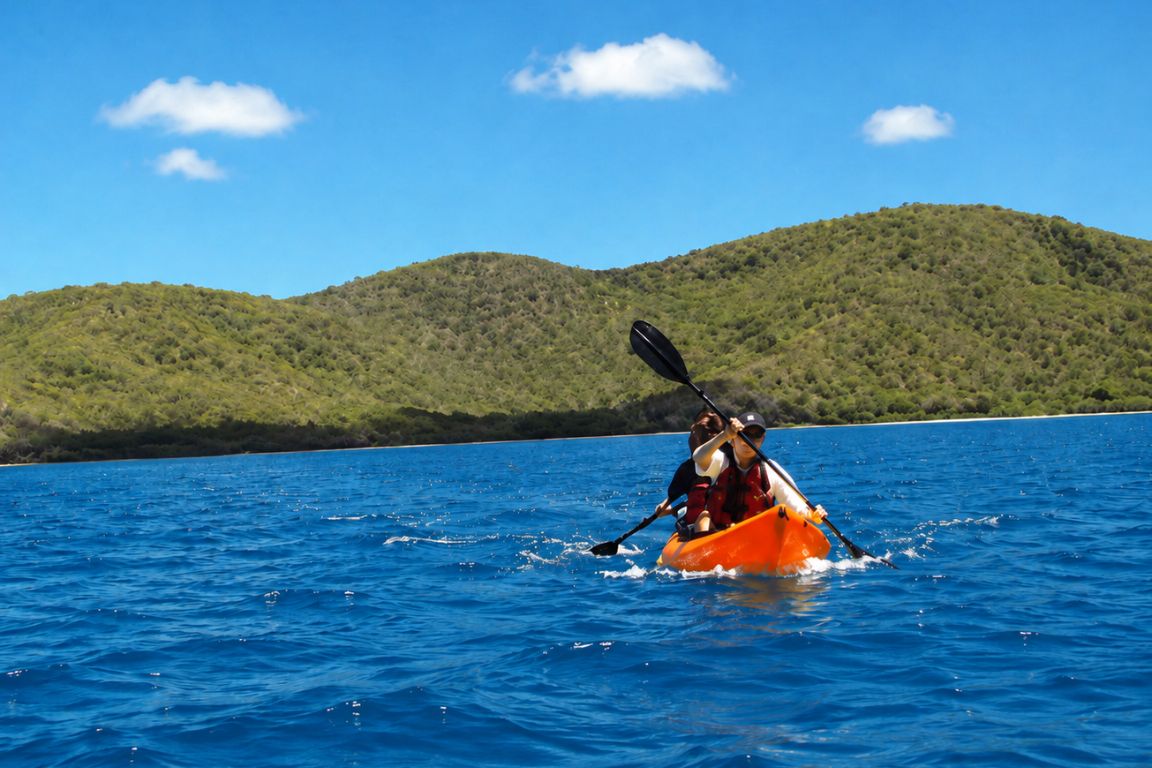 Culebra’s activity list is short by design. The island has no golf courses, no casinos, no water parks, and no nightlife district. What it has is some of the best reef snorkeling in the Caribbean, sea kayaking through protected channels, scuba diving on reefs and old wrecks, hiking to secluded coves, bird watching in one of the oldest US wildlife refuges, and a night sky so dark that the Milky Way is visible from the beach. If none of that appeals, a different island probably suits you better.
Snorkeling and diving. The Luis Peña Channel Natural Reserve makes Culebra one of the most significant marine habitats in Puerto Rico. Carlos Rosario is the top shore-snorkel site, with coral diversity at 15 to 25 feet that rivals boat-access reefs elsewhere in the Caribbean. Tamarindo offers turtle encounters in shallow, gentle water. Melones Beach, just five minutes from Dewey, puts you over a reef within a short swim from shore and is the easiest entry for beginners. For scuba divers, Culebra Divers in Dewey offers guided trips to reef and shipwreck sites that the snorkelers cannot reach on their own.
Day trip to Culebrita. The uninhabited island northeast of Culebra is the trip most visitors plan for day two or three. The water taxis from Dewey take 15 minutes. Once there: tidal pools that fill with warm water at high tide, six small beaches, the historic lighthouse from 1886, and snorkeling conditions that experienced divers consistently rate above the main island. Bring a packed cooler, water shoes for the rocky trail to the lighthouse, and a dry bag for your phone. There is nothing on the island to buy or rent.
Kayaking and paddleboarding. The channel between Culebra and Cayo Luis Peña is protected water with no motorboat traffic allowed. A kayak rental from Dewey gives you access to mangrove channels, small coves, and beach access points that do not exist by road. Several operators near the Dewey waterfront rent kayaks and paddleboards by the hour or the day.
The Fiestas Patronales. Culebra’s patron saint festival happens each June, a multi-day celebration with live music, traditional food, local crafts, and the particular energy that comes from a whole island turning out together. If your visit overlaps, this is the authentic island experience that no tour can manufacture.
Walking Dewey. The town is small enough to cover in an afternoon and interesting enough to reward wandering. The canal is the spine of it, lined with restaurants, a few small shops, the ferry terminal, and the boats that anchor here between trips. The Museum of Culebra, a small community museum, gives context to the island’s complicated history with the US Navy, which used large portions of the island as a bombing range for decades before residents forced the military out in 1975. Understanding that history makes the protected status of the island feel less like luck and more like something that was fought for.
Trying to fit Culebra into a San Juan itinerary without committing to an overnight stay? Here’s Culebra day trips from San Juan broken down so you make the most of the time you have.
Where Should You Eat and Drink in Culebra?
Culebra’s food scene is small, honest, and good. There are no destination restaurants in the Michelin sense, but there are a handful of places that serve fresh seafood, Puerto Rican classics, and cold drinks with a view in a way that feels like the island itself. Dewey is where most of the dining happens. The Flamenco Beach kiosks handle lunch. For dinner, the canal in Dewey is the right neighborhood.
The rhythm most visitors settle into: Pan Deli in the morning for strong coffee and a fresh pastry before heading to the beach, kiosk food at Flamenco for lunch (empanadillas, pinchos, cold drinks), and one of the Dewey restaurants for dinner. It is a simple pattern and it works.
Dinghy Dock is the most social spot on the island, a waterfront restaurant and bar on the Dewey canal with an open-air setting, fresh seafood, Puerto Rican criollo cooking, and a view of the boats. The coconut shrimp, grilled fish of the day, and lobster when it is in season are the anchor dishes. The bar is usually going until the island calls it a night. It functions as a community hub as much as a restaurant, and the mix of locals, sailors, and visiting travelers gives it an energy that Culebra does not otherwise have much of after dark.
Mamacita’s is the Culebra institution, a waterfront guesthouse whose restaurant and bar has been the island’s social center for years. Caribbean-inspired dishes, mofongo, fresh fish, festive cocktails, and occasional live music on weekends. The back patio overlooking the canal is the seat to get.
Zaco’s Tacos is the casual daytime go-to: creative tacos with fresh mahi-mahi, shrimp burritos, vegetarian options, and margaritas cold enough to matter after a day at Flamenco. Colorful, lively, quick.
Susie’s is the island’s most ambitious kitchen, a hillside spot where the menu changes based on what is fresh and locally available. Garam masala-encrusted grouper, octopus salad, snapper fillet with roasted garlic cream. It is the closest thing Culebra has to a proper dinner destination and it is worth booking ahead.
Pan Deli opens early and serves the best breakfast on the island: fresh bread, sandwiches built with quality ingredients, traditional Puerto Rican pastries, and coffee that is strong enough to earn the ferry ride. Come before 9 AM or accept whatever is left.
The practical note: Culebra’s restaurants are small, their hours are island hours (meaning they close when they feel like it and occasionally do not open at all), and cash is preferred or required at most spots. Confirm hours before making plans around a specific dinner reservation, particularly outside peak season when some places reduce their schedules or close for maintenance weeks.
Not sure what makes Flamenco Beach worth the trip or how to visit without the crowds ruining it? This Flamenco Beach guide covers the best times to go, what to bring, and where to set up.
Keep this meal stop flexible. No matching affiliate dining experience at these island restaurants was verified.
How Much Does a Trip to Culebra Cost?
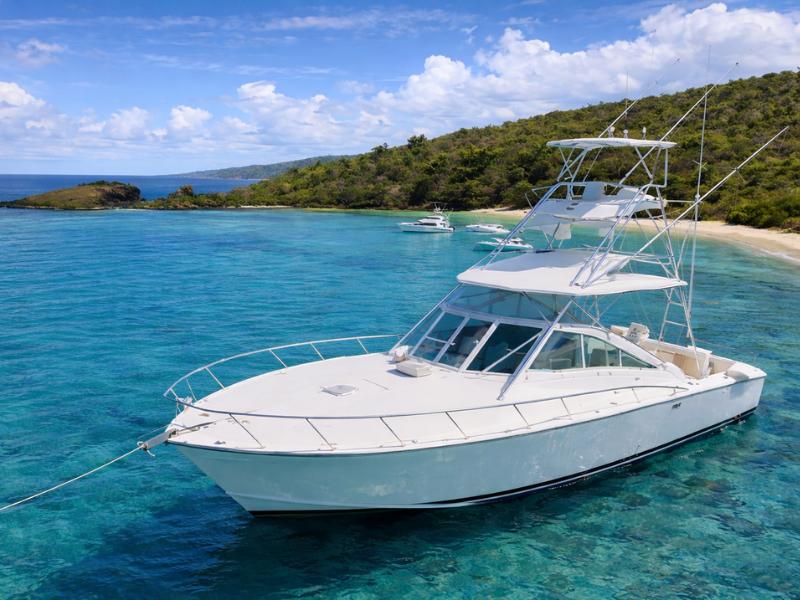
A two-night trip to Culebra for two people traveling by ferry, staying in a midrange guesthouse, renting a golf cart, eating at local restaurants, and doing one snorkeling excursion will run roughly $600 to $900 total, not including the cost of getting to Puerto Rico. Peak season adds 30 to 50 percent across accommodation and activity pricing. Flying instead of ferrying adds $150 to $200 per person round-trip but removes several hours of transit and a moderate amount of stress.
The hidden cost most budgets miss: the cost of getting to Ceiba before the ferry. A taxi from San Juan International to the Ceiba terminal runs $80 to $100 one-way. A rental car parked at Ceiba terminal costs $5 per day on top of the rental rate. Factor this into your total when comparing ferry vs. flight economics. For a couple driving a rental car from San Juan and ferrying both ways, the transport cost difference between ferry and flight narrows significantly once parking and the drive are included.
The ferry fills up faster than most people expect especially on weekends. Here’s a ferry to Culebra guide so you plan ahead and don’t get left at the dock.
| Ferry (round-trip, per person) | ~$8.50 | ~$8.50 | Same price for all. $2.25 fare + $2 env. fee each way. |
| Flight option (round-trip, per person) | ~$150 | ~$200 | Air Flamenco, Vieques Air Link, Cape Air from San Juan. |
| Accommodation (per night) | $80-$130 (guesthouse) | $150-$250 (villa or boutique) | Peak season adds 30-50%. Book 2-4 months ahead for Dec-Mar. |
| Golf cart rental (per day) | $50-$60 | $50-$60 | Jeep runs $50-$71/day. Shared between group. |
| Food (per person, per day) | $30-$50 (kiosks + casual) | $60-$90 (full restaurant meals) | Cash preferred. Bring small bills. |
| Snorkeling gear rental | $10-$15/day | Bring your own | Available at Flamenco and in Dewey. Limited supply in peak season. |
| Guided snorkeling tour | $50-$80/person | $80-$150/person | Includes transport to outer reef sites. |
| Water taxi to Culebrita (round-trip) | $40-$50/person | $40-$50/person | Full day excursion. No facilities on Culebrita. |
| Flamenco Beach parking | $5/day | $5/day | Per vehicle. |
Prices verified July 2026. All figures in USD.
What Are the Most Important Rules and Etiquette on the Island?
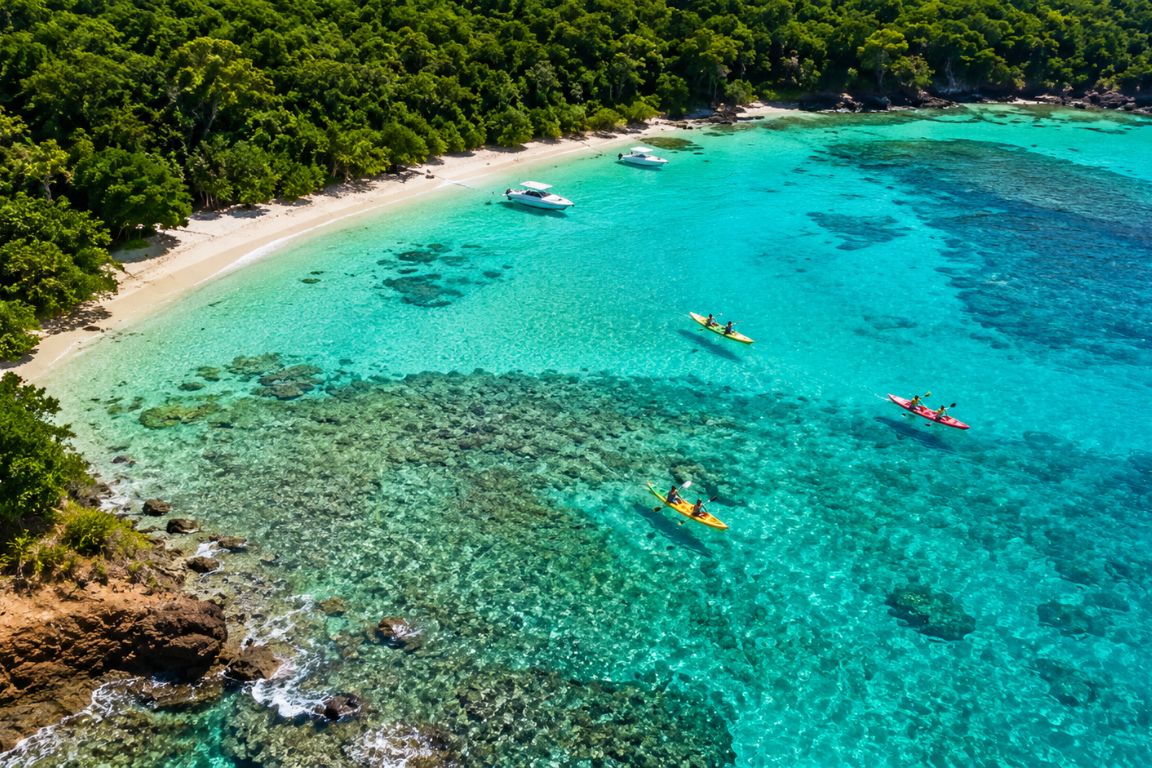 Culebra operates on a conservation ethic that is not optional. Much of the island and its surrounding water is federally protected. The rules around reef interaction, sea turtle disturbance, and sunscreen chemicals are not suggestions. They reflect decades of work by residents to keep the island in the condition that makes it worth visiting. Travelers who follow them contribute to that work. Travelers who do not are actively degrading the thing they came to see.
Reef-safe sunscreen only. Chemical sunscreens containing oxybenzone and octinoxate damage coral reefs. The Luis Peña Channel Natural Reserve, the Carlos Rosario and Tamarindo reefs, and the waters around Culebra’s protected cays are among the healthiest marine environments in the region. Bring mineral sunscreen with zinc oxide or titanium dioxide as the active ingredients. Do not bring conventional chemical sunscreen and assume it will not matter. It will matter.
Do not touch coral. Coral is a living organism. Contact transfers oils and bacteria that can kill coral colonies that took decades to grow. Keep your fins off the bottom. Do not stand on the reef. Do not pick up anything from the seabed in the protected reserve areas.
Do not touch sea turtles. Three turtle species visit Puerto Rico’s waters, including leatherback and green sea turtles, both protected under the Endangered Species Act. At Tamarindo, you will be close. Keep a comfortable distance and do not chase them. Let them surface, breathe, and continue on their way.
No glass on the beaches. Broken glass in sand causes injuries to people and wildlife. The rule is enforced at Flamenco and applies island-wide by general practice.
Pack out your trash. There are bins at Flamenco and at Dewey, but Culebra does not have large-scale waste management infrastructure. The wind carries lightweight packaging onto the reefs and into the nesting areas. Take your trash with you or use the bins provided.
Respect turtle nesting season. Leatherback turtles nest at Zoni and Playa Brava between February and July. Culebra National Wildlife Refuge staff manage these areas, and nesting sites are marked. Stay off marked areas, do not use lights on nesting beaches at night, and follow any guidance posted at beach access points.
Island time is real. Restaurants open when they open and close when they feel like closing. The ferry might be delayed. Your rental might not be ready at the exact time you planned. The island does not organize itself around your schedule and does not apologize for this. Build flexibility into every plan. The travelers who have the best time on Culebra are the ones who adapted to the island’s pace rather than fighting it.
What Our 15,400 Travelers Tell Us About the Culebra Experience
After more than a decade guiding travelers through Culebra, certain patterns show up consistently in what people wish they had known and what they wish they had done differently. This is not survey data. It is what we hear, trip after trip, from the people we guide.
| “I wish I had stayed longer” | 64% | Two nights is the minimum. Three gives you Culebrita. |
| “I didn’t know about Carlos Rosario or Tamarindo” | 41% | First-timers default to Flamenco and miss the best snorkeling. |
| “I ran out of cash” | 38% | One ATM. Bring $200+ per person in small bills. |
| “The ferry was harder than I expected” | 29% | Book both legs together. Sunday returns are the tightest. |
| “I didn’t make it to Culebrita” | 27% | Plan Culebrita for day two. It requires a full day by design. |
| “I forgot reef-safe sunscreen” | 22% | The island’s store runs low. Bring it from the mainland. |
What Do First-Time Visitors Wish They Had Known?
 The things first-time Culebra visitors most consistently wish they had known before arriving are not about beaches or restaurants. They are about logistics: book ferry tickets in both directions before you book anything else, bring more cash than you think you need, and plan for at least one day more than feels necessary. The island is small. Its complications are specific and avoidable with a small amount of preparation.
The ferry sell-out problem is real and consistent. Holiday weekends, any Friday or Sunday in peak season, and the week between Christmas and New Year produce sold-out crossings on both legs. Travelers who bought their outbound ticket weeks ahead and assumed the return would be fine have arrived at the terminal to find no seats. Buy both legs the moment the travel window opens. This is the single highest-impact planning step for any Culebra trip.
The ATM runs out. There is one Banco Popular in Dewey. It runs low or empty on busy weekends and stays empty until a restock. Most of the island’s informal economy, kiosks, taxis, small food spots, beach vendors, runs on cash. Withdraw before leaving San Juan or Fajardo. $200 per person for a two-night trip is not excessive. Small bills are better than large ones.
Reef-safe sunscreen is harder to find on the island than the mainland. The small grocery store in Dewey carries some, but selection is inconsistent and stock runs low fast in peak season. Bring a full supply from home. This is not optional if you plan to snorkel the reef areas, which are protected waters where chemical sunscreen does measurable damage.
The best beaches after Flamenco require effort. Carlos Rosario and Tamarindo do not have signs pointing to them from the ferry dock. They require either a hike, a kayak, or a golf cart plus some navigation. First-time visitors who rent a vehicle and spend 20 minutes on day two finding these places are almost universally glad they did. First-time visitors who stay at Flamenco for all three days leave wondering why people make such a big deal of Culebra’s snorkeling.
Culebra is not a trip that rewards efficiency. The people who plan tightly, schedule everything, and try to cover the whole island in 36 hours come home with good photos and a vague sense that something was missing. The people who give the island three nights, slow down on day two, take the water taxi to Culebrita on day three, and eat dinner at Dinghy Dock watching the boats come in at sunset understand exactly why everyone keeps coming back.
One draws the crowds and one rewards the travelers who look a little harder. Here’s Flamenco Beach vs Tamarindo Beach so you know which one fits your style.
Frequently Asked Questions
Is Culebra worth visiting?
Yes, with the right expectations. Culebra is not a resort island. There are no large hotels, no nightclub scene, and limited dining options. What it has is genuinely exceptional: Flamenco Beach ranks among the world’s best by any serious metric, the reef snorkeling at Carlos Rosario and Tamarindo is first-rate, and the pace of the island provides the kind of reset that most Caribbean trips promise and few actually deliver. Stay at least two nights and you will understand why repeat visitors guard the island the way they do.
How many days do you need in Culebra?
Two nights minimum. Three nights is the right amount. A day trip is possible but will leave you feeling like you saw the cover of the book without reading it. Two nights gives you Flamenco and a snorkeling beach. Three nights gives you Culebrita and a proper sense of the island’s rhythm.
What should I absolutely not miss in Culebra?
Flamenco Beach (the walk past the tank wreck to the quieter far end), snorkeling at Tamarindo or Carlos Rosario, and a water taxi day to Culebrita. If you get those three things into your trip, you have done Culebra correctly.
Is Culebra safe?
Yes. Culebra is one of the safer destinations in the Caribbean. Petty theft can occur on crowded beaches if valuables are left unattended. The water at Flamenco has lifeguards during daytime hours. Use normal ocean awareness at the more exposed beaches like Zoni and Brava, particularly in rough conditions.
Can I visit Culebra as a day trip from San Juan?
Technically yes. Practically, it is a long, rushed day that leaves many visitors underwhelmed. The travel time alone is three to four hours round-trip minimum, leaving you maybe five to six hours on the island. It is enough to see Flamenco Beach. It is not enough to understand why people keep coming back. An overnight stay changes everything.
What is the Culebra National Wildlife Refuge?
One of the oldest wildlife refuges in the US, established in 1909. It covers most of Culebra’s undeveloped land as well as the surrounding cays and offshore waters. The refuge protects nesting habitat for sea turtles, colonial seabirds, and critical coral reef ecosystems including the Luis Peña Channel Natural Reserve. It is the primary reason Culebra has not been developed the way most Caribbean islands have been.
Planning your Culebra trip?
Written by Camila Elena Ramirez
Puerto Rican tour guide since 2014 · Founder, Culebra Tours
Camila has guided over 15,400 travelers through Culebra and the Spanish Virgin Islands since founding the agency.