Flamenco Beach vs Tamarindo Beach
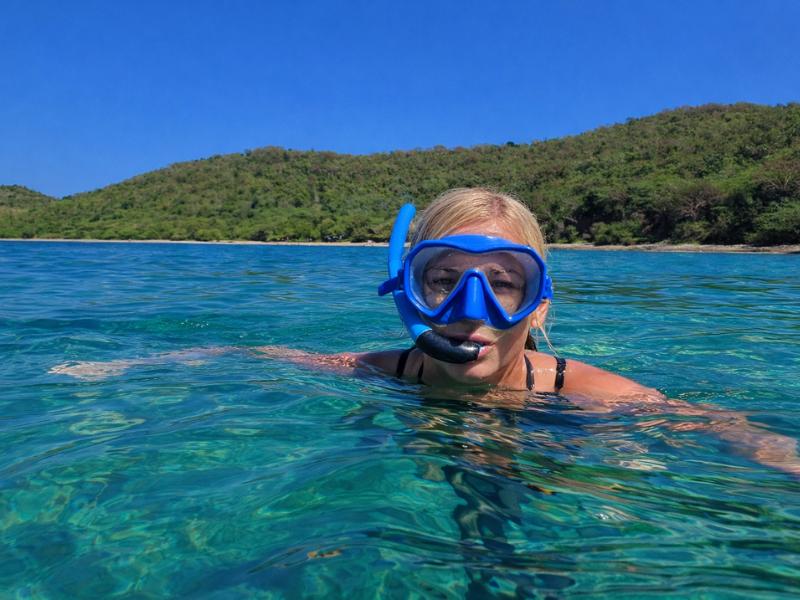
Flamenco Beach is Culebra’s iconic white-sand destination, while Tamarindo Beach is the island’s top spot for snorkeling with sea turtles - each offers a completely different experience.
Ferry tickets, island transport, guided Tamarindo shore snorkeling, gear, snacks and Flamenco entry. Lunch extra. Explore Culebra Snorkel with Turtles & Flamenco Beach Adventure by Ferry
Flamenco Beach is for sand, swimming, and the full beach day experience: facilities, food kiosks, lifeguards, and one of the world’s genuinely best stretches of white sand. Tamarindo Beach is for snorkeling with sea turtles: rocky shore, no facilities, shallow protected water with sea grass beds where wild turtles graze throughout the day. They are not competitors. They are the two best reasons to stay more than one day on Culebra. If you have to pick one, pick Flamenco first. If you have two days, spend a morning at each.
Booking Choice: Ceiba ferry terminal; return to Ceiba. Check Dates For Tamarindo And Flamenco By Ferry
Flamenco Beach vs Tamarindo Beach: Side-by-Side
| Beach type | Powdery white sand, 1-mile horseshoe bay | Mix of sand, pebbles, and coral rock |
| Swimming | Excellent. Reef-protected, calm, shallow water. | Good but secondary. Rocky entry requires water shoes. |
| Snorkeling | Good. Reef at eastern end (“Shark Cages”). Fish diversity. | Better. Sea turtles in sea grass. Part of Luis Peña Reserve. |
| Sea turtles | Occasional. Not the main draw. | Consistent. Multiple turtles grazing sea grass most days. |
| Facilities | Full: bathrooms, showers, kiosks, lifeguards, chair rentals | None. Bring everything including water and food. |
| Entry fee | $2 per person + $5 parking | Free. Roadside parking. |
| Crowds | More visitors. Busier on weekends and holidays. | Quieter. Fewer visitors by design. |
| Families with kids | Better. Safe shallow water, lifeguards, food, shade. | Suitable for older kids who can snorkel. Not for toddlers. |
| Water shoes needed? | No | Yes. Rocky shore entry. |
| From Dewey town center | 2.5 miles (~10 min by golf cart or taxi) | ~1.5 miles (~5 min by golf cart) |
| Best time of day | Morning for best light and fewer crowds | Morning for clearest visibility and most turtle activity |
| Best for | Beach days, swimming, photos, families, day trippers | Wildlife snorkeling, turtle encounters, nature-focused visits |
Data verified July 2026.
What Is the Core Difference Between Flamenco and Tamarindo?
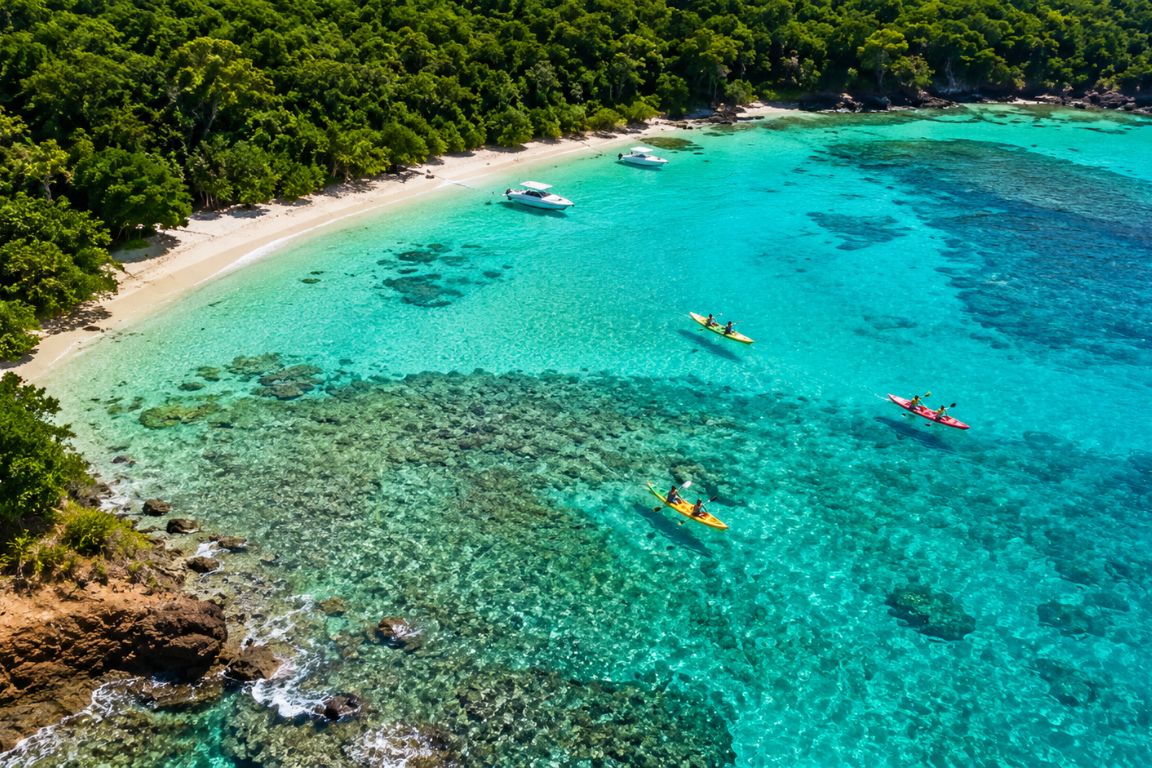 Flamenco Beach is a world-class sand beach with full facilities and calm water perfect for swimming. Tamarindo Beach is a wildlife snorkeling destination where wild sea turtles graze sea grass in shallow, protected water, with a rocky shore and no services at all. The two beaches serve completely different purposes. Choosing between them is not a matter of which is better. It is a matter of what you came to do.
The simplest way to frame this: Flamenco is the beach you come to for the experience of being at one of the world’s great beaches. The sand, the water color, the horseshoe bay with green hills framing it, the way the afternoon light changes what the water looks like from hour to hour. It is a place you come to lie down and be somewhere beautiful.
Tamarindo is the beach you come to for what is underneath the surface. The sea grass beds in the shallow protected cove draw green and hawksbill sea turtles that graze throughout the day. On a typical morning at Tamarindo, our groups regularly encounter three to five turtles within the first twenty minutes in the water. The snorkeling is not the most technically impressive on the island (Carlos Rosario holds that distinction) but the turtle encounters are the most reliable and the most accessible. You walk in from the shore in water shallow enough to stand in, and the turtles are there.
Both beaches sit within the Luis Peña Channel Natural Reserve, Puerto Rico’s first no-take marine reserve. Nothing is caught here. The result over decades is the kind of marine life density and behavior that feels almost relaxed around humans, because in these protected waters humans have proven themselves non-threatening over a long enough time period.
Trying to plan a Culebra trip without piecing together information from a dozen different sources? Here’s a Culebra travel guide that covers it all in one place.
Which Beach Has Better Swimming?
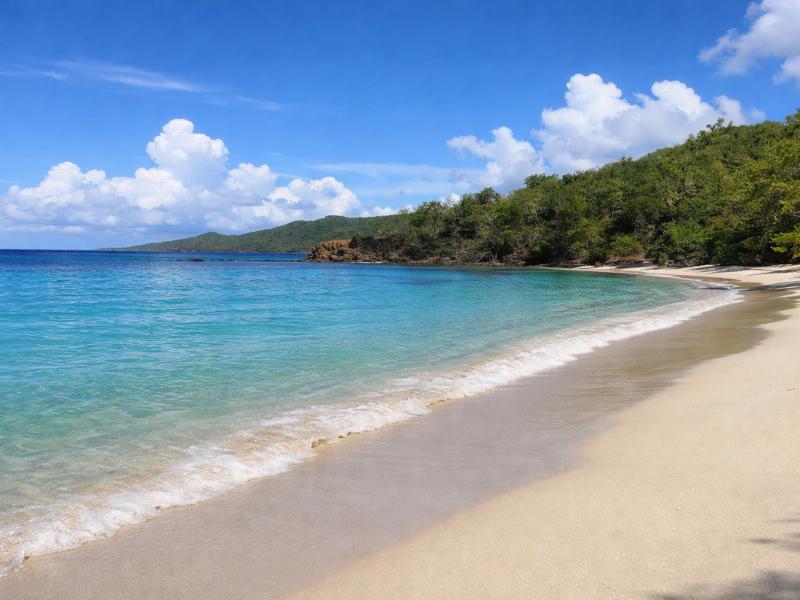
Flamenco Beach wins for swimming, easily. The reef-protected horseshoe bay keeps the water nearly flat year-round, the entry is sandy and gradual, and the shallow section extends far enough offshore that children can stand in chest-deep water at considerable distance from the beach. Tamarindo’s water entry is rocky and pebbly, requires water shoes, and drops off more quickly. It is swimmable, but it is not a swimming beach in the way Flamenco is.
At Flamenco, you walk off the sand into water that barely registers when you step in. Warm, flat, and clear enough to see your feet on the sandy bottom in waist-deep water. The Blue Flag certification reflects real standards around water quality, safety, and facilities. The lifeguards on duty during daytime hours are a meaningful addition for families. In winter, Atlantic swell can occasionally push through and conditions can deteriorate quickly; watch the flag system and follow lifeguard guidance on rough days.
Tamarindo’s shore is a mix of sand, coral pebble, and rock. The entry requires picking your way across the bottom, which is why water shoes are not optional here. Once you are in past the first few feet, the water calms and becomes swimmable, but the experience is nothing like Flamenco’s gentle sandy entry. Tamarindo is worth the inconvenience for the turtles. It is not worth it if swimming is your primary goal.
Not sure what makes Flamenco Beach worth the trip or how to visit without the crowds ruining it? This Flamenco Beach guide covers the best times to go, what to bring, and where to set up.
Which Beach Has Better Snorkeling?
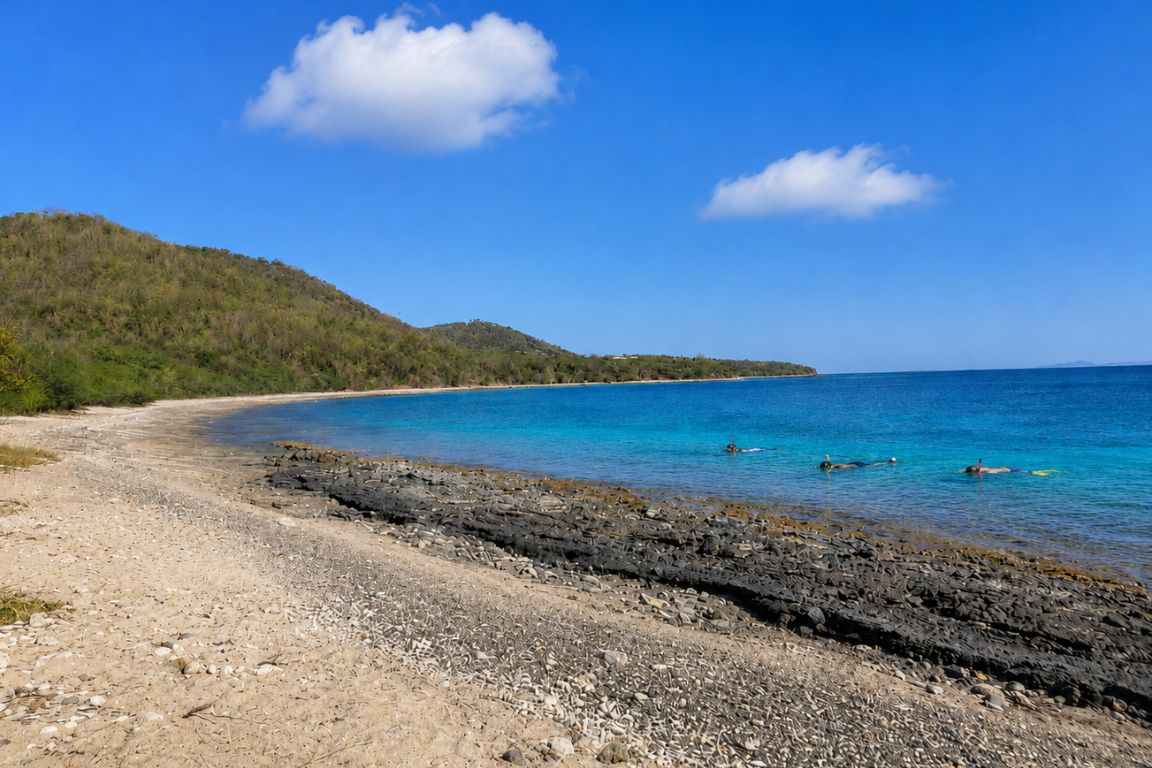 Tamarindo wins for the specific experience of snorkeling with sea turtles. Flamenco wins for overall reef fish diversity at its eastern end. For beginners who want their first memorable underwater encounter, Tamarindo’s shallow turtle habitat is ideal. For experienced snorkelers who want reef structure, fish density, and greater depth, Flamenco’s eastern reef or, better yet, the Carlos Rosario trail from Flamenco’s parking lot, is the stronger option.
Tamarindo’s snorkeling appeal rests almost entirely on the turtles. The sea grass beds that fill the shallow cove are a natural feeding ground for green and hawksbill sea turtles. They are not trained or drawn by food. They are wild animals going about their day in a protected habitat where they are consistently treated with respect. When you float above a turtle grazing calmly in water shallow enough that you can see every detail without a dive, and it barely acknowledges your presence before continuing, that is an encounter that snorkeling near a reef wall cannot replicate.
The technique at Tamarindo is specific. Enter from one of the sandy gaps along the shore rather than the rocky sections. Swim out 30 to 60 yards where the sea grass transitions to scattered coral heads. Move slowly. Keep your fins up. Good buoyancy control matters here; standing on the sea grass or disturbing the bottom clouds the visibility and stresses the habitat. Beyond turtles, expect schools of blue tang, sergeant majors, parrotfish, wrasse, and the occasional stingray in the sandy areas. The reef structure is modest compared to Carlos Rosario, but the wildlife density is higher.
Flamenco’s best snorkeling is at the eastern end of the beach near the rocks, in the channel that locals call the Shark Cages. Fish diversity there is good and accessible without any additional transit. The reef is in shallower water than Carlos Rosario and easier to reach for first-timers. For travelers who want to stay at one beach all day and snorkel from shore, the eastern end of Flamenco is a genuinely rewarding two to three hours.
Not sure which beaches have the best reef access versus which ones just look pretty from the shore? This breakdown on the best snorkeling beaches in Culebra tours tells you exactly where to get in the water.
Which Beach Is Better for Families with Kids?
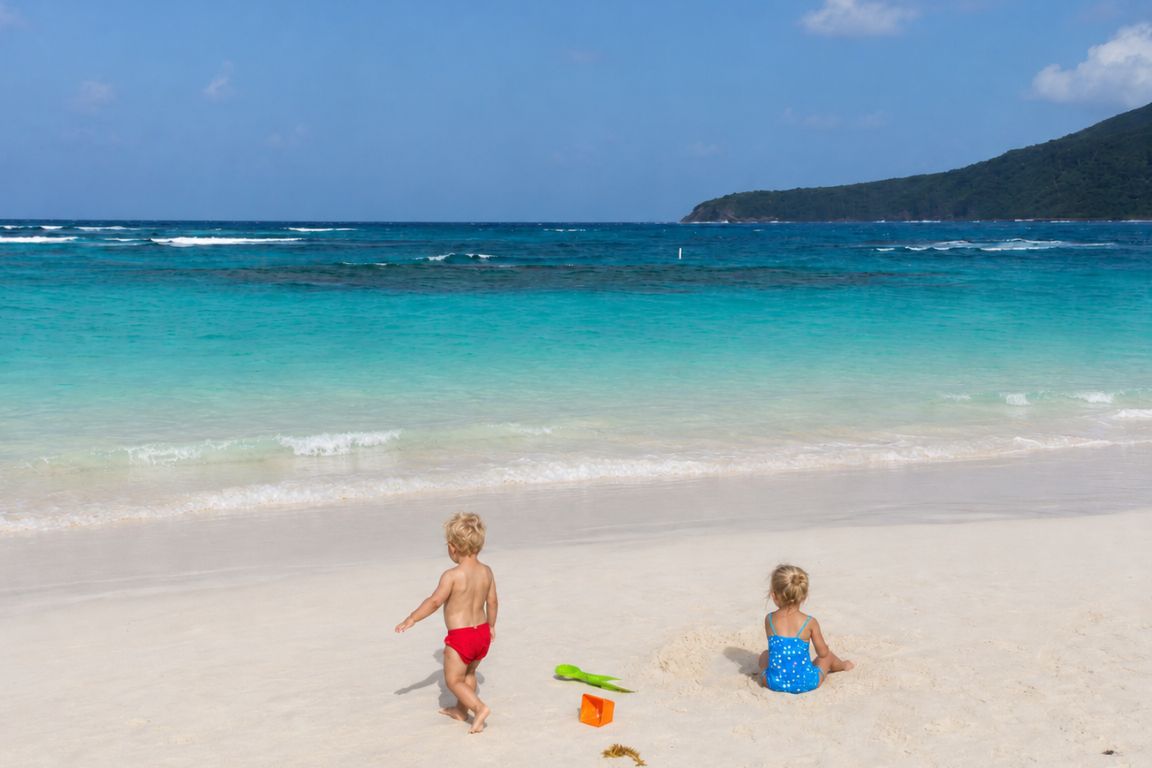 Flamenco Beach is better for families with young children. The calm, sandy, shallow water is safe for toddlers and elementary-age kids. Lifeguards are on duty. Bathrooms, showers, and kiosks are steps from the water. Tamarindo requires water shoes, has no lifeguard, drops off more quickly from shore, and has no facilities. For families with older children who can snorkel comfortably, Tamarindo delivers the kind of wildlife encounter kids describe for years.
At Flamenco, the far right end of the horseshoe, the section called El Muellecito, is particularly shallow and calm. A three-year-old can stand waist-deep in clear water with full bottom visibility. The kiosks make feeding a tired child straightforward. The lifeguards provide a safety layer that experienced beach parents appreciate. The shade trees at the back of the beach give you retreat when the midday sun gets serious. It is, operationally, one of the most family-friendly beach setups in the Caribbean.
Tamarindo with older kids, nine or ten and up who can snorkel independently, is a different kind of family experience. Watching a child encounter their first wild sea turtle in shallow water, floating above it as it grazes unconcerned, is one of those travel memories that becomes part of family mythology. The rocky entry is manageable with water shoes. The absence of facilities means bringing your own water, food, and sunscreen. Plan for a two to three hour visit rather than a full day, and combine it with Flamenco on the same trip for a complete Culebra family day.
Trying to build a Culebra itinerary that keeps the kids engaged without turning every day into a survival exercise? Here’s Culebra tours with kids so you find the right balance.
Which Beach Is Easier to Get To?
Tamarindo is slightly closer to Dewey, about 1.5 miles versus Flamenco’s 2.5 miles, and has free roadside parking. Flamenco requires paying $5 for the parking lot plus the $2 per-person entry fee. Both are accessible by golf cart, Jeep, taxi, or e-bike from Dewey. Neither requires a boat or a hike. For day trippers arriving without a rental vehicle, a $5 taxi goes to Flamenco from the ferry dock; reaching Tamarindo by taxi is possible but less automatic.
The practical difference for most visitors: Flamenco has more infrastructure at every step of the journey. Taxis wait at the ferry dock specifically to run people to Flamenco. The parking lot at Flamenco is organized. The gate is staffed. Tamarindo involves driving past Flamenco on the road toward the west coast, finding the turn, and parking along the roadside. It is not difficult with a vehicle, but it requires slightly more orientation.
One important note: Tamarindo has no lifeguard and no facilities. Swim at your own risk and never snorkel alone. The water is generally calm, but the absence of oversight means you are responsible for your own safety and the safety of your group. Bring more water than you think you need, especially if you plan to stay more than an hour or two.
The island rewards travelers who do a little planning upfront. Here’s how to visit Culebra tours so you arrive knowing exactly what to expect.
Which Beach Is Better for a Full Day?
 Flamenco wins for a full day. It has everything needed to spend eight hours at the beach: food and drinks, shade, facilities, swimming in the morning, snorkeling in the afternoon, a long walk to the tanks at the western end, and a view that holds up all day as the light shifts. Tamarindo is a two to three hour beach at most. The lack of shade, food, and bathrooms limits how long most visitors want to stay.
A full day at Flamenco looks like this: arrive early before 10 AM when the light is best and the beach is at its quietest. Set up near the tree line for afternoon shade access. Swim in the calm, shallow water through the morning. Snorkel the eastern reef channel after 11 AM when the sun angle improves underwater visibility. Eat at the kiosks for lunch. Walk the full mile of beach to the western end to photograph the tanks. Return for an afternoon swim in the slightly warmer afternoon water. Leave by 4:45 PM to reach the ferry dock for the 5:30 PM return. That schedule fills the day without gaps and without boredom.
Tamarindo fills a morning beautifully and not much else. Two to three hours in the water with turtles, time to dry off and admire the view of Cayo Luis Peña across the channel, and then the absence of shade, food, and bathrooms starts to feel real. Most visitors who plan a “full day at Tamarindo” end up heading to Flamenco or Dewey by early afternoon out of logistical necessity rather than preference.
One day is enough to fall in love with this island if you plan it right. Here’s a full Culebra day trip guide so you make the most of every hour you have there.
How Our Guided Groups Split Their Beach Time
From our 15,400+ guided travelers, the pattern of how groups use these two beaches is consistent across seasons and trip lengths.
| Flamenco full day, Tamarindo skipped | 34% | Good trip. Common regret: “I wish I’d gone to see the turtles.” |
| Flamenco morning + Tamarindo afternoon (same day) | 41% | Best single-day Culebra experience. Highest satisfaction scores. |
| Tamarindo full morning, Flamenco afternoon | 18% | Works well. Some groups prefer turtles first while energy is highest. |
| Tamarindo only, Flamenco skipped | 7% | Rare. Usually experienced returnees who have done Flamenco before. |
Can You Visit Both in One Trip?
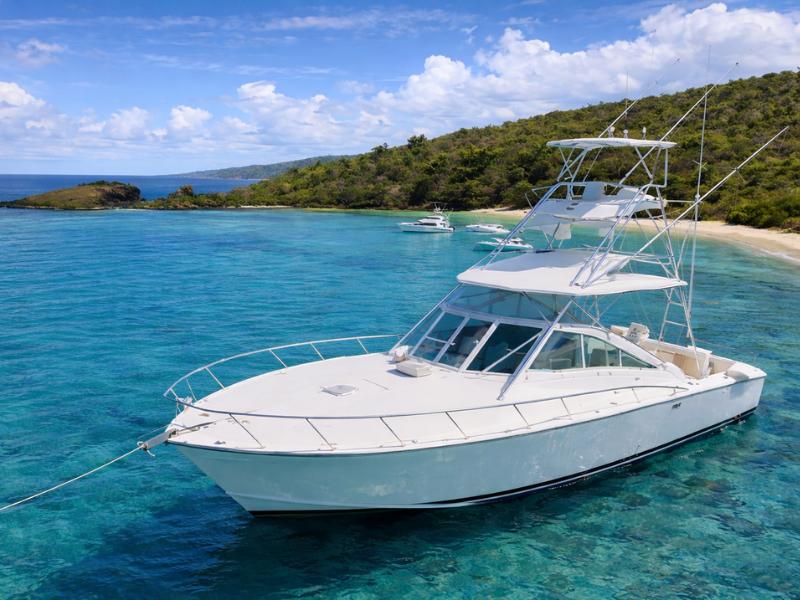
Yes, easily, and it is the recommended approach for almost every visitor to Culebra. Flamenco and Tamarindo are about ten minutes apart by golf cart. The standard sequence: Flamenco in the morning, Tamarindo after lunch, or Tamarindo first for the turtle snorkeling when your energy is highest, then Flamenco for the afternoon swim and sunset light. Both in one day is genuinely achievable and gives you the two defining experiences Culebra offers.
The logistics are simple. Both beaches are on the western side of the island. Tamarindo sits between Dewey and Flamenco on the road to the north. A golf cart rented in Dewey reaches Tamarindo in about five minutes and Flamenco in about ten. The route naturally runs through Tamarindo on the way to Flamenco, which makes the combination obvious once you know the geography.
Day trippers with a five to six hour window can do both if the schedule is planned precisely. Arrive in Dewey at 11 AM, taxi or golf cart to Tamarindo first for 45 to 60 minutes of turtle snorkeling, continue to Flamenco for the remainder of the afternoon, leave Flamenco by 4:45 PM. That schedule works on paper and in practice, though it is tighter than ideal. For travelers with more time, and especially for overnight visitors, there is no reason to rush either beach. Give Tamarindo a proper morning and Flamenco a full afternoon on separate days.
A golf cart is hands down the best way to get around Culebra and the right rental makes a big difference. Here’s a guide to the best golf cart rentals in Culebra tours so you book the right one before they sell out.
Which Beach Should You Actually Choose?
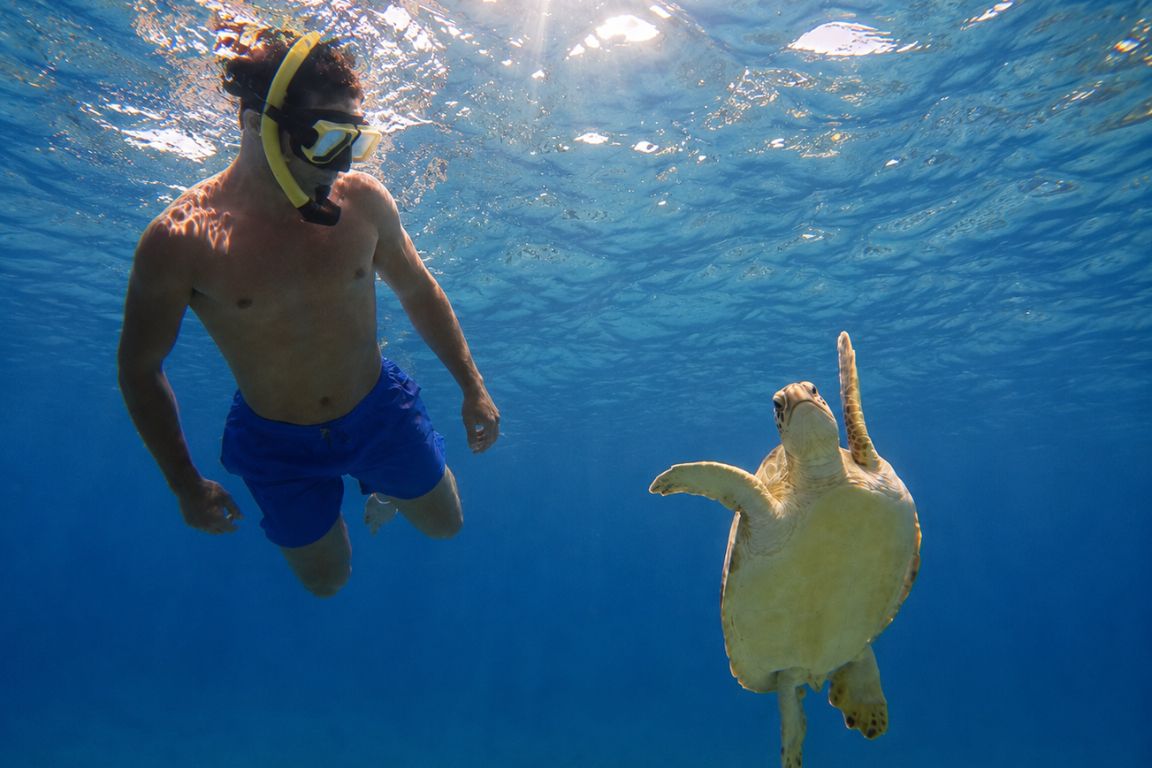 Choose Flamenco for your first visit or your only full beach day. It is one of the world’s genuinely great beaches, has everything you need for a comfortable day, and delivers the visual experience of Culebra that makes people understand why the island has the reputation it has. Choose Tamarindo when wildlife matters more than sand, when snorkeling with sea turtles is on your list, or when you have already done Flamenco and want to go deeper into what Culebra’s waters offer.
The travelers who try to rank these beaches against each other are usually asking the wrong question. They serve different purposes for different hours of the same day. Flamenco does what a beach should do: it is beautiful, comfortable, and completely absorbing. Tamarindo does something a beach cannot: it puts you in the water with wild animals going about their lives in a protected marine reserve. Both experiences are available on the same island within ten minutes of each other.
If forced to choose for a single half-day, the answer is Flamenco almost every time. Flamenco is irreplaceable as a beach. Tamarindo’s sea turtle snorkeling, while extraordinary, has equivalents elsewhere in the Caribbean. Flamenco Beach at 9 AM on a February Tuesday, the horseshoe empty and the water doing that specific color thing that photographs always fail to reproduce accurately, has no equivalent anywhere we have been in twelve years of guiding travelers.
But if you are here for two days or more, skipping Tamarindo is a mistake. The turtles are there. The reserve is healthy. The combination of Flamenco’s sand and Tamarindo’s sea life is what makes Culebra more than just another Caribbean beach destination.
Not sure which beaches are worth the effort to reach versus which ones you can skip? This breakdown on the best beaches in Culebra tours tells you exactly where to spend your sand time.
Frequently Asked Questions
Is Tamarindo Beach better than Flamenco Beach for snorkeling?
For sea turtle encounters specifically, yes. Tamarindo’s shallow sea grass beds consistently produce multiple turtle sightings per visit. Flamenco’s eastern reef has better overall fish diversity. For the best reef snorkeling on the island, Carlos Rosario Beach (accessible by trail from Flamenco’s parking lot) surpasses both.
Do you need water shoes at Tamarindo Beach?
Yes. The shore at Tamarindo is a mix of sand, coral pebble, and rock that is uncomfortable and potentially sharp without foot protection. Water shoes or snorkel fins covering the foot make the entry significantly more comfortable and protect the reef from accidental contact.
Can you see sea turtles at Flamenco Beach?
Occasionally, yes. Turtles pass through the waters around Flamenco, particularly at the eastern reef end. But Tamarindo is the reliable turtle beach, where sea grass beds create a consistent feeding habitat. If seeing turtles is the goal, plan specifically for Tamarindo.
How far is Tamarindo Beach from Flamenco Beach?
About ten minutes by golf cart. Tamarindo sits between Dewey and Flamenco on the road running along the island’s western shore. You pass Tamarindo on the way to Flamenco, which makes combining both beaches natural and efficient.
Is Tamarindo Beach good for kids?
For older children who can snorkel, yes. The shallow water and sea turtle encounters are memorable for kids aged 8 and up. For younger children or toddlers, Flamenco Beach is significantly better: sandy entry, lifeguards, and facilities make it far more practical for families with small children.
Want to experience both beaches in one trip?
Written by Camila Elena Ramirez
Puerto Rican tour guide since 2014 · Founder, Culebra Tours
Camila has guided over 15,400 travelers through Culebra and the Spanish Virgin Islands since founding the agency.