Ferry to Culebra Guide
The Culebra ferry departs from Ceiba, takes about an hour, and is the cheapest way to reach the island, but booking early is essential, especially for weekends and holidays.
Round-trip shuttle and ferry tickets; independent island time. Taxis, rentals, activities, lunch and beach entry cost extra. Explore Culebra Ferry Tickets & Round-Trip Transport from San Juan
The ferry to Culebra departs from the Ceiba Ferry Terminal (not Fajardo, not San Juan). Adult non-resident fare is $2.25 each way plus a $2 environmental preservation fee. The crossing takes about 1 hour on the passenger ferry. Book tickets online at puertoricoferry.com or via the City Experiences app; they release 30 to 90 days out and sell out fast on weekends and holidays. Arrive at Ceiba at least 1 hour before departure. Board in a shirt and shorts, not a swimsuit. Take seasickness medication at least 1 hour before boarding if you are prone to motion sickness. Buy both legs at the same time.
Booking Choice: Designated San Juan pickup; return to San Juan. Check Dates For The San Juan Ferry Package
Ferry to Culebra: Fast Facts
| Departure terminal | Ceiba Ferry Terminal, Marina Dr., Roosevelt Roads, Ceiba PR 00735 |
| Terminal from San Juan | ~75-90 min by car. Not from Fajardo. Not from San Juan harbor. |
| Ferry operator | Puerto Rico Ferry (operated by Hornblower/HMS Ferries) |
| Adult fare (non-resident, one-way) | $2.25 + $2.00 environmental preservation fee = ~$4.25 total |
| Senior fare (60-74) | $1.00 per person each way |
| Senior fare (75+) | Free (must show ID, purchase at ticket window) |
| Crossing duration | ~1 hour (passenger ferry) / ~1.5 hours (cargo-passenger ferry) |
| Ticket booking window | 30 to 90 days before travel date. Online or in-person at terminal. |
| Where to book online | puertoricoferry.com or City Experiences app |
| Arrive at terminal | At least 1 hour before departure. Check-in closes 10 min before. |
| Terminal parking | ~$5-$11 per day. Shuttle runs between lot and terminal. |
| Dress code on board | Shirt and shorts required. No swimsuits. No see-through cover-ups. |
| Can you bring a rental car? | No. Vehicle spaces are for Culebra residents only. |
Prices verified July 2026. Ferry price increase postponed until December 31, 2026. Check puertoricoferry.com for current fares.
How Does the Ferry to Culebra Work?
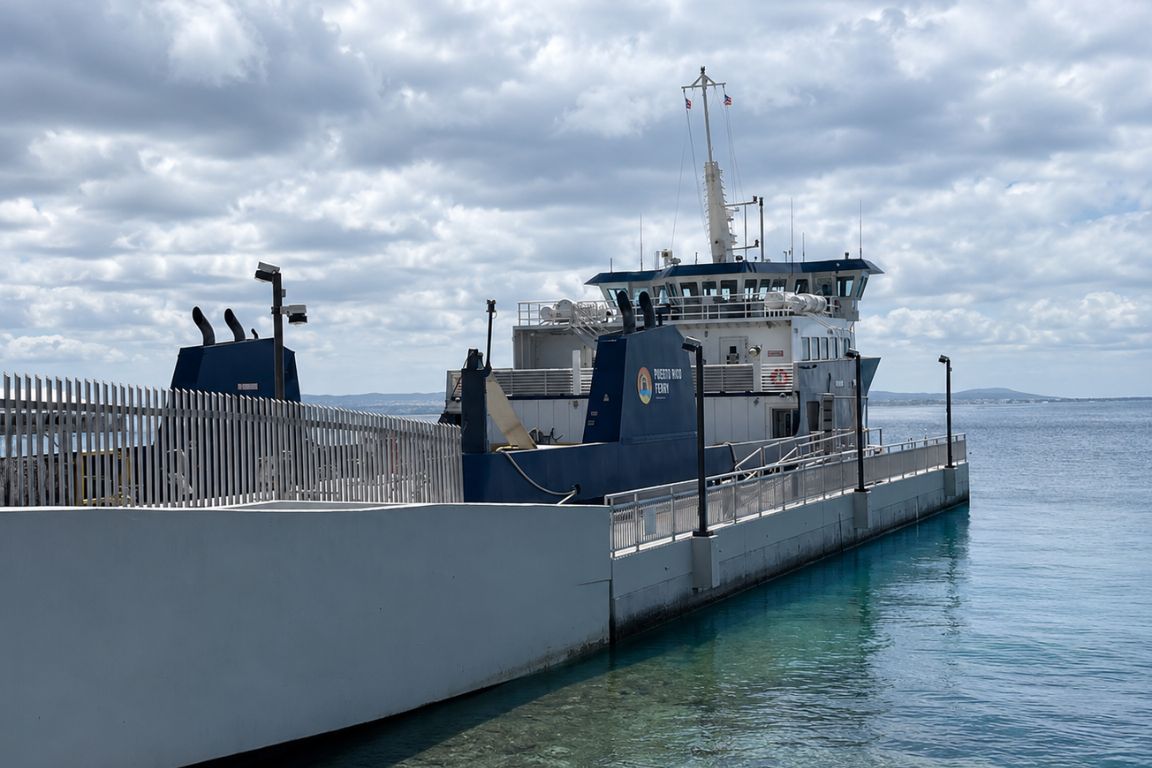 The ferry to Culebra is a public passenger boat service run by Puerto Rico Ferry (operated by Hornblower) between the Ceiba Ferry Terminal on the Puerto Rico mainland and the town of Dewey on Culebra. It is the cheapest way to reach the island, running about $4.25 per adult each way including the environmental fee. Tickets are released online 30 to 90 days before travel, sell out fast on peak weekends and holidays, and must be booked in advance to avoid being turned away at the dock.
This is not a tourist ferry. It is the primary transport link for Culebra’s roughly 2,000 permanent residents, who use it to get to and from the mainland for medical appointments, supplies, and daily life. That context explains a few things that catch first-time visitors off guard: residents board first, the schedule reflects island needs rather than tourist convenience, and the system is not optimized for people who show up without planning. Understand this and the ferry becomes an interesting part of the trip. Miss it and the ferry becomes the reason you did not make it to Flamenco Beach.
Two types of ferries serve the Ceiba-Culebra route. The passenger ferry carries people only, crosses in about one hour, and is the faster option. The cargo-passenger ferry carries both passengers and freight and takes about 1.5 hours. Check which vessel is operating on your departure when you book; schedules vary by day and season and the Puerto Rico Ferry website publishes the official vessel itineraries monthly.
The ferry is operated under contract by Hornblower/HMS Ferries on behalf of Puerto Rico’s Autoridad de Transporte Integrado (ATI). All official ticket purchases go through puertoricoferry.com or the City Experiences app. Third-party resellers exist but buy from the same pool of available seats, so there is no advantage to using them and some disadvantage in terms of fee transparency.
Trying to plan a Culebra trip without the usual tourist headaches? Here’s how to visit Culebra tours so you spend your time on the beach and not sorting out logistics on the ground.
Where Does the Ferry to Culebra Depart From?
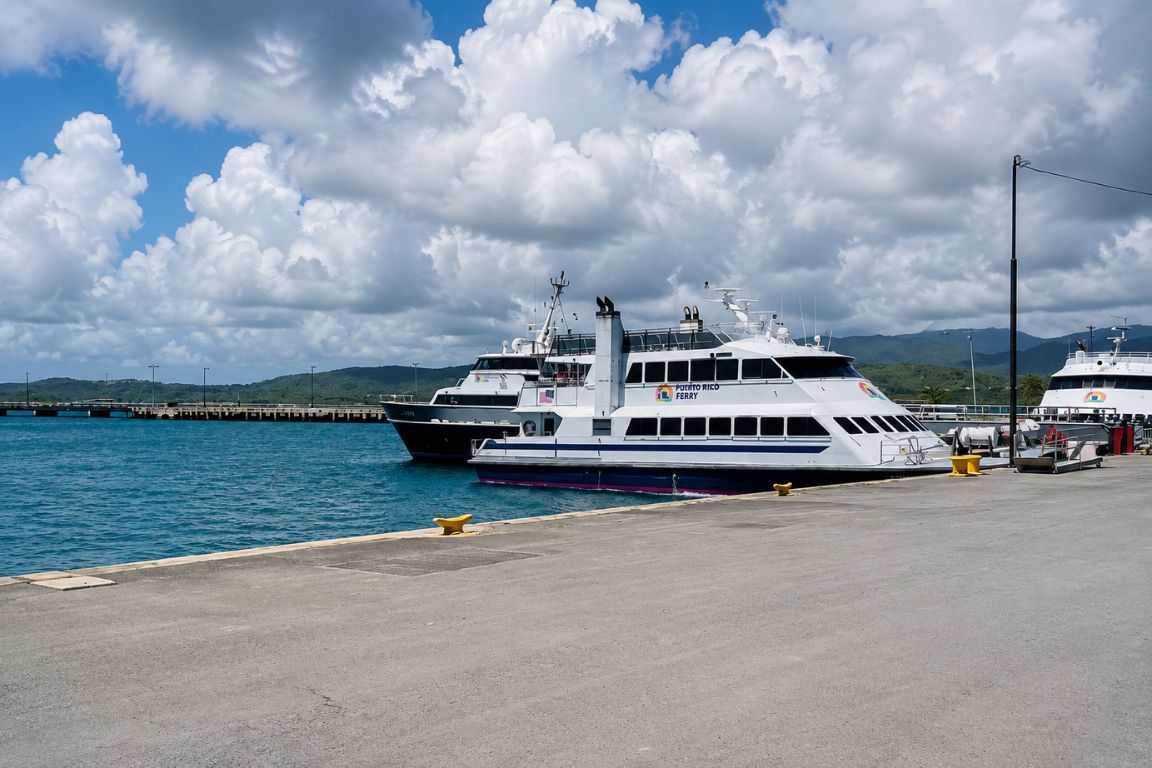 The ferry departs from the Ceiba Ferry Terminal, officially known as the Roosevelt Roads Terminal, located at Marina Drive in the former US Naval Station Roosevelt Roads in Ceiba, Puerto Rico. This is not Fajardo, where ferries ran for decades until 2018. If your GPS or your travel research is directing you to Fajardo, correct it now. The Ceiba terminal is about 75 to 90 minutes from San Juan by car, 10 to 15 minutes from Fajardo.
The Fajardo confusion is the most common navigation mistake on the Culebra trip and it costs travelers their ferry. Ferries moved to Ceiba in October 2018. The two terminals are not far apart, but they are not the same and the Ceiba ferry will not wait for you if you drove to Fajardo first. Save the address in your phone before you leave: Ceiba Ferry Terminal, Marina Dr., Roosevelt Roads, Ceiba, PR 00735.
From San Juan International Airport , the drive runs about 75 to 90 minutes on Route 26 east to Route 66 east to Route 3 east toward Fajardo, then south to Ceiba. Build in buffer for traffic, particularly on Friday evenings and Saturday mornings when the weekend rush toward the east coast begins. A taxi from SJU to Ceiba runs $80 to $100 each way. Uber availability at Ceiba on the return trip after dark is unreliable; arrange your return transport before traveling.
The terminal has a waiting room, bathrooms, a small concession stand for snacks and drinks, and ticket windows on the exterior wall. Parking is available nearby for about $5 to $11 per day, with a shuttle running between the lot and the terminal building. This shuttle is free but adds 5 to 10 minutes to your arrival time; factor it in when planning your departure from wherever you are staying on the mainland.
Still undecided on how to get there? This guide on flight vs ferry to Culebra gives you a straight answer based on timing, cost, and what most travelers end up choosing.
What Is the Ferry Schedule and How Long Is the Crossing?
The Ceiba-Culebra ferry typically runs three to four times daily in each direction, with schedules varying seasonally. A typical departure pattern from Ceiba to Culebra includes early morning, mid-morning, early afternoon, and sometimes an afternoon departure on certain days. The return schedule from Culebra to Ceiba mirrors this with early morning, midday, afternoon, and on some days an early evening sailing. Always verify the current schedule at puertoricoferry.com before booking; schedules change monthly and are subject to weather-related modifications.
The crossing takes about one hour on the passenger ferry in normal conditions. In winter when Atlantic swell is running, the crossing can feel significantly longer even if the clock says the same. The cargo-passenger ferry, which carries freight as well as passengers, runs roughly 1.5 hours. It is slower, sometimes smoother in rough water because of its greater draft, and less comfortable for day trippers in a hurry.
The schedule is organized around island life, not tourist convenience. The earliest departures from Ceiba serve residents heading to the mainland for morning appointments. The later afternoon returns serve residents coming back after work. The tourist-friendly departure window is the mid-morning boat from Ceiba, typically around 9 or 10 AM, which arrives in Dewey around 10 or 11 AM and leaves day trippers a full afternoon before the 5 or 5:30 PM return. Check the specific timing for your travel date at puertoricoferry.com; do not rely on general schedules published in travel blogs which are frequently out of date.
Weather-related cancellations happen. In winter, Atlantic fronts can produce sea conditions that make the crossing unsafe. When a ferry is cancelled, the next available sailing fills immediately. The only protection against a cancelled ferry ruining your trip is a flexible itinerary that does not depend on catching the exact boat you planned for. Overnight visitors are far less exposed to this risk than day trippers, because a day tripper who misses the return ferry has an unplanned overnight ahead of them.
Not sure if a day trip is enough or whether you’re better off staying overnight? This Culebra day trip guide helps you decide and plan whichever way you go.
| Passenger ferry | ~1 hour | Yes | No | Faster crossing. Preferred for day trippers. |
| Cargo-passenger ferry | ~1.5 hours | Yes | Residents only | Slower. Carries freight. Tourist rental cars not permitted. |
Schedule verified July 2026. Always confirm at puertoricoferry.com before travel.
How Much Does the Ferry to Culebra Cost?
The adult non-resident fare is $2.25 each way plus a $2.00 environmental preservation fee that Culebra charges non-residents, bringing the total to approximately $4.25 per person one-way or $8.50 round-trip. Seniors 60 to 74 pay $1.00 per trip. Seniors 75 and older ride free but must show ID and purchase at the terminal ticket window. Children ages 3 to 10 pay the reduced rate. Infants under 3 ride free. Extra luggage, coolers, bikes, and surf boards carry additional fees that must be added at the time of purchase.
The ferry fare is genuinely one of the great transportation bargains in the Caribbean. At $4.25 round-trip for the passenger crossing alone, it is hard to justify the math of any complaint about the cost. The total expense of reaching Culebra by ferry is not the ferry ticket; it is the ground transport to Ceiba (rental car, taxi, or shuttle), the parking if you drove, and the on-island transportation once you arrive. Those costs dwarf the ferry fare itself.
A note on the environmental preservation fee: the $2 per person charge applies to non-residents and was introduced in early 2024. It is collected as part of the ferry ticket purchase, not separately at the dock. It funds environmental conservation on the island. Culebra residents are exempt. The fee applies by air as well as by sea when visiting the island.
A proposed fare increase was scheduled to take effect in May 2026 but has been postponed until at least December 31, 2026. Check puertoricoferry.com for the most current pricing before travel.
Culebra moves at a slower pace than most Caribbean destinations and that works in favor of older travelers. Here’s a guide to Culebra tours for seniors so you know which experiences are worth the trip and which ones to skip.
How Do You Buy Ferry Tickets to Culebra?

Buy tickets online through puertoricoferry.com or the City Experiences app, which is the same platform. Tickets release 30 to 90 days before the travel date. For peak season weekends, holidays, and the Christmas to New Year window, buy on the first day the window opens. For shoulder season midweek trips, two to three weeks ahead is usually sufficient. Walk-up tickets at the Ceiba terminal window exist but are limited; do not rely on them for popular dates.
The online system releases a portion of seats per sailing. When those show as sold out online, a separate allocation of walk-up tickets exists at the terminal window. This means a sailing that appears sold out online may still have seats available in person at the dock. The catch is that to access those walk-up tickets, you need to be at the terminal early enough to be near the front of the line when the window opens, which on busy days means arriving 2 to 3 hours before departure.
For the vast majority of travelers, online booking is the right move. It guarantees your seat, eliminates the line, allows digital ticketing on your phone, and lets you handle both the outbound and return leg in a single session. Buy both legs simultaneously. This bears repeating because the Sunday return from Culebra is the tightest ticket of the entire week, and travelers who bought only the outbound leg and assumed the return would be manageable have spent unplanned nights on the island.
A service called FerryAlert monitors the Puerto Rico Ferry system 24/7 and sends email notifications the moment new ticket inventory goes live for specific travel months. For peak season trips where you keep checking and finding sold-out departures, this tool is worth knowing about.
Additional items that must be added and paid for at the time of ticket purchase: extra luggage beyond the included small carry-on, coolers, bikes, surfboards, beach chairs, and other oversized items. Adding these at the dock on the day of travel requires standing in a separate line and slows the boarding process. Add them during online checkout.
Still deciding when to book your ferry and accommodation? This guide on the best time to visit Culebra tours gives you a clear answer based on what most travelers actually prioritize.
What Should You Know Before Boarding the Ferry?
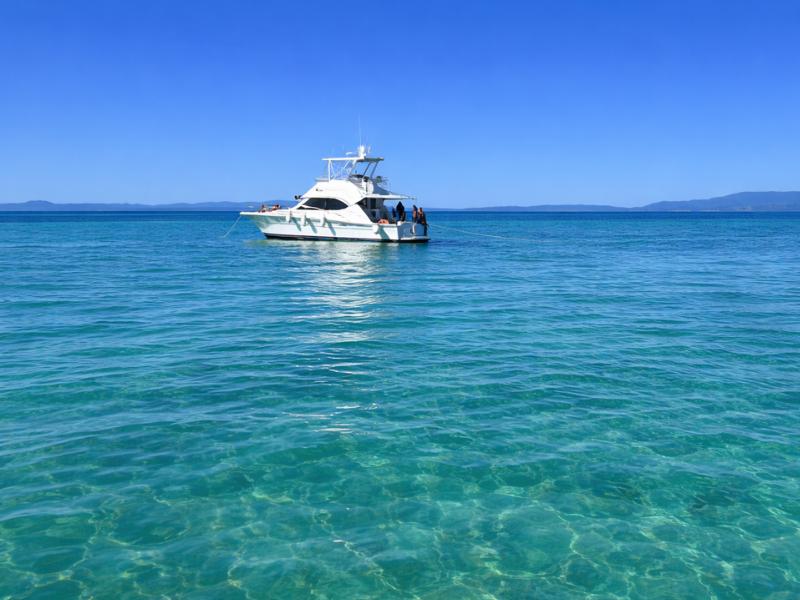
Three rules catch travelers off guard: you cannot board in a swimsuit (shirt and shorts or proper cover-up required), rental cars cannot go on the ferry regardless of what you read elsewhere, and the ferry gives boarding priority to residents before non-residents. Arrive 1 hour early, have your ticket ready on your phone, take seasickness medication if there is any chance you need it, and bring a layer for the air-conditioned lower deck.
The dress code is a real rule that is enforced at the terminal. Swimsuits, bikinis, and see-through cover-ups are not permitted at the ferry terminal or on the vessel. Wear a shirt and shorts or a solid cover-up over your swimwear. Pack a dry set of clothes in your bag so the return trip is comfortable after a day at the beach; sitting in a wet swimsuit in an air-conditioned lower deck for 90 minutes in January is one of those avoidable discomforts that experienced Culebra travelers have all had once.
The air conditioning on the lower deck is genuinely cold. The locals know this and bring hoodies and blankets. First-time visitors in beach gear often end up huddled near the bathrooms. Bring a light layer. Alternatively, sit on the upper open deck where the sea air keeps the temperature comfortable and the views of the cays on the approach to Culebra are excellent.
Seasickness medication should be taken at least one hour before boarding, not when the boat starts rocking. Dramamine, Bonine, or equivalent; pick your preferred format and take it with the reliability it deserves. The crossing eastbound, from Ceiba toward Culebra, runs against the Atlantic swell and is rougher than the return leg. Sitting mid-ship and keeping your eyes on the horizon helps. Sitting on the outdoor upper deck helps more. Avoiding breakfast immediately before a rough crossing helps most.
Boarding priority goes to pregnant women, seniors, people with disabilities, veterans, and island residents. Non-residents board after. This means a significant portion of the boat fills before tourist passengers are called. Being in the waiting area early does not change this order, but being there early means you know what is happening and have a seat when your group is called rather than scrambling.
The island is small but there’s more to plan than most people expect. Here’s a Culebra travel guide so you show up with a solid plan and zero wasted days.
What We Know From Guiding 15,400 Travelers Through the Ferry System
The patterns in what goes wrong and what goes right on the Culebra ferry are consistent across twelve years of observations.
| Arrived at Fajardo instead of Ceiba | 8% | Save Ceiba Ferry Terminal address before leaving. Not Fajardo. |
| Did not buy return ticket; stranded or delayed | 12% | Buy both legs at purchase. Sunday returns fill first. |
| Seasickness affected trip | 19% | Take medication 1 hour before boarding. Sit upper deck. |
| Arrived too late; missed ferry or rushed boarding | 14% | Arrive 1 hour before departure. Check-in closes 10 min prior. |
| Forgot cash on island; ATM empty | 23% | Withdraw $100+ per person before leaving the mainland. |
What Happens When You Arrive in Culebra by Ferry?
 The ferry docks in Dewey, Culebra’s only town. Taxis (públicos) wait immediately outside the terminal and charge $5 per person to Flamenco Beach. Golf cart and Jeep rental counters are within walking distance of the dock. The island’s one ATM is at Banco Popular in Dewey, a short walk from the terminal. If you have a vehicle rental reserved, confirm pickup logistics with the company in advance; some are near the airport rather than the dock.
The Dewey dock is small and the scene after a ferry unloads is briefly chaotic: everyone arrives at the same time, taxi drivers are calling out destinations, rental company reps may be waiting with name signs, and the road out of the terminal area is narrow. The sequence that works smoothly: collect your bags, walk past the terminal building toward the road, find the line for shared taxis to Flamenco, pay $5 per person in cash, and be at the beach within 15 minutes. That sequence requires cash, which is why withdrawing before you leave the mainland matters.
If you have a vehicle rental reserved, confirm whether the company delivers to the dock or operates from a location near the airport. Jerry’s Jeep Rental, across the street from the airport, is a short walk or golf cart ride from the dock. Carlos Jeep Rental operates similarly. In peak season, rental vehicles are sometimes limited; travelers who assumed a golf cart would be available on arrival and did not reserve have been disappointed.
The Banco Popular ATM in Dewey is the only machine on the island. It runs empty on busy weekends and holidays. The taxi to Flamenco is cash. The kiosks at Flamenco are cash-preferred. The taxi back to the dock is cash. Withdraw $100 to $150 per person from a mainland ATM before you board. This single action eliminates the most common practical problem we hear about from travelers on their return ferry.
We’ve got a full Flamenco Beach guide if you want to know exactly how to get there, what facilities are available, and which parts of the beach are worth seeking out beyond the main stretch.
What Are the Most Common Ferry Mistakes to Avoid?

The five mistakes that most reliably ruin a Culebra ferry experience: going to Fajardo instead of Ceiba, not buying the return ticket when you buy the outbound, skipping seasickness medication, arriving at Ceiba less than an hour before departure, and not bringing cash. These are all avoidable with one hour of planning the night before the trip.
Going to Fajardo is the ghost of the pre-2018 ferry system haunting travelers in 2026. The ferries moved to Ceiba in October 2018. Any guide, blog post, or advice from someone who visited before that date that says “take the ferry from Fajardo” is wrong. The two terminals are 10 to 15 minutes apart, but in the morning when you are trying to catch a specific departure, 15 minutes is enough to miss the boat. Address your GPS correctly before you leave.
Skipping the return ticket purchase is the mistake with the most visible consequences. Sunday afternoon departures from Culebra are the most heavily booked of the entire week. Every day-tripper, every extended-stay visitor, and every traveler whose Friday return was cancelled by weather is trying to leave on Sunday. The ferry does not expand its capacity to accommodate demand. Travelers without tickets wait for a cancellation or pay for an unplanned night. Buy both legs when you book.
Not bringing cash is the quiet mistake that turns an otherwise good day slightly stressful at every transaction. The $5 taxi, the $2 Flamenco entry, the kiosk lunch, the chair rental, the tip for your guide, the taxi back, the convenience store if you need water: all cash. Withdraw before Ceiba and carry small bills.
Frequently Asked Questions
Does the ferry to Culebra still leave from Fajardo?
No. The ferry moved to the Ceiba Ferry Terminal in October 2018. Fajardo is no longer a departure point for Culebra or Vieques. The Ceiba terminal is at Marina Drive, Roosevelt Roads, Ceiba, PR 00735. If your GPS is directing you to Fajardo, correct it.
How far in advance should I buy ferry tickets to Culebra?
For peak season weekends and holidays (December through March): buy on the first day tickets become available in the 30 to 90 day booking window. For shoulder season midweek (April through June): two to three weeks ahead is usually sufficient. For low season: one week is typically fine, though midweek slots open faster than weekends at any time of year.
Can I bring my rental car on the Culebra ferry?
No. Vehicle spaces on the cargo-passenger ferry are reserved for Culebra residents who own their vehicles and must show valid license and registration. Tourist rental cars are not permitted. Leave your rental at the Ceiba terminal parking lot and rent a golf cart or Jeep once you arrive in Dewey.
What should I do if the ferry is full when I arrive at Ceiba?
If your online-booked sailing is full, you already have a seat. If you showed up without a ticket hoping for a walk-up spot, your options are to wait for a cancellation, take the next available sailing, or fly from Ceiba Airport to Culebra with Air Flamenco or Cape Air (about $50 one-way, 12 minutes). The Ceiba Airport is adjacent to the ferry terminal.
Is the ferry to Culebra rough?
It can be, particularly the eastbound Ceiba-to-Culebra crossing in winter when Atlantic swell is running. The return westbound trip is typically calmer. Take seasickness medication at least one hour before boarding if there is any possibility you need it. Sit on the outdoor upper deck or mid-ship on the lower deck. Bags are available from the crew on request.
Written by Camila Elena Ramirez
Puerto Rican tour guide since 2014 · Founder, Culebra Tours
Camila has guided over 15,400 travelers through Culebra and the Spanish Virgin Islands since founding the agency.