Culebra for Seniors
Culebra is an excellent destination for seniors, offering calm beaches, easy wildlife experiences, and a peaceful atmosphere, with a few important travel and medical considerations to plan for.
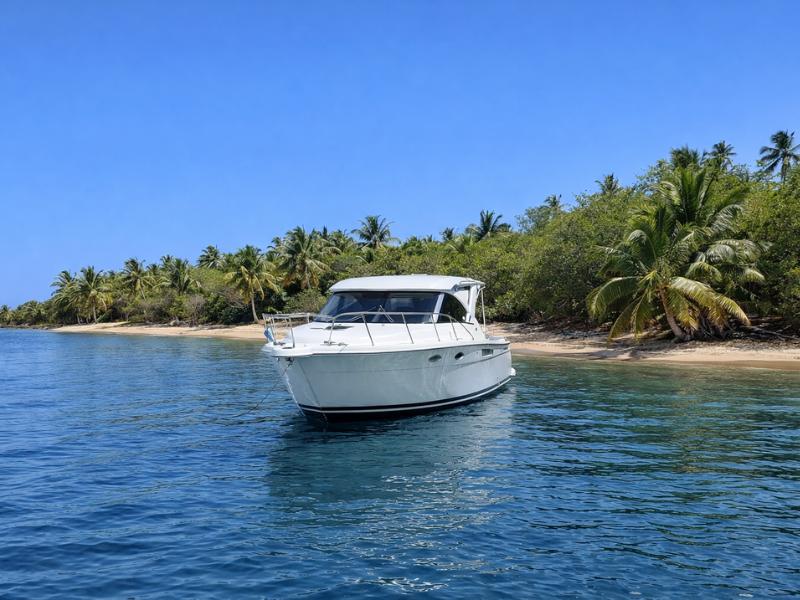
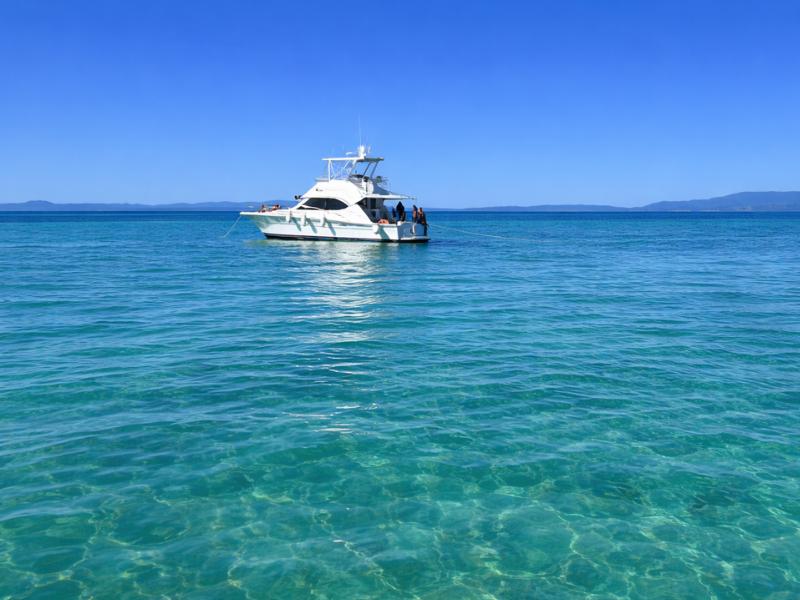
For an independent island day, the San Juan ferry package combines mainland transport and tickets. Confirm any required assistance and onward beach access separately. Explore Culebra Ferry Tickets & Round-Trip Transport from San Juan
Culebra is genuinely well-suited for older travelers who want world-class beaches, calm water, and a quiet Caribbean pace without resort crowds or noise. Flamenco Beach has the calmest, shallowest water on the island, facilities, a lifeguard, and easy taxi access. Tamarindo Beach delivers wild sea turtle encounters accessible from shore with no strenuous hiking required. The flight from San Juan is strongly recommended over the ferry for seniors, particularly those with any balance, mobility, or motion sickness concerns. Medical care on the island is limited to a 24-hour clinic; serious conditions require air ambulance to the mainland. Bring all prescription medications in full supply and travel insurance that covers medical evacuation.
Booking Choice: Designated San Juan pickup; return to San Juan. Check Dates For The San Juan Ferry Package
Culebra for Seniors: Senior Ferry Fares and Key Facts
| Ferry fare (senior 60-74) | $1.00 per person each way. Must show valid ID at terminal window. |
| Ferry fare (senior 75+) | Free. Must show ID at terminal window. Cannot book online; purchase at Ceiba terminal. |
| Ferry boarding priority | Seniors board before general non-residents. Priority boarding at the dock. |
| Flight from San Juan | 25-30 min from Isla Grande Airport (SIG). From ~$89 one-way. No security screening at SIG. Strongly recommended over ferry for most seniors. |
| Medical clinic on island | Hospital de Culebra / Sala de Emergencias CDT Culebra, Calle William Font. 24-hour emergency room. Phone: 787-742-0001. |
| Pharmacy on island | Limited pharmacy at the clinic. Stock is basic. Bring all prescription medications from mainland. |
| Serious emergency care | Air ambulance to Fajardo or San Juan. Covered by Puerto Rican government for all visitors and residents on the island. |
| ATM on island | One ATM: Banco Popular in Dewey. Runs empty on busy weekends. Withdraw cash before arriving. |
| Accessibility at Flamenco Beach | Paved parking lot, flat sand approach, no steep entry. Taxi from ferry dock $5/person. |
| Golf cart rental | ~$50-$60/day. Covers Flamenco, Tamarindo, Melones, and Dewey. Easier than Jeep for most seniors. |
Prices verified July 2026. Confirm ferry discount eligibility and current medical clinic hours locally before travel.
Is Culebra a Good Destination for Seniors?
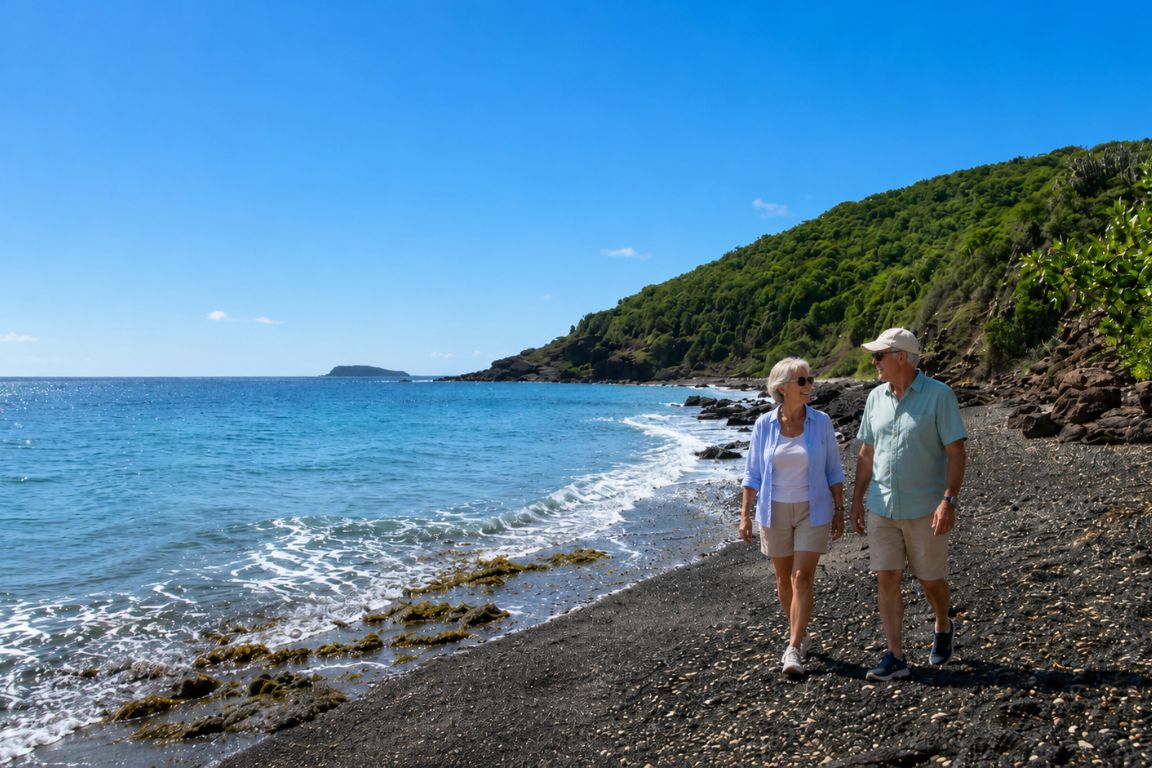 Culebra is a very good destination for seniors, with specific strengths that align well with what many older travelers want from a Caribbean trip: genuinely exceptional beaches without resort crowds, calm swimming water, quiet evenings, no excessive nightlife noise, and a pace that is naturally unhurried. The island rewards a slower approach and actively discourages the rushed day-tripper mentality that makes other Caribbean destinations exhausting. The practical limitations, limited medical infrastructure, basic accommodation options, and no elevator-equipped hotels, are real and require honest assessment before booking.
Culebra’s particular character suits older travelers in ways that are not just marketing language. The island has no casino. No cruise ship pier. No organized beach entertainment or amplified music at the shore. The restaurants close early enough that dinner at 6:30 PM is normal, not early. The roads are quiet enough that a golf cart covers everything you need without stress. Flamenco Beach’s calm, shallow, reef-protected water is among the most physically accessible world-class beach swimming in the Caribbean: no waves to navigate, no hidden drop-offs, clear water you can see through at any depth in the swimming zone.
The honest limitations: the island’s single road network is hilly and some roads to outer beaches (Zoni, Punta Soldado) are unpaved and rough. There are no elevators in any accommodation. There is no dedicated accessibility infrastructure at any beach beyond Flamenco’s flat parking lot and sand approach. The 24-hour clinic handles emergencies, but anything requiring specialist care, imaging, or surgery means an air ambulance to the mainland. Seniors with significant cardiac conditions, recent surgical history, or complex medication management should discuss the travel plan with their physician before booking.
The most memorable beaches on Culebra are often the ones that don’t show up on the first page of search results. Here’s a guide to hidden beaches in Culebra tours so you find the spots most visitors walk right past.
Which Culebra Beaches Are Best for Seniors?
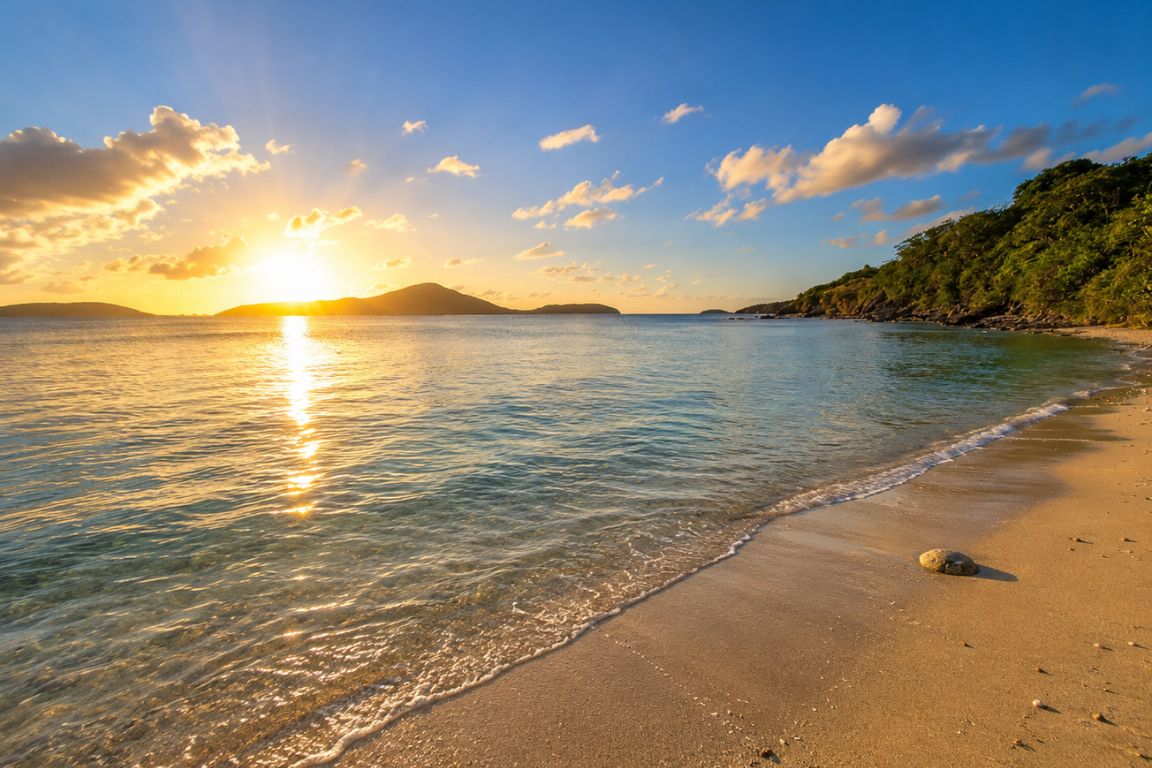
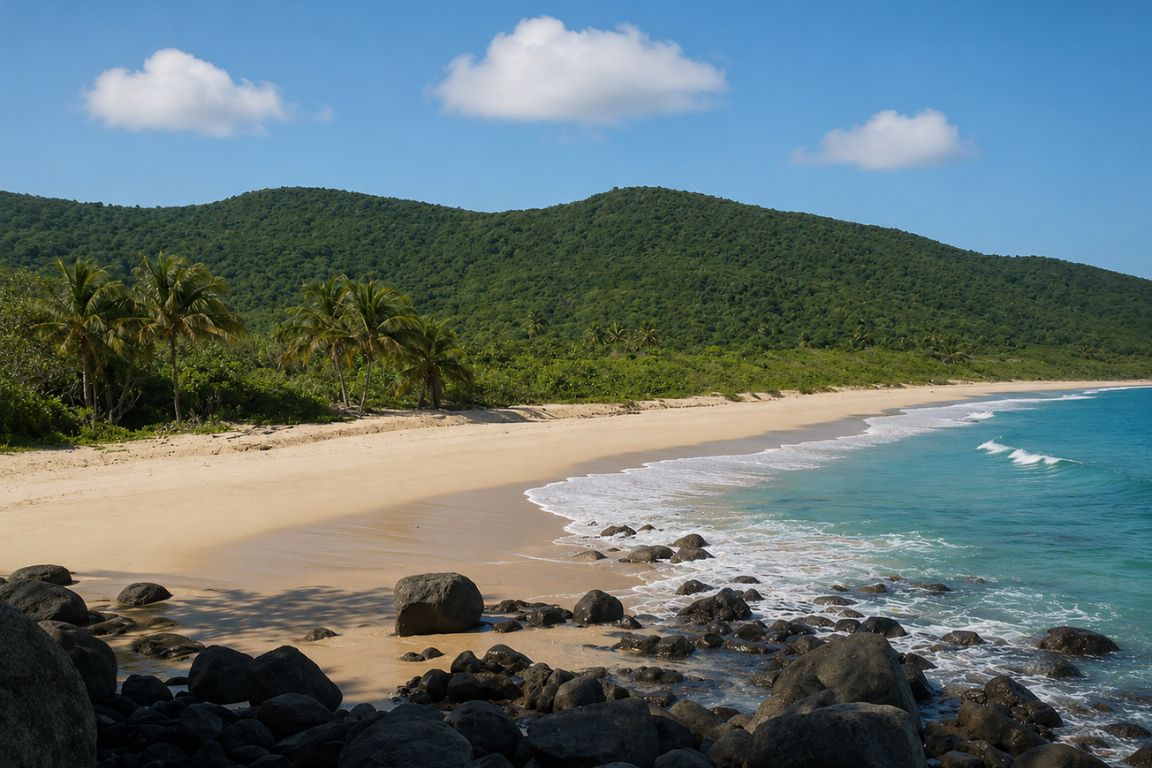
Flamenco Beach is the best beach in Culebra for seniors: sandy entry, gradual depth, lifeguard on duty, bathrooms, kiosk food, shade trees, easy taxi access from the ferry dock, and the calmest water on the island. Tamarindo Beach is the best beach for seniors who want to snorkel with sea turtles: calm, protected, road accessible, with no significant hike. Melones Beach is the easiest quality snorkeling site for seniors staying near Dewey, with short transit and a west-facing shore for afternoon light and sunsets.
Flamenco’s physical setup suits seniors specifically. The parking lot is paved and flat. From the lot to the water is a short walk over soft sand with no obstacles. The water entry is gradual, sandy, and bottom-visible throughout the shallow zone. The eastern section toward the rocks is rockier and requires more careful footing; seniors with balance concerns should stay in the central sandy section where the entry and exit is straightforward. Shade trees at the back of the beach allow rest out of the direct sun during midday. Chair and umbrella rentals (approximately $10 to $15 per day) are available from the kiosks and can be set up close to the water.
Tamarindo Beach involves a rocky shoreline that requires water shoes for safe entry. Seniors with stable footing and comfortable mobility will manage it well. Visitors with balance or mobility limitations should confirm the actual shore-entry demands and any assistance directly before choosing a snorkeling activity; a guided format does not establish accessibility.
Not sure whether to stick to the famous beach or venture out to the quieter alternative? This breakdown of Flamenco Beach vs Tamarindo Beach tells you exactly what sets them apart.
Melones Beach sits less than a mile from Dewey, is road accessible with informal roadside parking, and has a flat approach from the road to the water. The shore is rocky at the entry point, so water shoes are needed, but the walk from the parking area is short and the snorkeling begins immediately. The west-facing position makes Melones ideal for a late afternoon session followed by watching the sunset over Cayo Luis Peña across the channel, with dinner in Dewey five minutes away. For seniors who prefer short, structured outings over full beach days, the Melones evening format is one of the most consistently enjoyable combinations on the island.
We’ve got a full breakdown on the best beaches in Culebra tours if you want to know which stretches of coastline deliver on views, swimming, snorkeling, and overall experience.
What Activities Are Senior-Friendly in Culebra?
 The most senior-friendly activities in Culebra are: Flamenco Beach swimming, guided turtle snorkeling at Tamarindo, the Dewey waterfront walk and town exploration, the Culebrita water taxi day trip (boat transit, beaches, and tidal pools), and the golf cart drive through the island’s western circuit. Less suitable activities for seniors with any mobility limitations include the Carlos Rosario trail hike, the Resaca and Brava hikes, and the Zoni Beach unpaved road approach.
The Dewey waterfront is an underrated senior-friendly activity. The town is small, walkable from the ferry dock, and has waterfront restaurants, a small local museum (Museo de Historia de Culebra), colorful streets, a view of the harbor, and enough charm for a full morning of slow exploration. Walking from the ferry terminal through Dewey to Melones Beach and back is a pleasant 45-minute circuit that covers the best of the town’s character without requiring a vehicle. After the walk, lunch at Dinghy Dock or Mamacita’s on the water before a taxi to Flamenco is a very comfortable senior itinerary for a day trip.
The Culebrita water taxi day trip is appropriate for seniors who are comfortable on a boat (15 minutes each way) and can walk on uneven coastal terrain. The beaches on Culebrita are accessible and beautiful. Las Jacuzzis tidal pools require a 15-minute walk on a coastal path that is uneven in places; seniors with significant balance or knee issues should assess this realistically. The lighthouse hike from Playa Tortuga takes about 25 minutes and involves elevation gain; it is worth the effort for seniors in reasonable walking shape but should be skipped in favor of the beach if there is any doubt.
The golf cart island circuit, driving from Dewey through the western beach road to Flamenco, continuing to Tamarindo, and returning via Dewey, is a complete Culebra experience that requires no physical exertion beyond the vehicle and short beach walks. For seniors who want to see and experience the island without physically demanding beach visits, this drive through the wildlife refuge hills with views of the Spanish Virgin Islands cays from the road is genuinely beautiful on its own terms.
We’ve got a full Culebra day trip guide if you want to know exactly how to structure your hours, which beaches to hit first, and what to skip when time is tight.
Senior-Friendly vs. Challenging Activities: What to Know Before You Go
 Not every Culebra activity is appropriate for every senior traveler. The table below separates activities by physical demand to help plan a realistic itinerary. The most rewarding senior experiences are all accessible without strenuous effort. The challenging activities are genuinely hard for any age group and should not be attempted without honest fitness assessment.
| Flamenco Beach swimming | Very low | Excellent | Sandy entry, lifeguard, facilities, flat access. Best senior beach on island. |
| Guided turtle snorkeling (Tamarindo) | Low-Moderate | Good with guidance | Flotation device provided. Guide assists entry. Water shoes required. |
| Melones Beach snorkeling | Low | Good | Short walk from parking. Rocky entry; water shoes needed. No facilities but Dewey nearby. |
| Golf cart island circuit | Minimal (driving only) | Excellent | Covers Flamenco, Tamarindo, Melones, Dewey. No off-road required. |
| Dewey waterfront walk | Very low | Excellent | Flat streets, waterfront restaurants, town exploration. No vehicle needed. |
| Culebrita water taxi day trip | Low-Moderate | Good for mobile seniors | 15-min boat ride. Uneven trail to Las Jacuzzis. Lighthouse hike optional. |
| Carlos Rosario trail (hike) | Moderate. 20-min uphill return. | Caution. Assess fitness. | Exposed, hot. Return is harder than descent. No facilities. |
| Zoni Beach (Jeep road) | Low (driving), rough road | Caution. Jeep required. | Unpaved, hilly. The drive is the challenge, not the beach itself. |
| Playa Brava / Playa Resaca hikes | Very high. Steep, unmarked. | Not recommended | Most difficult hikes on the island. No rescue infrastructure nearby. |
Suitability ratings are general guidelines. Individual health and fitness determine actual accessibility. Consult your physician if you have cardiac, orthopedic, or balance concerns before planning activities.
How Should Seniors Get to Culebra?
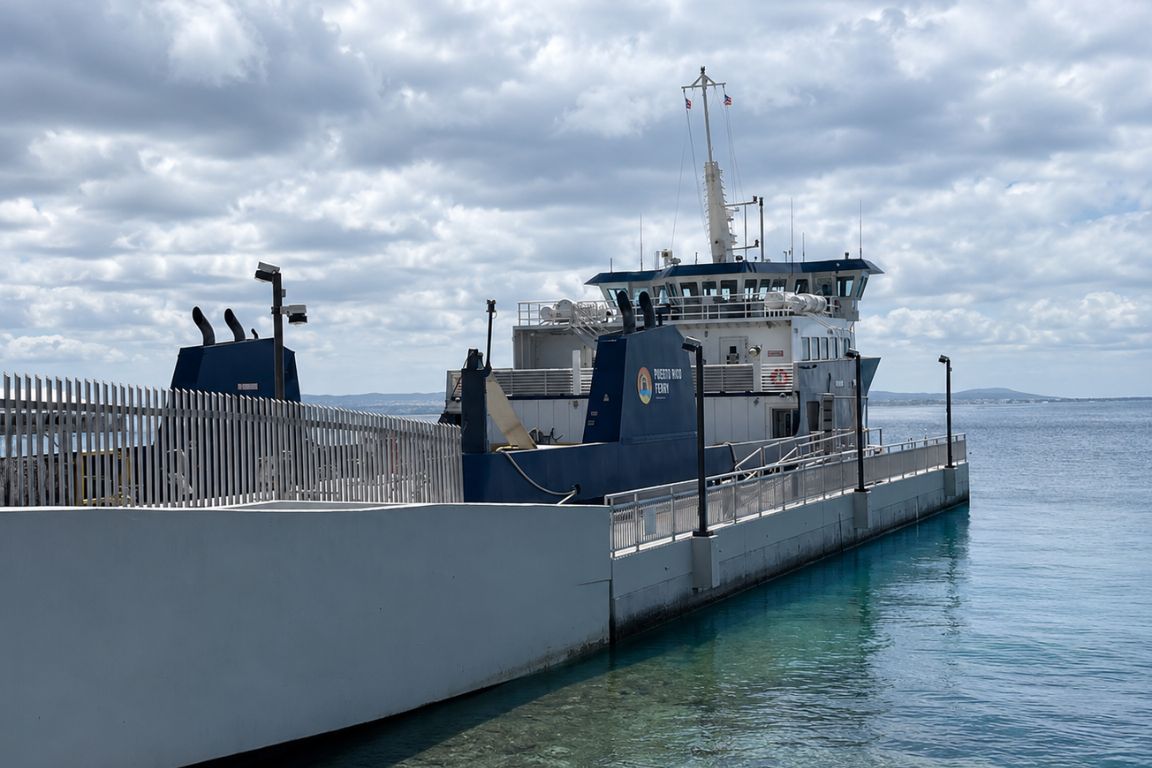 The flight is the strongly recommended option for most seniors. The 25 to 30-minute small-plane flight from San Juan Isla Grande Airport eliminates the hour-long ferry crossing that can produce significant seasickness, removes the 75 to 90-minute mainland drive to the Ceiba ferry terminal, and lands you closer to Flamenco Beach. The ferry offers discounted fares for seniors (free for 75+, $1.00 for 60 to 74) and boarding priority, which makes it a reasonable option for seniors who are comfortable on the water and have flexible timing.
The ferry’s physical experience matters more for seniors than for younger travelers. Boarding the ferry at Ceiba involves walking across a gangway, navigating stairs to the upper deck if you prefer outdoor seating, and managing the motion of a one-hour open-water crossing that can be genuinely rough in winter when Atlantic swell is running. Seniors with inner ear issues, vertigo, balance concerns, or previous history of severe motion sickness should strongly consider flying. The small plane from Isla Grande requires boarding a low-door aircraft and sitting in a 9-seat cabin, which may require some physical flexibility, but it is stationary for only 25 to 30 minutes with light turbulence at most.
For seniors who choose the ferry: arrive at the Ceiba terminal at least 90 minutes before departure. Seniors board in the priority group before general non-residents, which means you will have your choice of seats. Sit on the upper deck facing forward for horizon reference and fresher air, which reduces motion sickness significantly. Take an anti-nausea medication at least one hour before boarding if there is any possibility of need. Bring a layer for the air-conditioned lower cabin if you end up there. Wear comfortable shoes with grip for the gangway, which can be sloped.
On the island, golf carts handle all the accessible beaches without the need for a Jeep. Taxis from the ferry dock to Flamenco run $5 per person. Golf cart rental companies in Dewey can deliver a vehicle directly to your accommodation. The roads between Dewey, Flamenco, Tamarindo, and Melones are all paved and manageable in a standard golf cart. Do not attempt the road to Zoni Beach in a golf cart; the hills and surface are beyond what most rental companies authorize.
The right answer depends on more than just price. Here’s flight vs ferry to Culebra so you factor in the full picture before you book anything.
What Are the Medical and Safety Considerations?
Culebra has a 24-hour emergency room at Hospital de Culebra (Sala de Emergencias CDT Culebra, Calle William Font, phone 787-742-0001), administered by the Mennonite Health System. The clinic handles basic emergency and primary care. Any condition requiring specialist care, surgery, cardiac intervention, or imaging beyond basic X-ray requires air ambulance to a hospital on the Puerto Rico mainland. Air medical evacuation from Culebra is covered by the Puerto Rican government for all visitors. Travel insurance with medical evacuation coverage is strongly recommended regardless.
The clinic’s pharmacy carries basic medications but cannot reliably supply specialty prescriptions or controlled substances. Bring a complete supply of all prescription medications, plus a few extra days’ supply as buffer for any weather-related delay in departure. Keep medications in their original labeled containers for identification purposes. If you use a CPAP machine or any electrical medical equipment, confirm that your accommodation has the appropriate power supply (standard US 110V, no adapter needed since Puerto Rico is a US territory).
Heat and dehydration are the most common health issues for visitors to Culebra, and they are genuinely relevant for older travelers. The Caribbean sun is intense. Culebra’s average temperature runs 80 to 85°F year-round. Seniors are more vulnerable to heat exhaustion than younger adults, especially during active beach or snorkeling time in midday sun. Schedule active beach time in the early morning before 11 AM. Return to shade or indoor accommodation during the hottest midday hours. Carry water at all times; the island has limited spots to buy beverages away from Dewey and the Flamenco kiosks.
The island has no traffic to speak of, crime toward tourists is minimal, and the community is small and generally watchful in a helpful way. The primary safety risks for seniors are sun exposure, dehydration, and the physical terrain of the less accessible beaches, all of which are preventable with appropriate planning.
A tour booking cannot establish medical suitability or emergency care. Confirm your individual needs before choosing an activity.
What Senior Travelers Experience on Culebra
From our 15,400+ guided travelers, senior groups are among the most consistently satisfied visitors to the island, specifically because the pace and setting match what they came for.
| “The water at Flamenco was unlike anything I’ve swum in before” | 92% | Flamenco earns its reputation completely for seniors. No overhyping. |
| “Seeing the sea turtles was the highlight of the trip” | 78% | Guided Tamarindo sessions are accessible and consistently deliver turtle encounters. |
| “The ferry was rougher than expected” | 44% | Flight strongly recommended for seniors. Ferry is fine in summer; winter is a gamble. |
| “We should have stayed longer” | 69% | Two nights minimum. Seniors who arrive and leave in one day consistently report feeling rushed. |
| “The island pace was exactly what we needed” | 87% | Culebra’s absence of resort-style noise and entertainment is an asset for senior travelers. |
Where Should Seniors Stay in Culebra?
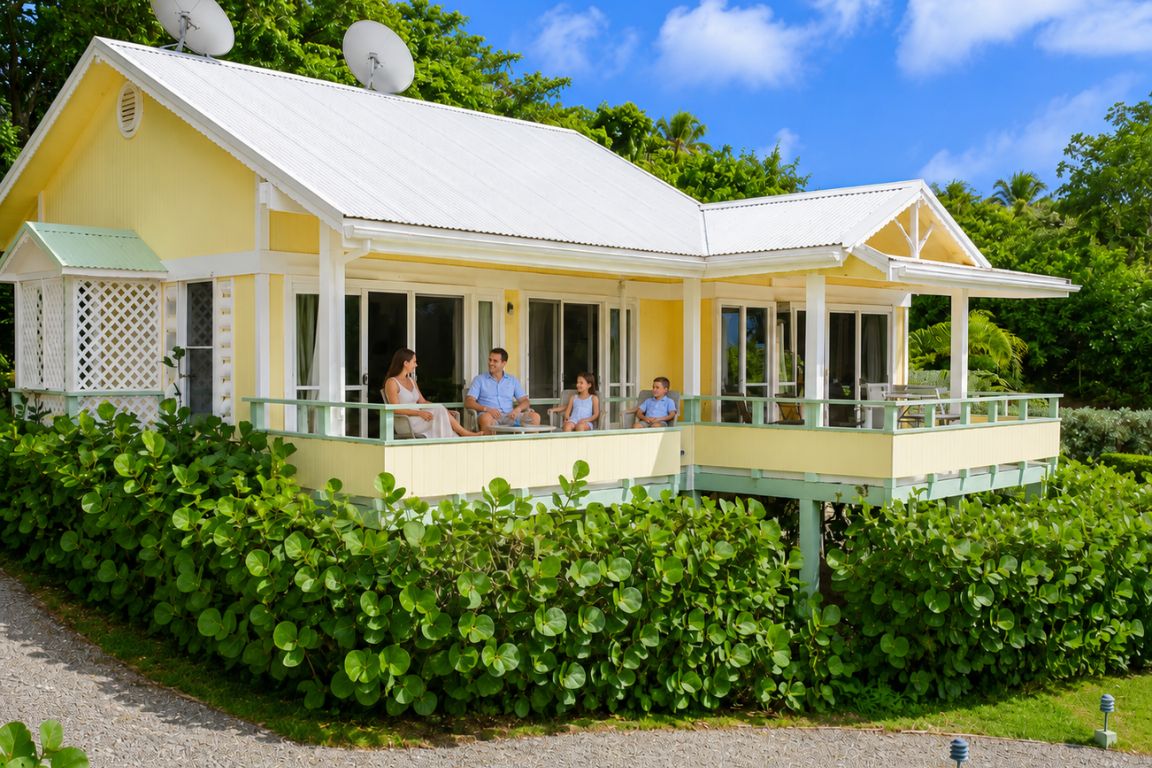 Club Seabourne is the island’s only boutique hotel and the most practical accommodation for seniors who want hotel-style service, a pool, and no stair-climbing required to access rooms. Vacation rentals on Airbnb and VRBO offer kitchen facilities, more space, and lower cost, but vary significantly in accessibility and stair configuration. Rentals in or near Dewey minimize transit logistics. Seniors with mobility considerations should filter specifically for ground-floor or single-level properties and contact owners directly to confirm accessibility before booking.
Club Seabourne sits in a quiet area south of Dewey with an outdoor pool, restaurant, and bar. The hotel provides cribs, high chairs, and basic amenities that make stays operationally simpler than vacation rentals. The pool is a meaningful asset for seniors who want to swim without the 10-minute taxi ride to Flamenco on every occasion. The restaurant on-site removes the need to drive to Dewey for every meal. Rates are higher than vacation rentals, but the service infrastructure justifies the premium for travelers who want simplicity over cost optimization.
For vacation rentals, properties near Dewey are the most practical for seniors because they minimize driving time to restaurants, the ATM, and the taxi pickup for beach visits. Many Culebra vacation rentals are hillside properties with beautiful views but involve steps to enter and navigate. This is the single most important thing to check before booking: the number of stairs to reach the primary living area and bedroom. A hillside property with 30 stairs to the entrance is a meaningful daily challenge that photographs do not reveal. Ask the host directly and be specific.
Confirm room access, steps, bathroom layout and transport arrangements with your chosen accommodation; the boat packages do not establish those details.
Practical Tips That Make a Difference for Senior Travelers in Culebra
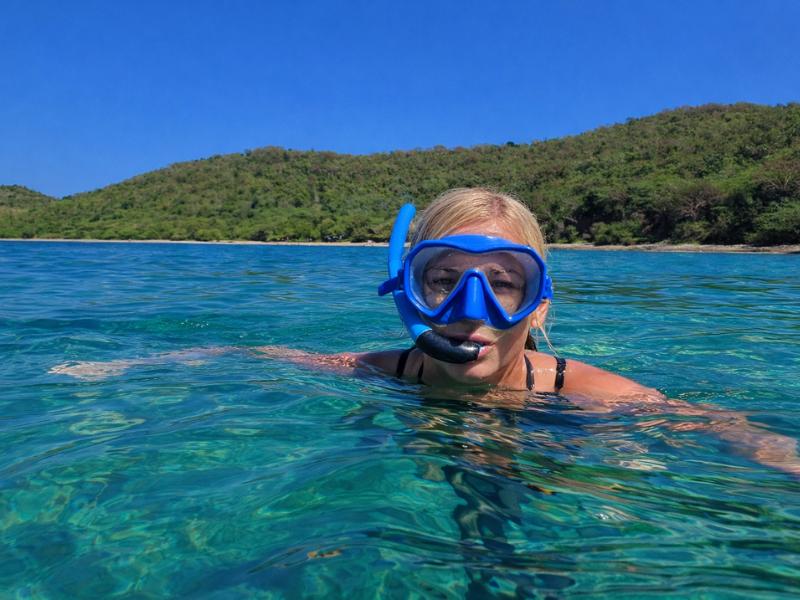
Eight things that consistently make the difference for senior travelers on Culebra: fly rather than ferry, bring all medications in full supply plus extra, withdraw $150 to $200 cash per person before leaving the mainland, book a ground-floor or stair-minimal accommodation, rent a golf cart rather than relying on taxis, schedule beach time in the early morning (7 to 11 AM) and rest midday, bring reef-safe mineral sunscreen in large quantity, and carry travel insurance that explicitly covers medical evacuation.
The cash point cannot be overstated for senior travelers who may not adapt easily to unexpected logistical gaps. The island’s single ATM at Banco Popular in Dewey runs empty on busy weekends and public holidays. Every beach entry, every taxi, every kiosk meal, every chair rental runs on cash. Running out of cash on a small island with no other ATM is a solvable problem for a 25-year-old and a genuinely stressful situation for an older traveler who is tired after a long beach day. Solve it entirely by withdrawing generously before you board the ferry or plane.
Travel insurance with medical evacuation coverage is not a luxury purchase for senior travelers visiting Culebra. It is the right preparation for a destination where a cardiac event or serious injury requires an air ambulance flight to a mainland hospital. The cost of medical evacuation coverage is modest relative to the peace of mind it provides and the actual cost of an uninsured air ambulance. Purchase a policy that specifically names air ambulance coverage and check that the Puerto Rico mainland hospital is within the network.
The early morning schedule aligns perfectly with what Culebra’s beaches offer seniors at their best. Flamenco at 7:30 AM is cool, quiet, and lit at an angle that makes the water color do what all the photographs are trying to capture. The fish at Tamarindo are most active before 10 AM. The morning ferry day-trippers do not arrive until after 10:30 AM. The combination of cooler temperatures, emptier beaches, and optimal snorkeling conditions makes early morning the best window for seniors, not just a heat-management strategy.
Trying to plan a Culebra trip without piecing together information from a dozen different sources? Here’s a Culebra travel guide that covers it all in one place.
Frequently Asked Questions
Is the Culebra ferry free for seniors?
Seniors aged 75 and older ride free with valid ID, purchased at the Ceiba terminal ticket window (not bookable online). Seniors aged 60 to 74 pay $1.00 per trip each way. Both age groups receive priority boarding before general non-resident passengers.
Is there a hospital in Culebra?
There is a 24-hour emergency room and primary care clinic: Hospital de Culebra / Sala de Emergencias CDT Culebra at Calle William Font, phone 787-742-0001. It handles basic emergencies and primary care. Anything requiring specialist care or surgery requires air ambulance transport to the Puerto Rico mainland, which is covered by the Puerto Rican government for all visitors and residents.
Which beaches in Culebra are easiest for seniors to access?
Flamenco Beach is the most accessible: paved parking, flat sand approach, sandy water entry, lifeguard, facilities. Melones Beach is the second easiest, close to Dewey with short road access. Tamarindo is accessible with water shoes for the rocky entry. Carlos Rosario, Zoni (rough road), and the hidden beaches require significantly more physical effort and are not recommended for seniors with mobility concerns.
Can seniors snorkel at Culebra?
Yes. Guided snorkeling tours at Tamarindo include flotation devices and staff assistance with water entry. The sea grass zone is 3 to 10 feet deep and calm. Flamenco’s eastern reef (Shark Cages) is shallower and easier to access for first-time snorkelers or those who prefer a more gradual introduction. A well-fitting mask and a flotation vest are the two most important equipment investments for comfortable senior snorkeling.
Should seniors fly or take the ferry to Culebra?
Fly, for most seniors. The 25 to 30-minute flight from San Juan Isla Grande eliminates the hour-long open-water crossing that can cause significant motion sickness, especially on the rough eastbound leg in winter. The ferry is viable for seniors comfortable on the water in good conditions, traveling in summer, with no significant balance or motion sensitivity concerns. Priority boarding and discounted fares make the ferry more appealing for those who choose it.
Written by Camila Elena Ramirez
Puerto Rican tour guide since 2014 · Founder, Culebra Tours
Camila has guided over 15,400 travelers through Culebra and the Spanish Virgin Islands since founding the agency.