Best Snorkeling Beaches in Culebra
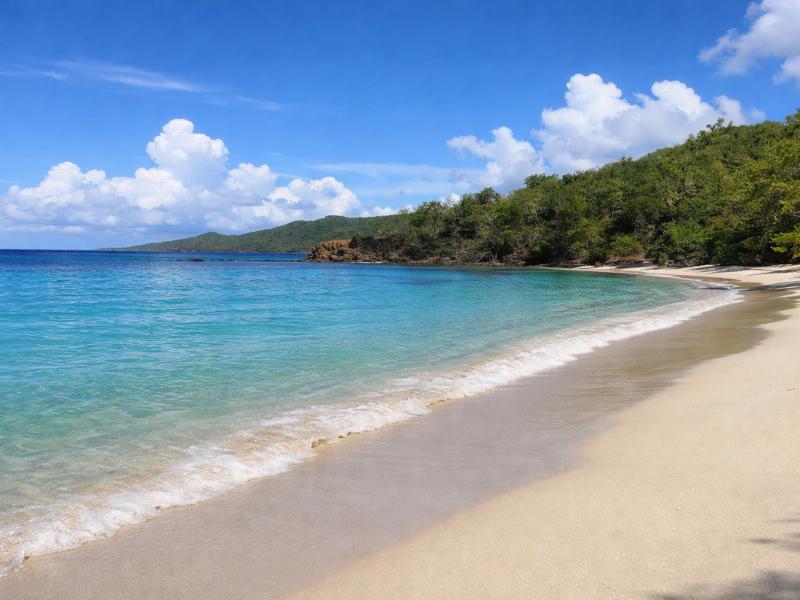
Culebra’s best snorkeling beaches combine healthy coral reefs, sea turtles, and crystal-clear water, making the island one of the top snorkeling destinations in the Caribbean.
Ferry tickets, island transport, guided Tamarindo shore snorkeling, gear, snacks and Flamenco entry. Lunch extra. Explore Culebra Snorkel with Turtles & Flamenco Beach Adventure by Ferry
Culebra’s top snorkeling beaches are Tamarindo (sea turtles in shallow sea grass), Carlos Rosario (best reef diversity on the island, 15-25 feet deep), Melones (easy shore access near Dewey, great coral), Flamenco eastern reef (best for beginners, steps from the beach), and Culebrita (outer cay, manta rays and turtles, water taxi only). All sites except Culebrita are accessible from shore. The Luis Peña Channel Natural Reserve, established in 1999, protects most of these waters as Puerto Rico’s first no-take marine reserve. Snorkel in the morning, use reef-safe sunscreen, and bring water shoes for rocky entries.
Booking Choice: Ceiba ferry terminal; return to Ceiba. Check Dates For Tamarindo And Flamenco By Ferry
Culebra Snorkeling Beaches: At a Glance
| Tamarindo Beach | Sea turtles, stingrays, sea grass snorkeling | 3-10 ft (sea grass zone) | Shore. Road accessible. Water shoes needed. | Beginner |
| Carlos Rosario Beach | Best reef diversity on the island | 15-25 ft | Shore (20 min hike from Flamenco) or boat | Intermediate |
| Melones Beach | Coral, fish, easy access from Dewey | 5-15 ft | Shore. 5 min from Dewey. | Beginner |
| Flamenco Beach (eastern reef) | First snorkel, calm water, fish variety | 5-15 ft | Shore. At Flamenco Beach. Sandy entry. | Beginner |
| Culebrita | Remote reef, manta rays, turtles, tidal pools | 10-30 ft | Water taxi from Dewey (~15 min) | Intermediate-Advanced |
| Cayo Luis Peña | Pristine protected reef, sea fans, minimal crowds | 10-25 ft | Kayak or water taxi from Tamarindo | Intermediate |
Data verified July 2026.
Why Is Culebra One of the Best Places to Snorkel in the Caribbean?
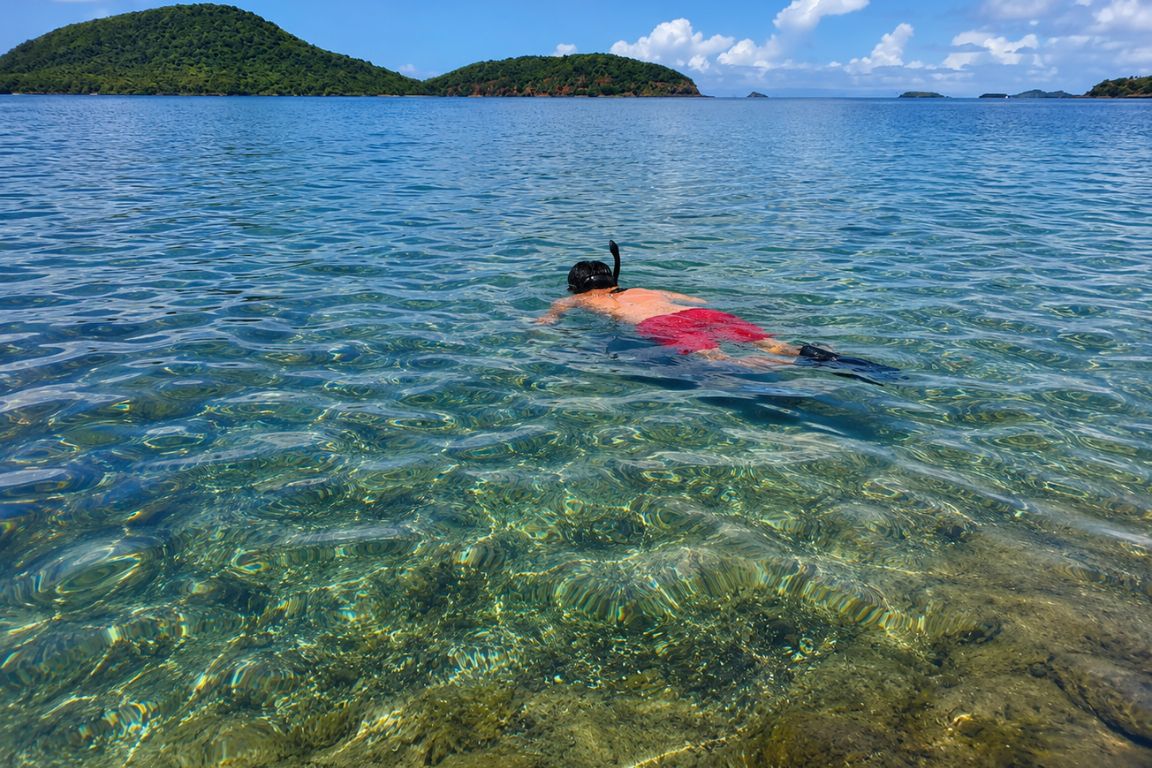 Culebra produces exceptional snorkeling conditions for three specific reasons: it is a coral island with no rivers, meaning zero fresh water and sediment runoff that clouds water at most Caribbean destinations; most of its surrounding waters fall within protected reserves where nothing is taken and nothing is damaged; and the island’s small permanent population and deliberate anti-development stance have kept human pressure on the reef ecosystem below the threshold that has degraded sites elsewhere in the region.
The coral island distinction matters more than most snorkeling guides acknowledge. Every mainland beach in Puerto Rico receives river water carrying agricultural runoff, sediment, and nutrients that feed algae and suppress coral growth. Culebra, sitting offshore on its own geological platform, receives none of this. When it rains on Culebra, the water washes off quickly into the sea without the organic load that produces poor visibility. The clarity that makes Culebra’s photographs look oversaturated is not a filter. It is the natural result of a reef system that has never had to compete with freshwater runoff.
The Luis Peña Channel Natural Reserve, designated in 1999 as Puerto Rico’s first no-take marine reserve, protects the island’s most productive western reef corridor. NOAA identified Culebra as a coral reef conservation priority in 2010 and has partnered with Puerto Rico’s Department of Natural and Environmental Resources on sustained protection and restoration programs. Puerto Rico’s reefs have documented at least 65 species of stony corals and 242 species of reef fish, and the protected channels around Culebra hold the highest coral cover in Puerto Rico.
None of this is marketing. It is documented in NOAA reef surveys, satellite imagery, and the direct experience of the 15,400 travelers we have guided through these waters since 2014. The snorkeling here is genuinely exceptional because the conditions that produce exceptional snorkeling have been protected here in a way they have not been protected at most Caribbean destinations.
Still in the early stages of planning and not sure what Culebra is really like? This Culebra travel guide gives you an honest picture of the island before you commit to the trip.
Where Can You Snorkel with Sea Turtles in Culebra?
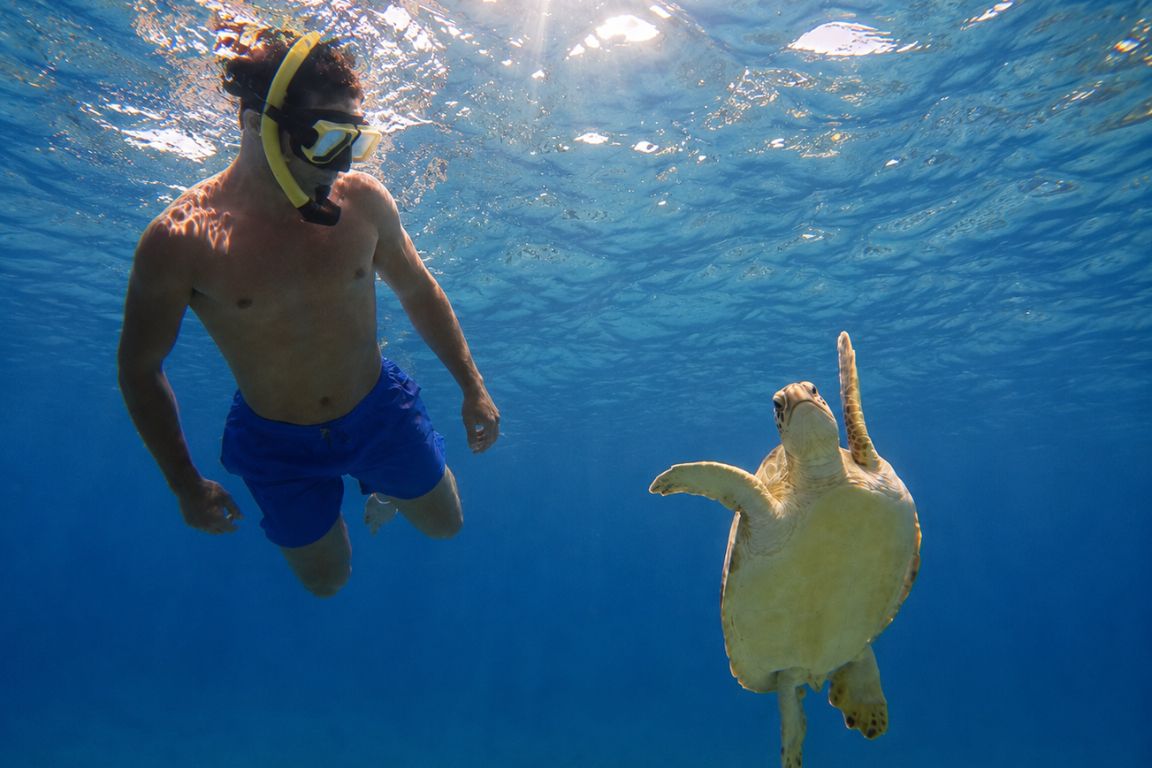 The most reliable place to snorkel with sea turtles in Culebra is Tamarindo Beach, where green and hawksbill sea turtles graze sea grass beds in shallow, calm, protected water accessible directly from shore. Turtles are also regularly encountered at Melones Beach, near Culebrita, and at Carlos Rosario. Tamarindo is the site we recommend specifically for turtle encounters because the sea grass habitat is the most consistent and the water depth allows close observation without requiring significant swimming skill.
The sea grass beds at Tamarindo are the reason turtles are there. Green sea turtles are herbivores. They graze sea grass the way cows graze pasture, methodically working through a patch before moving to the next. The protected bay at Tamarindo, within the Luis Peña Channel Natural Reserve, has extensive sea grass meadows in 3 to 10 feet of water. The no-take designation means no fishing, no anchoring on the bottom, no removal of any animal or plant. The turtles have been consistently undisturbed here for over two decades, and they behave accordingly: calm, unhurried, accustomed to the presence of respectful snorkelers.
The technique that makes Tamarindo turtle encounters work: enter from a sandy gap in the shore (not the rocky sections), swim out 30 to 60 yards to where the sea grass transitions to scattered coral heads, and then move slowly and horizontally. Good buoyancy control matters; the temptation is to stand when you see something interesting, but standing disturbs the bottom and frightens the turtles. Float, breathe slowly, and let the turtles come toward you rather than chasing them. On a typical morning session, our groups encounter three to five individual turtles. The record in our twelve years of operations here is eleven, though that number is not typical and should not be counted on.
Wildlife etiquette is non-negotiable at Tamarindo. Both green and hawksbill sea turtles are protected under the Endangered Species Act. Do not touch them. Do not ride them. Do not block their path to the surface when they come up for air. Do not chase a turtle that swims away from you. The animals in this reserve are not habituated to aggression; they are habituated to patience. Give them patience and they will give you the experience. Give them aggression and they leave.
What Are the Best Snorkeling Beaches in Culebra?
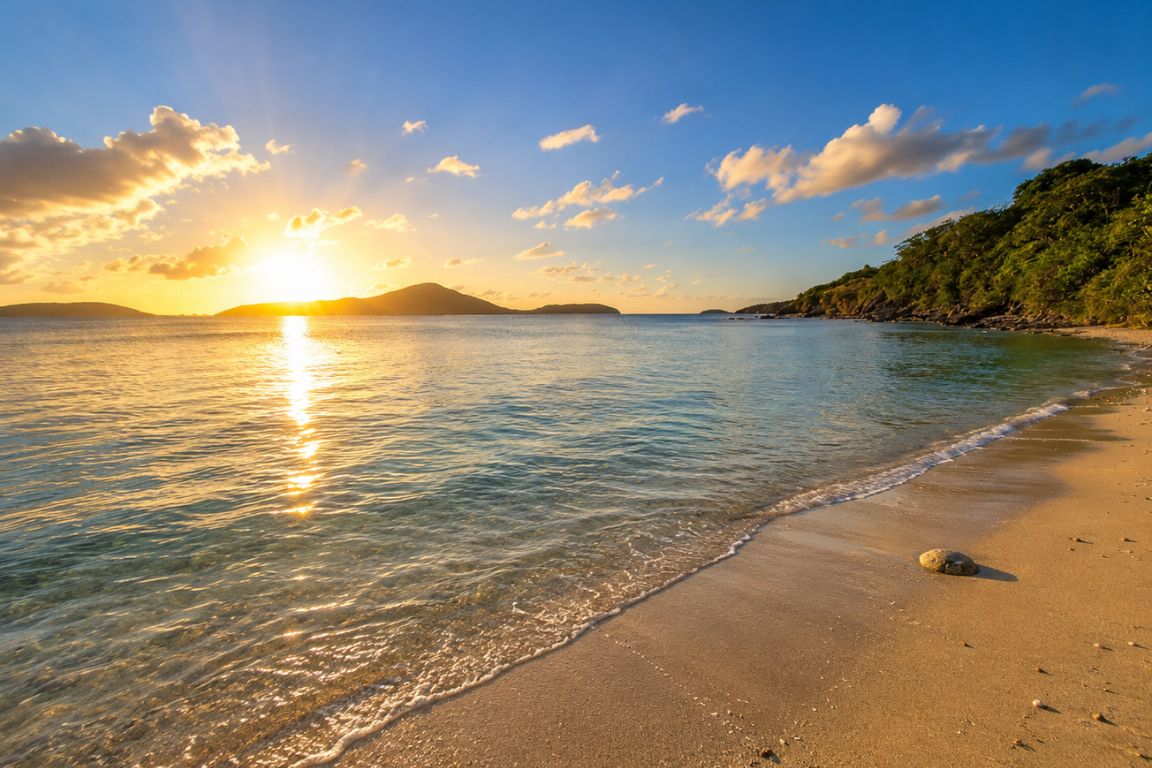 Culebra’s five best snorkeling beaches are Tamarindo for turtles, Carlos Rosario for reef depth and diversity, Melones for convenience and coral quality, Flamenco’s eastern reef for beginners, and Culebrita for the outer-island experience. Each serves a different type of snorkeler. A complete Culebra snorkeling visit covers at least two of these sites on separate mornings.
Tamarindo Beach
Tamarindo sits on Culebra’s west coast within the Luis Peña Channel Natural Reserve, about 10 minutes from Dewey by golf cart. The shore is rocky and pebbly rather than sandy, which keeps casual beach visitors away and makes it the quieter of the main snorkeling sites. Water shoes are essential. The sea grass beds begin 30 to 60 yards from shore and run across a broad, shallow bay protected from Atlantic swell by Cayo Luis Peña sitting just across the channel. The turtle encounters here are the most reliable in the entire reserve. Stingrays rest in the sandy areas between sea grass patches. Brain coral, sea fans, and parrotfish fill the transition zones between grass and reef. No facilities. Bring everything.
Carlos Rosario Beach
Carlos Rosario is the reef beach. Located within the same reserve as Tamarindo but accessible via a 20-minute trail from Flamenco Beach’s parking lot (or by kayak or water taxi), it offers the most impressive coral structure on the island at 15 to 25 feet. The coral diversity here, brain coral, staghorn, sea fans, and dense fish populations that include parrotfish, moray eels, angelfish, and blue tang, is what experienced snorkelers describe when they say Culebra rivals the best sites in the wider Caribbean. Visibility on a calm day can reach 60 feet. No facilities, no shade, no food. Hike in with everything or arrive by boat. Arrive as early as possible because the trail from Flamenco is exposed and hot in the afternoon sun.
Melones Beach
Melones is five minutes from Dewey, just before the road splits toward Flamenco. It is the easiest quality snorkeling site to access on the island and the one we recommend for travelers who want an hour in the water without committing to a full hike or a remote beach. Enter the water from behind the Melones Beach sign and swim right toward the rocky outcrop. The coral heads and fish density are immediately visible. Hawksbill turtles move through the area. Visibility is generally excellent. No facilities, but the proximity to Dewey means food and bathrooms are five minutes away by golf cart. Melones is perfectly placed as an evening snorkel before a sunset dinner at Dinghy Dock.
Flamenco Beach Eastern Reef (Shark Cages)
The name sounds alarming. It describes a reef channel formed by two rows of submerged rocks at the eastern tip of Flamenco’s horseshoe. Sharks are occasionally present, almost always nurse sharks resting on the bottom. The name is local color, not a warning. The reef channel here is the most beginner-accessible snorkeling on the island: full facilities steps away, sandy entry before the rocks begin, and a visible reef line reachable by any swimmer. Fish diversity is good without being exceptional compared to Carlos Rosario. It is the right first session before moving to a dedicated snorkel site the next day.
Culebrita
The uninhabited cay northeast of Culebra requires a water taxi from Dewey (about 15 minutes, around $50 per person round-trip). The reward is snorkeling conditions that experienced divers rate above anything accessible from Culebra’s shore: tidal pools called Las Jacuzzis that fill with warm water at high tide, beaches accessible only by boat, and reef water around the cay with manta rays and turtle sightings that go beyond what the protected reserve channels deliver. A full Culebrita day is the Culebra experience that people describe most vividly on the ferry home.
We’ve got a full breakdown on the best beaches in Culebra tours if you want to know which stretches of coastline deliver on views, swimming, snorkeling, and overall experience.
Which Snorkeling Beach Is Best for Beginners?
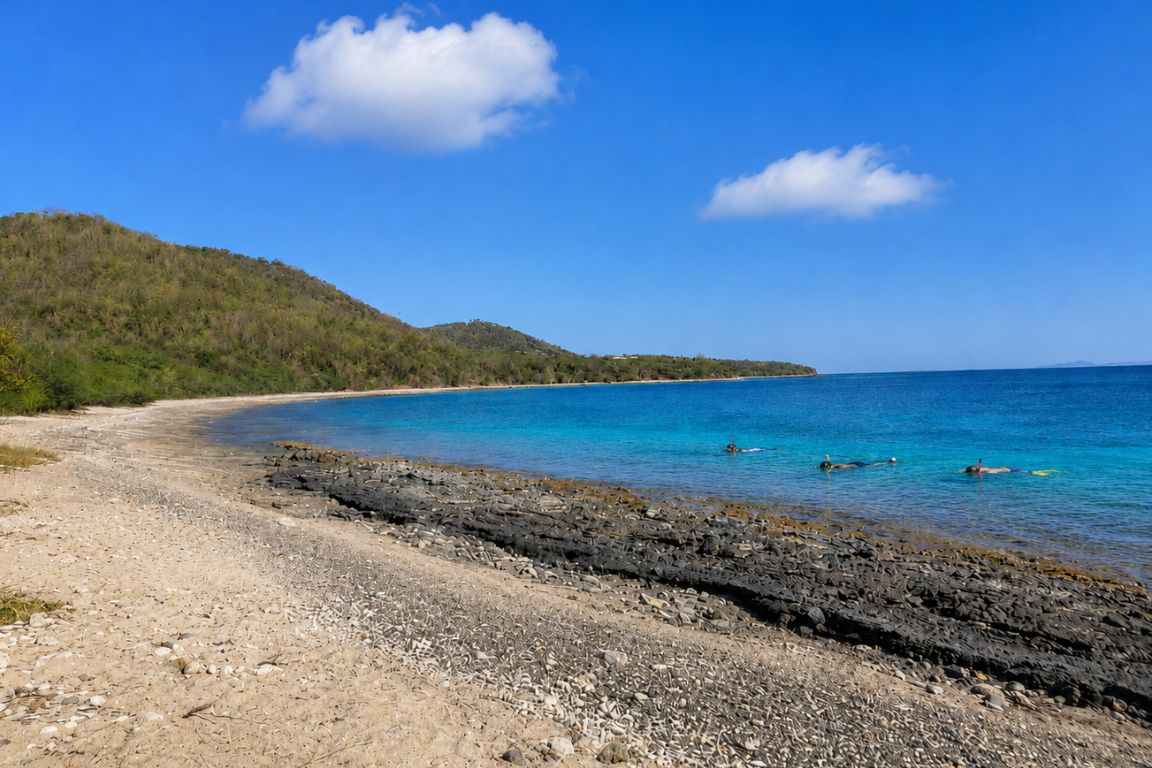 Tamarindo Beach is the best beginner snorkeling beach in Culebra if sea turtles are the goal, and Flamenco’s eastern reef is the best if you want facilities nearby and a gradually increasing challenge. Both offer calm, protected water, marine life visible within a short swim from shore, and conditions that do not demand experience or fitness. Flamenco gives beginners the safety net of a lifeguard and kiosks steps away. Tamarindo gives them turtles.
For true first-timers who have never worn a snorkel mask, Flamenco is the right starting point. The water entry is sandy and gradual. The reef begins where the sand ends and the rocks start at the eastern end, a clear landmark that tells you when you have reached the right zone. The water in the bay is almost always calm. If your mask fogs or your snorkel fills, you can stand and sort it out. The kiosk where you rented the gear is 200 meters away.
Tamarindo works for beginners who are comfortable in the water but have limited snorkeling experience. The sea grass zone is shallow enough to stand in if needed. The turtles are calm and unhurried. The main challenge is the rocky shore entry, which water shoes solve completely. A first-timer who takes fifteen minutes to figure out their gear at Tamarindo is still likely to have a turtle encounter within forty-five minutes of arriving. That combination of accessible difficulty and exceptional payoff is why Tamarindo remains our most recommended site for guided beginner groups.
First time on Culebra and trying to figure out how to split your beach time? Our guide on Flamenco Beach vs Tamarindo Beach makes the decision pretty straightforward.
Which Snorkeling Beach Is Best for Experienced Snorkelers?
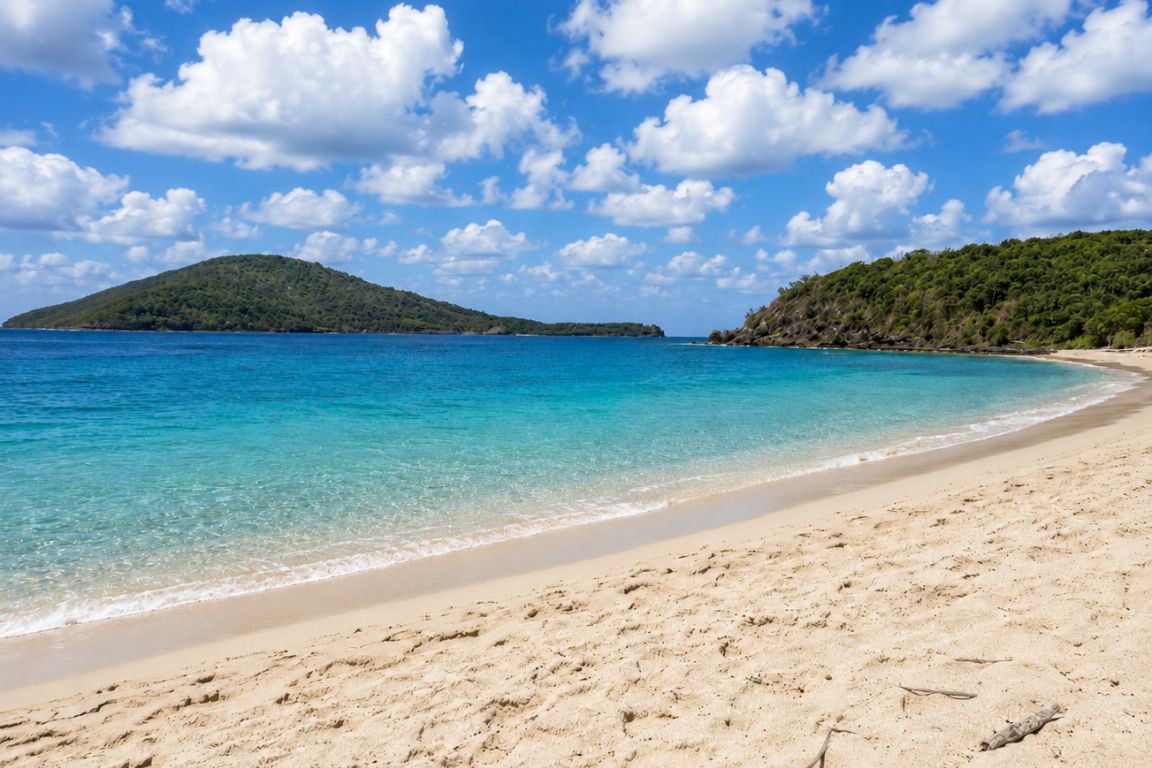 Carlos Rosario is the best snorkeling beach on Culebra for experienced snorkelers who want reef depth, coral diversity, and density of marine life. Culebrita is the best overall site if you count the water taxi as an acceptable prerequisite. For experienced snorkelers who want turtles rather than reef structure, Tamarindo delivers them reliably in a more intimate setting than any boat-tour reef stop.
Carlos Rosario at 15 to 25 feet is where Culebra’s reef quality becomes most visible. The University of Puerto Rico has active coral planting programs in this area, and the reef structure reflects decades of no-take protection. Moray eels occupy crevices in the brain coral formations. Southern stingrays rest on the sandy bottom between coral heads. Parrotfish graze in groups. Dense schools of blue tang move as coordinated units through the deeper water. The visibility range on a calm February or March morning can push past 60 feet, which means you can see the reef wall below you while floating at the surface with a kind of clarity that makes the water look almost unreal.
The practical consideration: Carlos Rosario requires effort. The 20-minute trail from Flamenco’s parking lot is exposed to sun and involves uneven terrain. You arrive carrying everything you need because there is nothing there. The snorkeling is worth it every time for anyone who makes the commitment. But it is not a drop-in site like Melones or the Shark Cages at Flamenco.
Trying to find a snorkel experience that goes beyond the obvious beach spots? Here’s the best snorkeling tours in Culebra so you get to the reefs most visitors never find on their own.
What Is the Luis Peña Channel Natural Reserve and Why Does It Matter?
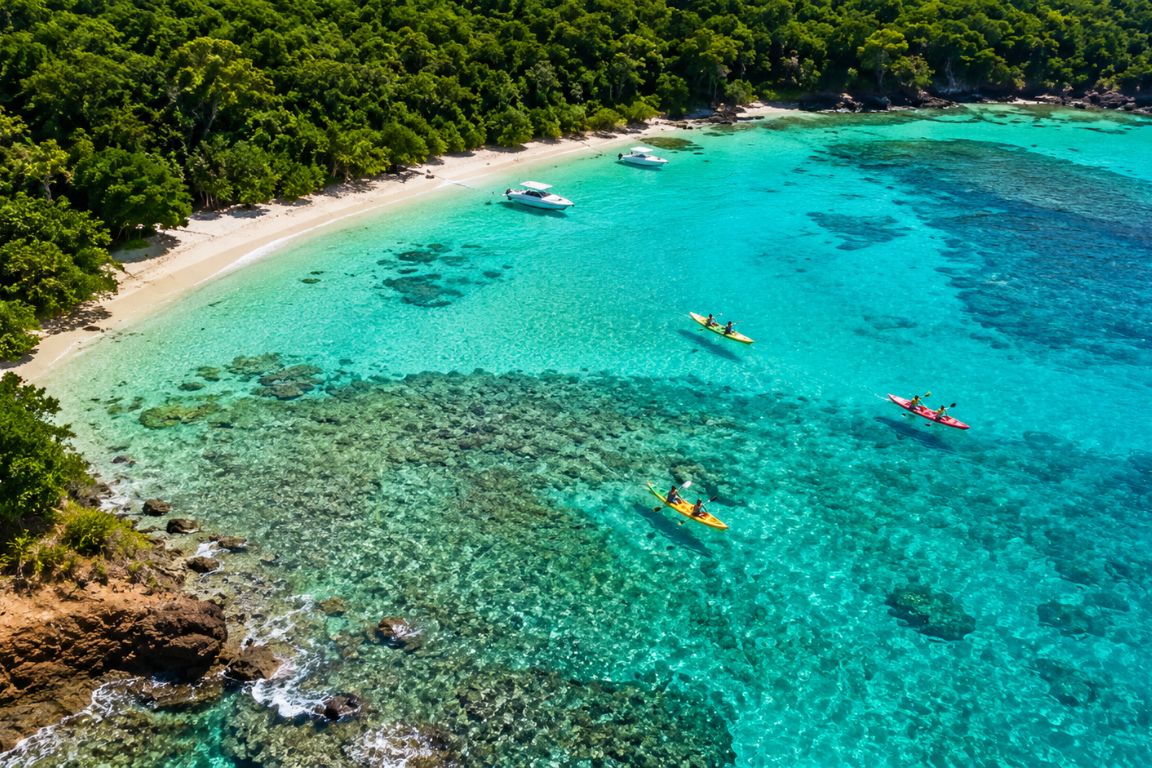 The Luis Peña Channel Natural Reserve, designated in 1999, was Puerto Rico’s first no-take marine reserve: a protected area where no fishing, no anchoring on coral, and no removal of any marine life is permitted. The reserve covers the channel between Culebra’s western shore and Cayo Luis Peña, encompassing Carlos Rosario, Tamarindo, Tamarindo Grande, and Melones beaches. It has the highest documented coral cover in Puerto Rico and is a NOAA-recognized priority coral reef conservation area.
The no-take designation is not symbolic. In 1999, Culebra’s fishers themselves recommended the reserve after watching local fish populations decline for decades. The Culebra Fishers Association, founded in 1967, had been advocating for small no-take reserves since 1980 as a tool to recover depleted fisheries. The reserve was created because of community action, not government initiative. That origin story explains why the local commitment to protecting it is genuine and durable.
What the no-take status produces over 25 years is visible to every snorkeler who enters the reserve’s waters. Fish are larger and less wary than at comparable sites without protection. Coral cover is higher. Turtle populations have stabilized. The sea grass beds that support turtles and juvenile reef fish are intact. NOAA coral reef surveys have consistently identified this reserve as one of the healthier Caribbean reef systems despite the 2023 to 2024 global bleaching event that stressed reefs across the Atlantic.
The rules are clear and the stakes are real. No fishing. No spearfishing. No collecting shells, coral, or any natural material. No anchoring on the coral. Reef-safe sunscreen only. These are not bureaucratic inconveniences. They are the conditions that make the snorkeling here worth the trip from the mainland.
What Our Snorkeling Groups Report by Site
From over a decade guiding snorkeling groups through Culebra’s beaches and reserve, we track which sites consistently deliver the experiences our travelers came for.
| Tamarindo Beach | 91% | 9.6 | “Better than any snorkeling I’ve done anywhere” |
| Carlos Rosario | 61% | 9.4 | “The reef is unbelievable. Wish we had more time.” |
| Melones Beach | 58% | 8.9 | “Perfect afternoon spot. Easy to combine with Flamenco.” |
| Flamenco (eastern reef) | 22% | 8.3 | “Good for first timers. Fish were everywhere.” |
| Culebrita | 78% | 9.7 | “The best snorkeling of my life. The tidal pools are insane.” |
What Should You Know Before Snorkeling in Culebra?
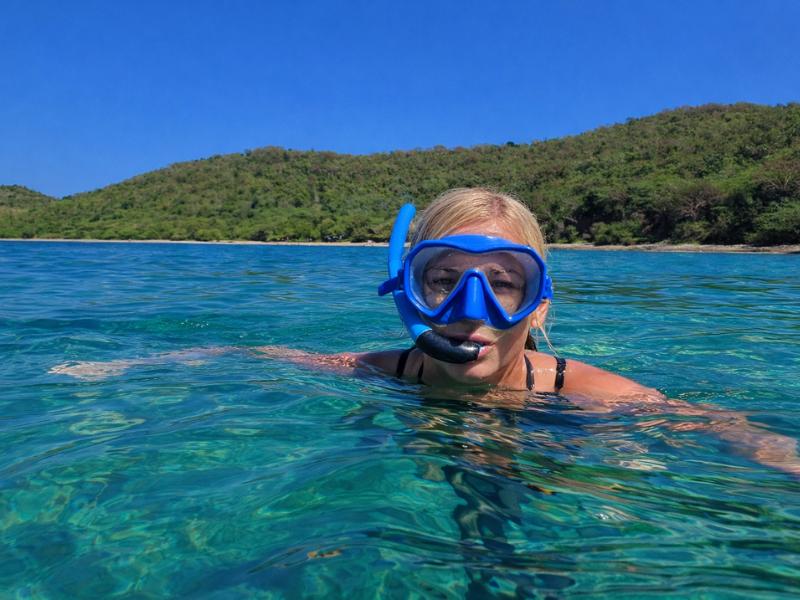
Four things matter most: use reef-safe mineral sunscreen (required in protected reserve waters), bring water shoes for rocky entries at Tamarindo, Melones, and Carlos Rosario, snorkel in the morning when visibility and marine life activity are highest, and never touch or chase sea turtles. Everything else is secondary to these four rules, which protect both you and the reef ecosystem you came to see.
Reef-safe sunscreen is the one rule with no exceptions. The Luis Peña Channel Natural Reserve is federal marine habitat. Chemical sunscreens containing oxybenzone or octinoxate enter the water directly from your skin and contribute to coral bleaching and reef degradation. Mineral sunscreen with zinc oxide or titanium dioxide as active ingredients is what you use in Culebra’s waters. Apply it at least 30 minutes before entering the water, on land, not on the boat. The island’s small grocery store in Dewey has limited stock; bring it from the mainland.
The best snorkeling window is between 7 and 11 AM. Visibility is highest when the sun is lower and the water has had overnight stillness to settle. Marine life is most active in the morning: turtles are feeding, reef fish are moving between coral heads, stingrays are cruising the sandy areas. By early afternoon on busy days, boat traffic and swimmer activity stir up the water column and reduce visibility. An hour of morning snorkeling at Tamarindo is worth two hours of afternoon snorkeling at the same site.
Snorkel with a buddy. Culebra’s reserve beaches have no lifeguards. The water conditions are generally calm, but currents can develop at Carlos Rosario as you swim toward the point of the reef. A snorkel vest or pool noodle is worth using even for confident swimmers; it conserves energy and keeps you at the surface where you belong rather than inadvertently touching the reef.
When Is the Best Time to Snorkel in Culebra?
The best months for snorkeling in Culebra are February through May: dry season water clarity at its peak, water temperature in the comfortable mid-to-upper 70s°F, and sea turtle feeding activity consistent throughout the reserve. The best time of day is before 11 AM. The best days are midweek, when fewer boat tours are operating and the snorkeling sites are less crowded.
February is the peak visibility month. The dry season trade winds keep the water settled and clear, and February’s water temperature, running around 77 to 78°F, is warm enough for extended snorkeling without a wetsuit for most people. The sea turtle population at Tamarindo is active year-round, but the combination of peak visibility and minimal boat traffic in February makes the morning sessions in the reserve as good as they get.
April through May is the best shoulder-season window: dry-season visibility holds through May, the water warms slightly to 80 to 82°F, and the crowd level drops significantly after Easter. The ferry is easier to book, the reserve beaches are quieter, and Tamarindo in late April is often a nearly private turtle snorkeling session with nobody else in the water.
Summer (June through August) brings warmer water (82 to 84°F) that is spectacularly comfortable for extended snorkeling, but visibility can be slightly reduced compared to the dry season as tropical weather patterns bring more particulates into the water column. Sargassum seaweed can accumulate on east-facing shores between June and October; the reserve beaches on the west coast are generally protected from this.
Avoid planning critical snorkeling sessions for the afternoon of any day, or for days when the sea is running rough. Check conditions at the Flamenco Beach flag station before heading to any of the reserve beaches. If conditions at Flamenco are rough (yellow or red flag), the conditions at Carlos Rosario and the open part of the reserve will be worse.
Not sure when to go or what each season actually feels like on a small island like this? This breakdown on the best time to visit Culebra tours covers weather, crowds, and ferry availability month by month.
Frequently Asked Questions
Can you snorkel with sea turtles in Culebra without a guide?
Yes. Tamarindo Beach is road accessible, free, and consistently delivers turtle encounters without a guide. Swim out 30 to 60 yards to where the sea grass transitions to scattered coral heads and move slowly. Water shoes are required for the rocky shore entry. No facilities on site, so bring everything you need.
What is the best beach to snorkel in Culebra for beginners?
Flamenco Beach’s eastern reef for the easiest conditions and facilities nearby. Tamarindo Beach for the best wildlife encounter with accessible depth and calm water. Both are suitable for first-time snorkelers who are comfortable in the water.
Is the snorkeling at Culebra reef-safe sunscreen only?
Yes. The Luis Peña Channel Natural Reserve is protected federal marine habitat. Chemical sunscreens damage coral reefs. Mineral sunscreen with zinc oxide or titanium dioxide is required. Reputable local tour operators enforce this. Bring it from the mainland; the island’s supply is limited.
How do you get to Carlos Rosario Beach for snorkeling?
Two options. Walk the trail from Flamenco Beach’s parking lot: look for the gate at the back of the lot, follow the coastal trail for about 20 minutes until you reach Tamarindo Grande first, then continue to Carlos Rosario. Or arrive by kayak or water taxi from Dewey. No facilities at the beach. Bring water, food, and all snorkeling gear.
What sea turtles can you see in Culebra?
Green sea turtles (herbivores, commonly seen grazing sea grass at Tamarindo and Melones) and hawksbill sea turtles (reef-associated, more commonly spotted at Carlos Rosario and around Culebrita). Both species are protected under the Endangered Species Act. Leatherback turtles nest on Culebra’s beaches (Zoni and Playa Brava) between February and July but are rarely seen while snorkeling.
Written by Camila Elena Ramirez
Puerto Rican tour guide since 2014 · Founder, Culebra Tours
Camila has guided over 15,400 travelers through Culebra and the Spanish Virgin Islands since founding the agency.