Best Time to Visit Culebra
The best time to visit Culebra is late April through early June, when you'll enjoy great weather, warm water, and fewer crowds without paying peak-season prices.
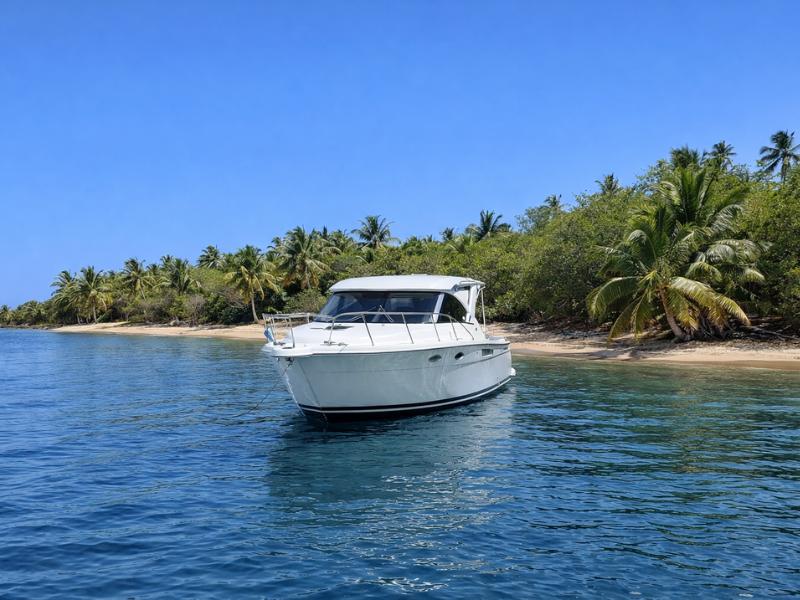
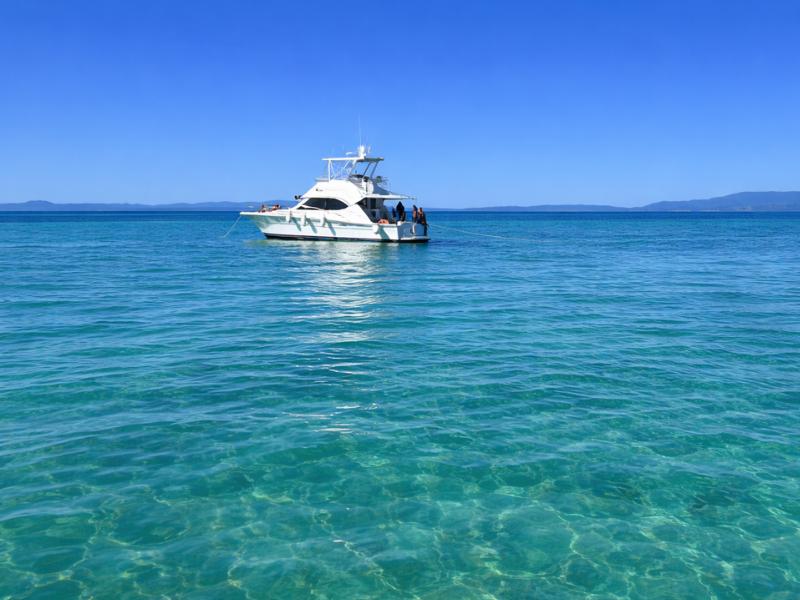
Ferry tickets, island transport, guided Tamarindo shore snorkeling, gear, snacks and Flamenco entry. Lunch extra. Explore Culebra Snorkel with Turtles & Flamenco Beach Adventure by Ferry
The sweet spot is late April through early June: dry-season weather without the December-to-March crowds or the price premiums. December through March is peak season with the best weather but heavy demand, sold-out ferries, and top-dollar lodging. Summer brings warm water and a local festival vibe but afternoon rain. Hurricane season runs June through November; avoid August through October unless you have flexible travel insurance and enjoy the risk. Ferry tickets release 30 to 90 days out and sell out within hours on weekends and holidays.
Booking Choice: Ceiba ferry terminal; return to Ceiba. Check Dates For Tamarindo And Flamenco By Ferry
Quick Facts: Culebra Weather and Seasons at a Glance
| Peak / Dry Season | Dec – Apr | 75-82°F | Low | Very High | Books out fast. Reserve 60-90 days out. |
| Shoulder / Sweet Spot | Late Apr – Jun | 80-85°F | Low-Medium | Medium | Much easier. Still book 2-3 weeks ahead. |
| Summer / Local Season | Jul – Aug | 86-91°F | Medium | High (local) | Moderate. Weekends still fill up. |
| Hurricane Season Peak | Sep – Oct | 84-87°F | High | Low | Easy to get tickets. Cancellations common. |
| Early Off-Season | Nov | 80-84°F | Medium-High | Very Low | Easy. Best prices of the year. |
Prices and seasonal data verified July 2026. Ferry fares: adult one-way $2.25 USD plus $2 environmental fee for non-residents (as of May 2026).
What Is the Best Month to Visit Culebra for Good Weather?
 The best months for weather in Culebra are February through April, when rainfall is at its lowest, skies are reliably clear, and temperatures sit in the comfortable mid-70s to low 80s. For travelers who also want manageable crowds and easier ferry access, late April and May offer nearly identical conditions with significantly less competition for tickets and guesthouses.
February is the driest month on record, averaging under three inches of rain for the entire month. That stat matters on a small island with no large resorts to hide in when the weather turns. When it rains on Culebra, your day changes completely. The ferry might get rough. Flamenco can go from postcard-blue to slate grey in under an hour.
March is close behind in dryness, but spring breakers have figured this out. The ferries run packed on weekends from mid-March through Easter week, and lodging in Dewey that would normally run $150 a night can push toward $250. The weather is still great. The vibe shifts a bit.
April after Easter is one of those quiet windows that experienced Culebra visitors know and protect. Temperatures climb slightly, sitting around 80 to 85°F most days. Rain showers start appearing in the late afternoon, brief and warm, gone before dinner. The beaches clear out. The reef fish don’t notice any of this. Snorkeling in the Luis Peña Channel Natural Reserve in late April, when visibility pushes 60 to 80 feet, is some of the best we see all year with our groups.
Trying to plan a Culebra trip without the usual tourist headaches? Here’s how to visit Culebra tours so you spend your time on the beach and not sorting out logistics on the ground.
What Is Culebra Like During Peak Season (December to April)?
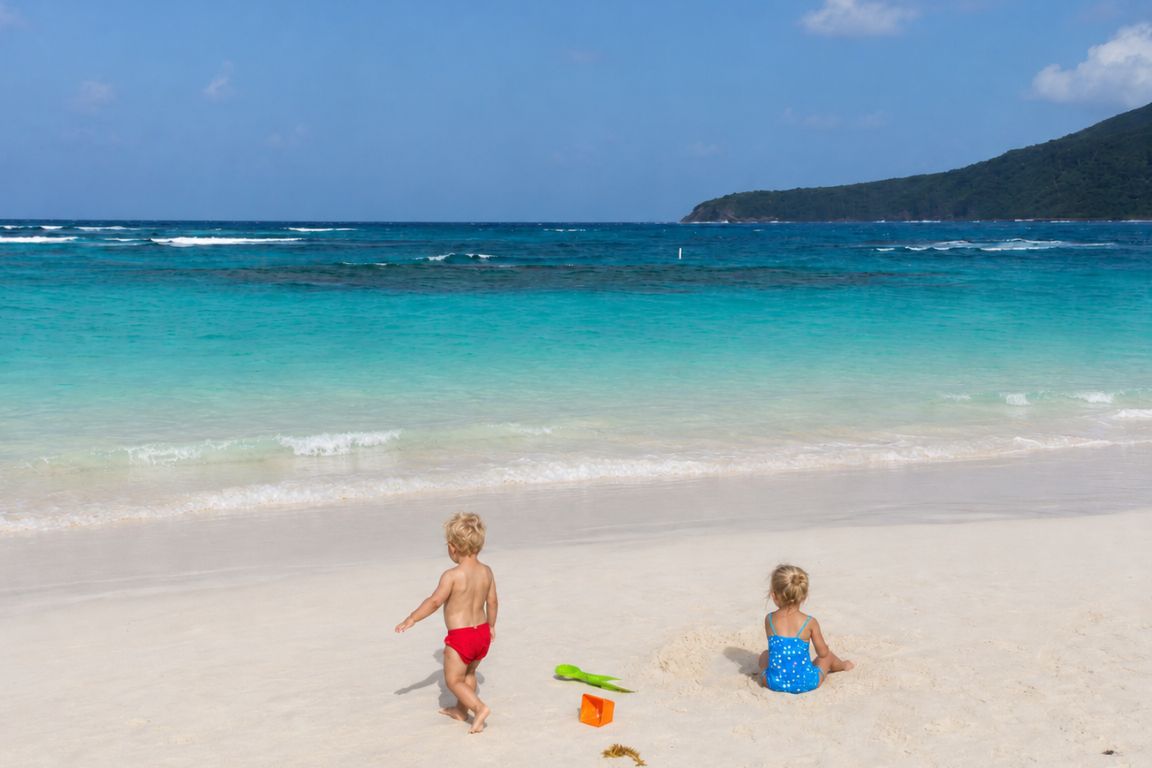 Peak season in Culebra runs December through April, bringing the island’s best weather: dry skies, light winds, temperatures in the mid-70s to low 80s, and calm seas for snorkeling. The tradeoff is real. Ferry tickets sell out days or weeks in advance on weekends and holidays, guesthouses and villas book months out, and Flamenco Beach fills by mid-morning. Plan ahead or plan around it.
The crowds follow the weather, and the weather in this window is genuinely excellent. Winter trades in the Caribbean mean steady winds that keep humidity down and blow any afternoon clouds through quickly. Daytime highs in January and February hover in the upper 70s, cooling to the low 70s at night. It is, objectively, some of the most pleasant beach weather in the Caribbean.
Here is what nobody tells first-time peak-season visitors: the ferry is the chokepoint, not the beach. Flamenco is large enough to absorb a significant crowd, especially if you walk past the umbrella rental station toward the tank wreck end. But there are only so many seats on the boat from Ceiba, and those seats fill up within hours of being released online, which happens 30 to 90 days before travel dates. Miss that window and you are either flying into CPX (the small island airport, which adds cost but removes logistics headaches) or showing up at the Ceiba terminal early and hoping for walk-up cancellations.
The Christmas and New Year’s window is the tightest of the whole year. Book that trip three months out or accept that you will be flying. Spring break, meaning the two weeks around Easter and the extended U.S. college breaks in March, is the second most congested window. Prices at every level, from the basic guesthouses to the nicer rental villas outside Dewey, reflect the demand.
If you are committed to peak season, go midweek. A Tuesday to Thursday visit in January gets you peak-season weather with noticeably fewer people on the ferry, easier golf cart and Jeep rentals in Dewey, and shorter waits at the handful of restaurants that serve food worth eating.
Not sure what makes Flamenco Beach worth the trip or how to visit without the crowds ruining it? This Flamenco Beach guide covers the best times to go, what to bring, and where to set up.
Is Summer a Good Time to Visit Culebra?
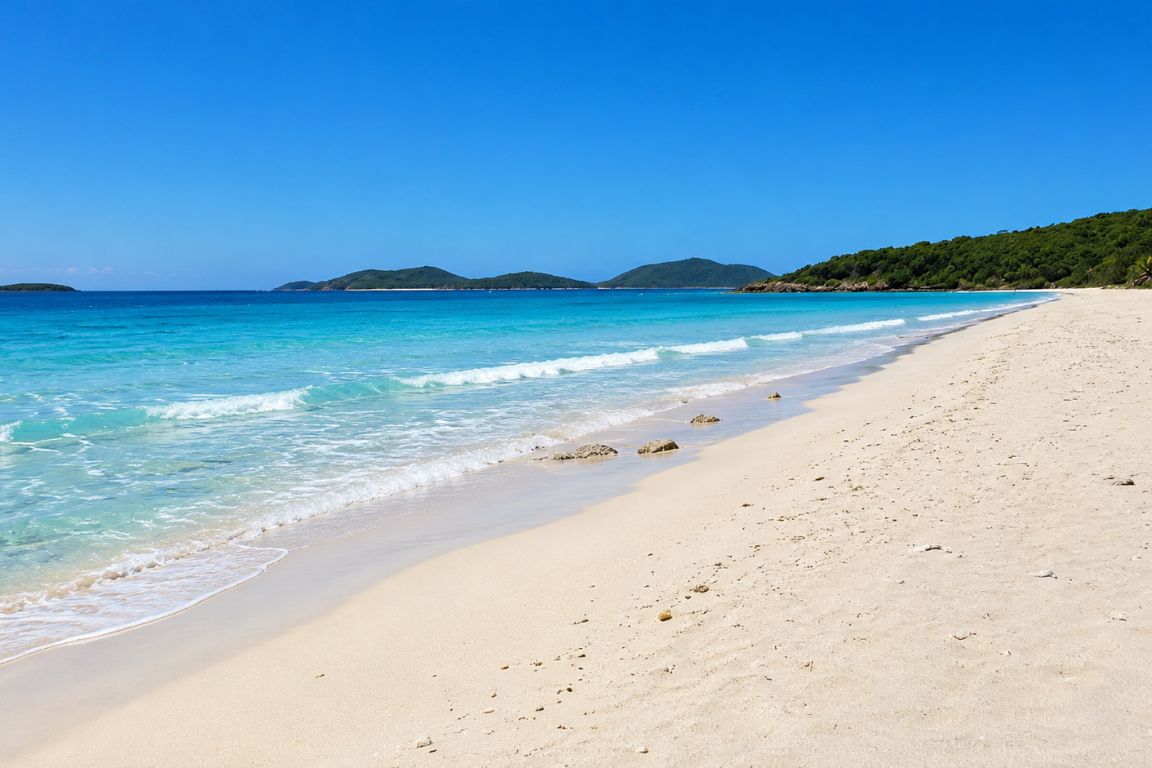 Summer in Culebra, roughly June through August, is hotter and wetter than the dry season but far from a washout. Afternoon showers are common and brief. The water is at its warmest. Puerto Rican families flood the island during school vacation, especially on weekends, creating a festive local atmosphere that feels completely different from the tourist-heavy winter months.
There is a version of Culebra in July that most mainland visitors never experience. Weekend afternoons at Flamenco, the kiosks are going, families have staked out spots with coolers and folding chairs, salsa comes from somewhere, and the water is so warm it barely registers when you walk in. It is loud and alive in the best way. Come back on a Tuesday and the whole beach is yours again.
The heat is real. August daytime highs can touch 91°F, and the humidity that the dry season trade winds kept manageable is now present and accounted for. Afternoon rain showers are common, typically building between 2 and 5 PM before clearing by evening. Most do not ruin a beach day because Culebra’s showers tend to move fast. A full-day rain event in summer is relatively rare but not unheard of.
The water temperature in summer, sitting around 82 to 84°F, means coral reef snorkeling is spectacularly comfortable. The visibility at the Luis Peña Channel Reserve is not quite at its February peak, but the marine life is active and the water is warm enough that you can stay in for hours without any discomfort.
Sargassum seaweed is a variable that summer travelers should track. The Caribbean sargassum belt peaks between roughly May and October, and while Culebra’s northwest-facing beaches like Flamenco are somewhat protected by the island’s orientation, Zoni Beach and the eastern shores can see accumulations during heavy weeks. Check the CARICOOS sargassum tracker before your trip if you are visiting between June and September.
Every beach here has its own personality and some are worth the extra effort to reach. Here’s the best beaches in Culebra tours so you don’t spend all your time at the most crowded one.
What Happens in Culebra During Hurricane Season?
Hurricane season officially runs June 1 through November 30, but the real risk window for Culebra is late August through October. Most years pass without a direct hit. A direct hurricane strike on the island is statistically uncommon, but the consequences when one does hit are severe for a small island with limited infrastructure. Travel insurance is not optional during this window.
Culebra took a serious blow from Hurricane Irma in September 2017, followed by Maria two weeks later. The island rebuilt, but locals remember exactly how fast things can change. Historically, major storm impacts have happened roughly every four years on average, though that pattern is less predictable than it used to be.
The bigger everyday risk during hurricane season is not a full storm. It is ferry cancellations and weather-related day losses. A tropical wave moving through the region can shut the Ceiba-Culebra ferry down for 24 to 48 hours without a storm ever forming into anything named. If you have a rigid return flight booked out of SJU, this is a real problem on a small island with limited accommodation.
September is the most active hurricane month by historical data. We advise clients who want to visit during this period to book fully flexible tickets, purchase trip interruption insurance with a storm clause, and confirm their accommodation has backup power and water storage. October is statistically calmer and offers some of the year’s best pricing combined with genuinely good beach days when the weather cooperates.
The silver lining of hurricane season is real: hotels and guesthouses can be 30 to 50% cheaper than peak season. Flamenco Beach on a clear October morning, with almost nobody on it, is one of those rare things that feels unfair to the people who paid peak-season prices.
No excursion can guarantee operation during a storm or protect an onward flight connection. Keep your dates flexible and review the actual cancellation terms before committing.
When Is Culebra the Least Crowded?
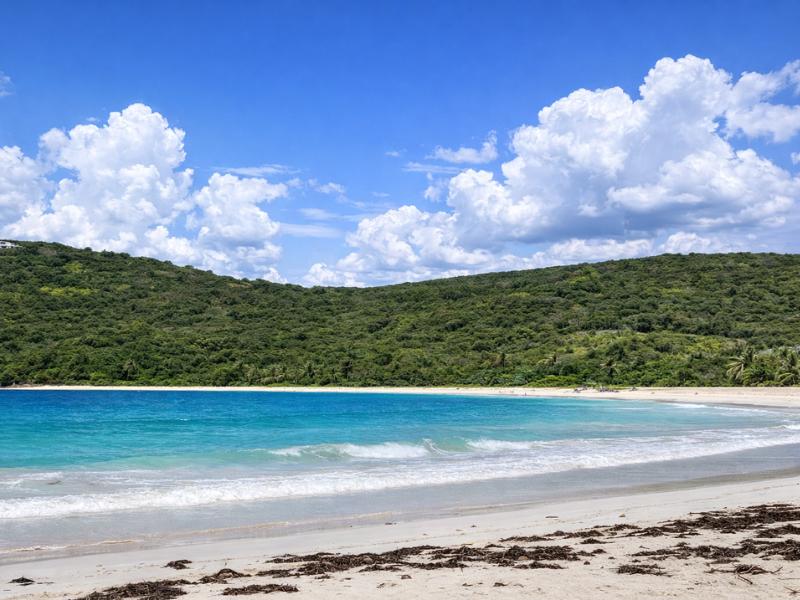
Culebra is least crowded in November and early December, and again in September (though hurricane risk makes September a gamble). Late April through mid-May offers the best combination: crowds drop sharply after Easter, the dry-season weather holds for several more weeks, and ferry tickets are suddenly available with normal booking timelines.
November is the most underrated month on the island. Hurricane season is winding down, temperatures have softened from the summer peak, and the main tourist push from the mainland has not yet started. The last week of November into early December, before Christmas bookings kick in, is a genuine window where you can walk onto a ferry without months of advance planning and find lodging in Dewey at reasonable rates.
The logic most travelers miss: there is no bad weather month in Culebra in an absolute sense. The island averages in the 80s year-round. The question is always relative. Dry season weather is more reliable, but the gap between a good week in November and a good week in February is smaller than most people imagine. The crowds gap is much larger.
Questions about timing? Camila and the team at Culebra Tours answer them daily and can tell you what is currently available on the island before you commit to dates.
A Month-by-Month Breakdown: When to Go Based on Your Priorities
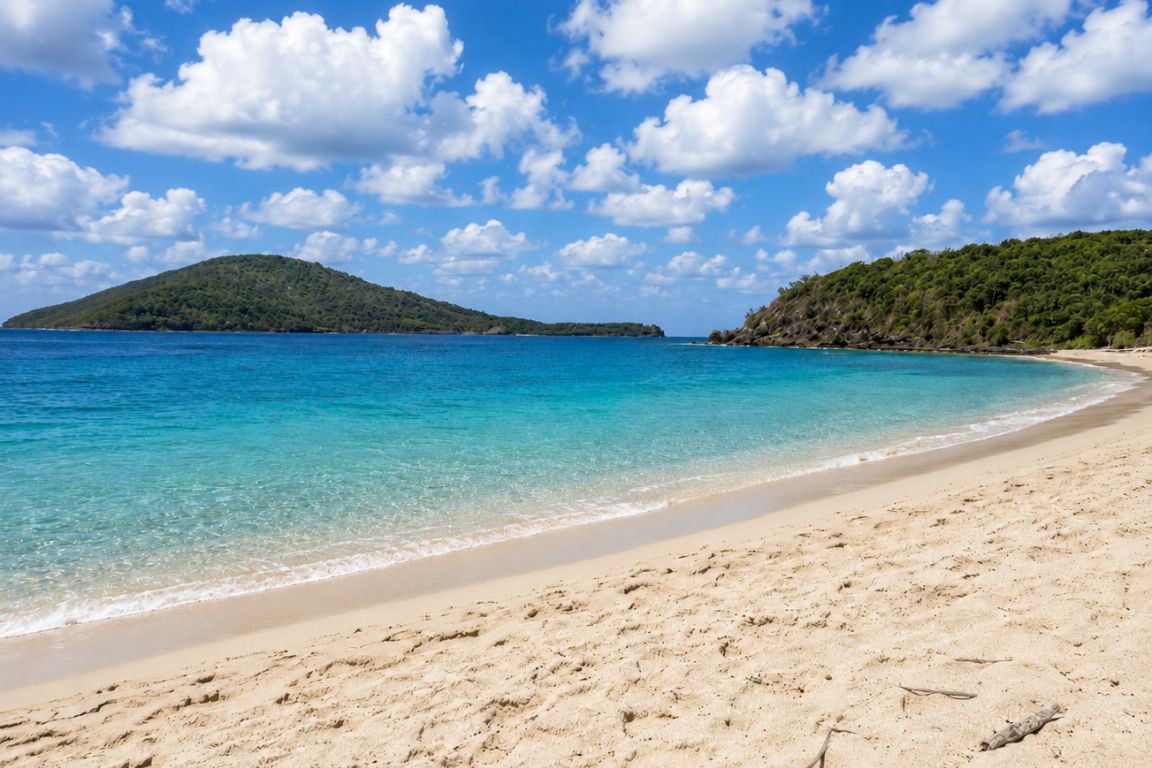 Every month in Culebra has a different personality. Some are ideal for first-timers chasing good weather with manageable crowds. Others belong to travelers who value solitude over certainty. Here is what to expect, honest about the tradeoffs, month by month.
January
January is deep peak season, and the island knows it. The holiday crowds that started building in mid-December are still here through the first week or two, and the weather that drew them is genuinely good: dry, clear, daytime highs in the upper 70s, trade winds keeping everything comfortable. Flamenco fills up by mid-morning on weekends. The ferry is hard to get if you have not booked well in advance. Midweek visits in January are noticeably calmer than weekends, and that midweek rhythm, a Tuesday arrival with a Thursday return, is the move for travelers who want peak-season weather without the peak-season scramble at the Ceiba terminal.
February
February is the driest month of the year on Culebra, averaging under three inches of rainfall, and the trade winds that keep humidity down are at their most consistent. Water visibility at the Luis Peña Channel reef pushes 60 to 80 feet some days. The beach at Flamenco has that specific shade of turquoise that travel photos can barely capture. It is also still peak season, meaning ferry tickets require planning, guesthouses charge their highest rates, and the island is not quiet. But if you can only go once and you care most about weather, February is hard to argue against. Book ferry tickets the moment they enter the 30 to 90 day release window or accept that you will be flying in.
March
March brings spring breakers, and Culebra is not immune. The Easter window and the extended U.S. college break weeks in March are the busiest ferry days of the entire year. The weather is still dry and excellent, temperatures sitting in the high 70s to low 80s, but the island carries a different energy. If you go in March, go midweek and get to Flamenco before 9 AM. The section of beach past the old tank wreck clears out faster than the main stretch. March is a great month to visit if you know what you are doing. For first-timers trying to figure out the ferry and the golf cart rentals while also navigating crowds, April or May will serve you better.
April
April has two distinct personalities depending on whether Easter has passed. Before Easter, it is still technically spring break territory, ferries are packed on weekends, and prices stay high. After Easter, something shifts. The mainland crowds thin quickly, lodging prices drop, and the weather barely notices. Afternoon showers start making occasional appearances in late April, brief and warm, usually gone by evening. The water is getting warmer, the reef at Carlos Rosario is as good as it gets all year, and you can find accommodation that was fully booked a month earlier. Post-Easter April might be the single best week on the island for first-time visitors who did their planning.
May
May is our most recommended month for travelers asking us where to find the balance between weather and crowds. You still get dry-season-adjacent conditions: rain showers are more common than in February but they are short, temperatures sit in the low to mid-80s, and the water is warm enough that snorkeling in the Luis Peña Channel feels like swimming in a bathtub. Ferry tickets are available with two to three weeks notice rather than two to three months. Guesthouses have room. The beach at Flamenco is busy but not packed. The one thing to watch: sargassum season is beginning, and if there is a heavy accumulation week, east-facing beaches like Zoni can get hit. Flamenco tends to stay clearer. Check the CARICOOS tracker before you finalize dates.
June
June straddles two seasons and benefits from both. The weather is still mostly good, especially in the first half of the month, with afternoon showers becoming more regular but rarely lasting all day. Hurricane season officially begins June 1, though meaningful storm activity is uncommon until August. The bigger shift is cultural: Puerto Rican school vacations start, and the island begins its summer local season. Weekends pick up, the kiosk scene at Flamenco gets livelier, and the water, now pushing 82°F, is magnificent for snorkeling. June is a solid choice for budget-conscious travelers who buy travel insurance and are not locked into rigid return dates. The savings compared to April are real.
July
July is the month when Culebra belongs to Puerto Rico. Families from the mainland arrive with coolers and folding chairs and a particular ease that makes weekend Flamenco feel like a community event rather than a tourist destination. The kiosks run full hours, there is music from somewhere, kids are in the water from 8 AM until sunset. It is loud and alive in a way that January never quite is. Weekday July, though, is a completely different experience: the same beach nearly empty, the same water at 83°F, the same reef with nobody else on it. The trade-off is the heat, real and humid, with afternoon highs nudging 88 to 90°F. Weekend ferries still require advance booking. Midweek, everything relaxes.
August
August is the hottest month, daytime highs can touch 91°F, and it is the beginning of the serious hurricane risk window. Afternoon rain showers are reliable, building most days between 2 and 5 PM before clearing by evening. On a good August week, none of this matters: the water temperature is at its peak, the island is quiet by mainland tourist standards, and Flamenco Beach has a private-beach quality that would cost serious money anywhere else in the Caribbean. On a bad August week, a tropical wave rolls through and you lose two days to grey skies and rough ferry conditions. This month is for travelers who understand the risk, buy comprehensive travel insurance with cancellation coverage, and keep their return booking flexible. It is not for anyone with a tight itinerary or a rigid departure flight.
September
September is the most active hurricane month in the Atlantic basin, and Culebra sits directly in the historical path. The island can have stunning September weeks, clear and warm with almost no one on the beach, prices at their yearly lowest, and a sense of having the whole place to yourself. It can also lose days to storm prep, ferry cancellations, and the kind of grey, unsettled weather that makes a small island feel very small. We do not recommend September to clients unless they are fully flexible on dates, have trip cancellation insurance in place, and genuinely understand that the trip might not happen as planned. The upside is real. So is the downside.
No excursion can guarantee operation during a storm or protect an onward flight connection. Keep your dates flexible and review the actual cancellation terms before committing.
October
October is the month where the hurricane season starts losing its grip, and smart travelers know it. The first two weeks carry some tail risk, but by the third week of October the statistical danger drops sharply and the weather begins improving. Prices are still at low-season levels, the beaches are nearly empty, and the island’s handful of restaurants and shops are still operating at full capacity, unlike November when some start winding down. An October visit from the 15th onward, booked with travel insurance and flexible tickets, is one of the better-value weeks on the island. The water is warm from the summer, visibility is recovering, and you will have Flamenco to yourself in a way that no February visitor ever will.
November
November does not get the credit it deserves. Hurricane season is functionally over by the first week of the month, temperatures have dropped from the summer peak to a comfortable 80 to 84°F, and the beaches are as empty as they ever get. Ferry tickets are easy to obtain on short notice. Guesthouses drop their rates significantly. Some tour operators and a few restaurants pull back their hours or close for a week or two of post-season maintenance, so it pays to call ahead and confirm what is open before you commit to dates. But for travelers who have already been to Culebra once and want to feel the island on its own terms, without the crowd noise and the logistical gymnastics of peak season, November is quietly excellent.
December
December is split down the middle. The first two weeks feel like a continuation of November: quiet, affordable, improving weather, easy ferry access. Then around December 15, the switch flips. Holiday travelers arrive, prices jump to their annual peak, and the Christmas and New Year’s window becomes the hardest ferry booking of the entire year. The weather is earning those prices: dry, clear, temperatures settling into the mid-70s at night, the reef at peak visibility for the year. If you want to visit Culebra in December, either go in the first two weeks before the surge or plan three to four months ahead for the holiday stretch and accept that you are paying peak-season rates for peak-season conditions. Both are valid choices. The mistake is booking the holiday week in October and expecting to find ferry tickets.
| January | Excellent. Dry, 76-80°F, clear skies. | High. Holiday crowds linger through early Jan. | Snorkeling, beach days, reliable weather. | Ferry tickets selling out. Book 60+ days ahead. |
| February | Best of the year. Driest month, 75-80°F. | High but manageable midweek. | Perfect conditions for everything. | Still peak pricing. Reserve early. |
| March | Excellent. Still dry, 77-82°F. | Very High. Spring break peak around Easter. | Experienced Culebra visitors who know to go midweek. | Busiest ferry days of the year. Plan 60-90 days out. |
| April | Great. Light afternoon showers start late month. | High early, drops sharply after Easter. | Post-Easter visit: peak weather, normal crowds. | Early April is still spring break territory. |
| May | Very good. Brief showers, 80-85°F, warm water. | Medium. Strong sweet-spot month. | First-timers wanting best weather without crowds. | Sargassum can appear on eastern beaches. Check tracker. |
| June | Good. More afternoon showers, warmer and humid. | Medium. Start of local summer season. | Budget travelers, longer stays, snorkeling in warm water. | Hurricane season begins June 1. Get travel insurance. |
| July | Hot and humid, 86-90°F. Showers common. | High on weekends (Puerto Rican families). Low midweek. | Experiencing local island culture. Festive beach vibe. | Weekend ferries book out. Go midweek for easiest access. |
| August | Hottest month. Up to 91°F. Afternoon rain likely. | Moderate. Fewer mainland tourists. | Budget travelers with flexible itineraries. | Peak hurricane risk begins. Travel insurance essential. |
| September | Variable. Can be beautiful. Can be disrupted. | Very Low. Quietest month. | Risk-tolerant travelers wanting total solitude and low prices. | Most active hurricane month. Not recommended without full flexibility. |
| October | Improving. 84-87°F, rain starting to decrease. | Very Low. | Solitude seekers who want low season prices with improving weather. | Hurricane tail risk continues into mid-October. |
| November | Good and improving. 80-84°F. | Very Low. Most underrated month. | Experienced travelers who want easy ferry access and low prices. | Some tour operators and restaurants reduce hours. |
| December | Excellent from mid-month. Dry, clear, comfortable. | High from mid-December. Christmas/New Year surge. | Holiday visits. Best weather of the year returns. | Last two weeks are the hardest ferry tickets to get all year. |
How Does the Ferry and Flight Schedule Change by Season?
 The ferry from Ceiba runs more departures per day in summer and peak holiday periods than it does in slower months, but the real seasonal variable is ticket availability, not schedule. In peak season, tickets for weekend crossings can sell out within hours of becoming available online. In low season, you can often buy tickets the same week. Flights from San Juan to Culebra Airport (CPX) are less affected by season but book up on holiday weekends.
The Ceiba to Culebra passenger ferry crosses roughly 1.5 hours on cargo vessels, under an hour on faster passenger boats. The official operator is Puerto Rico Ferry, and tickets release online 30 to 90 days before travel. Current fares as of May 2026: $2.25 per adult one-way, plus a $2 environmental preservation fee for non-residents. Seniors 60 to 74 pay $1.00; seniors 75 and older travel free. Cargo ferry crossings take longer than the passenger-only boats, so check what you are booking.
Not sure about schedules, prices, or how early you need to arrive to guarantee a spot? This ferry to Culebra guide covers everything you need to know before you commit to the crossing.
The detail that trips up more travelers than any other: the ferry system gives residents of Culebra priority for ticket purchases. In practice this means that during high-demand periods, tourist-facing ticket availability online is more limited than the total capacity on the boat suggests. Tickets that look “sold out” online sometimes still exist at the Ceiba terminal window.
Winter crossings can be rough. The Atlantic swell that makes Culebra’s weather so dry in January and February also means ferry rides that are genuinely uncomfortable when the wind picks up. The crossing eastbound, from Ceiba toward Culebra, is typically rougher than the return leg. Pack seasickness medication if you are prone, take it at least an hour before boarding, and sit toward the middle of the vessel on lower deck if swells are in the forecast.
Flights are the other option. Air Flamenco and Vieques Air Link fly from both San Juan’s Isla Grande Airport and the Ceiba Airport into CPX. One-way fares start around $89 from San Juan, depending on timing and availability. The flight is 20 to 30 minutes and avoids the terminal, the swell, and the seasickness risk entirely. For peak season travelers who did not book ferry tickets early enough, flying is almost always the right call.
Two very different ways to get to the same island. Here’s an honest comparison of flight vs ferry to Culebra so you pick the option that actually fits your schedule and budget.
| Passenger Ferry (Ceiba) | ~1 hour | $2.25 + $2 environmental fee | Any season, book ahead in peak | Releases 30-90 days out. Sells fast on weekends & holidays. |
| Cargo Ferry (Ceiba) | ~1.5 hours | $2.25 + $2 environmental fee | Any season | Slower. Vehicles are residents-only. Passengers allowed. |
| Flight (San Juan Isla Grande) | ~25-30 min | From ~$89 | Peak season when ferry is sold out | Air Flamenco & Vieques Air Link. Book at least 2 weeks ahead in peak. |
| Flight (Ceiba Airport) | ~15-20 min | From ~$69 | Any season | Cheaper base fare. Shorter flight. Less convenient from San Juan. |
Prices verified July 2026. Ferry fares subject to change. Confirm at puertoricoferry.com before travel.
What Do Most Travelers Get Wrong About Timing Their Culebra Trip?
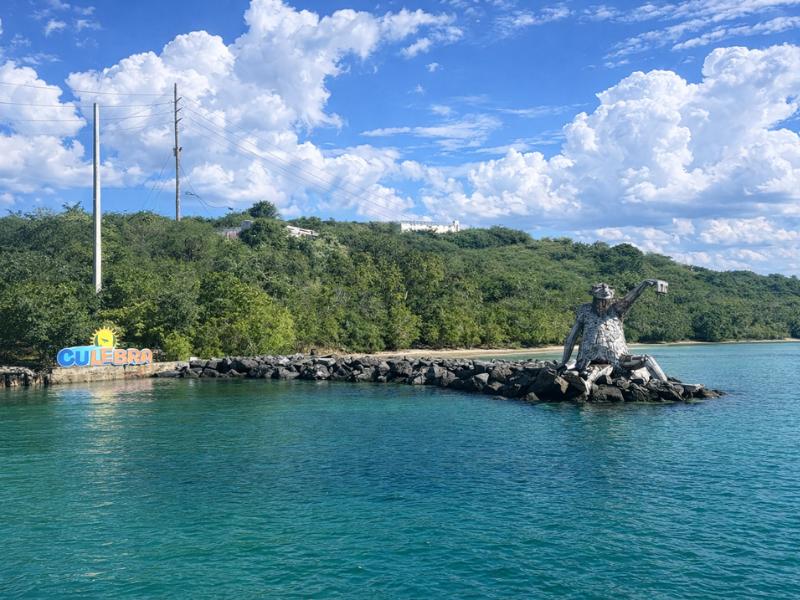
The most common mistake is treating Culebra like a typical beach destination where you book when the weather looks good and figure out the rest on arrival. Culebra is a small island with limited ferry capacity, no large resort infrastructure, and a transportation bottleneck that doesn’t care how good your weather app says the forecast looks. Timing is logistics as much as it is weather.
The second biggest mistake is treating the entire hurricane season as a single risk category. August and September are genuinely elevated risk months. November is barely hurricane season anymore in practical terms. Travelers who write off November because it says “hurricane season” on a chart are leaving behind one of the best low-crowd windows of the year for no good reason.
We have seen the opposite error too. Travelers who book December trips assuming the dry-season reputation means guaranteed sunshine, then get frustrated when a rare December front moves through for three days. Weather forecasting on a small Caribbean island more than a week out is approximate at best. The dry season is more reliable, not infallible.
The specific failure pattern we notice most with first-time visitors: booking ferry tickets for a Sunday return after a weekend trip, not realizing Sunday afternoon ferries are the hardest tickets to get all year. Every day-tripper and weekend visitor from the mainland is trying to leave on Sunday. The same travelers who booked their outbound ticket months in advance often forget the return until it is too late. Buy both legs at the same time.
One more thing worth saying plainly: Culebra does not reward day trippers. The travel time on each end is 1.5 to 2 hours minimum. A day trip leaves you maybe six hours on the island, with two of those likely eaten by ferry delays, Flamenco transportation, and the logistics of finding food and a bathroom. The people who say they were disappointed by Culebra, in our experience, spent less than 24 hours there. Two nights is the minimum to actually feel the island.
The distance is manageable but the planning matters more than most people think. Here’s a guide on Culebra day trips from San Juan so you spend your time on the beach and not figuring out transport.
What Our Travelers Tell Us: Seasonal Satisfaction by Cohort
Based on client feedback across our 15,400+ guided travelers, we track which seasonal windows produce the highest satisfaction scores, the most rebooking requests, and the lowest rate of logistics complaints. The pattern is consistent year over year.
| Jan – Mar (Peak Dry) | 38% | 9.1 | Crowds and ferry stress | Water clarity and weather consistency |
| Late Apr – early Jun (Shoulder) | 24% | 9.4 | Occasional afternoon shower | Beach access, low stress, reef conditions |
| Jul – Aug (Summer) | 21% | 8.6 | Heat and afternoon rain | Local vibe, warm water, lower prices |
| Sep – Oct (Low Season) | 8% | 8.2 | Weather uncertainty, limited services | Solitude, prices, surprise good-weather days |
| Nov – early Dec (Pre-Peak) | 9% | 9.0 | Some services at reduced hours | Empty beaches, easy logistics, improving weather |
What Should You Book First, and How Far in Advance?
 Book your ferry tickets first, before accommodation, before tours, before anything else. This is the one resource with fixed capacity that cannot be expanded. For peak-season weekends and holidays, tickets can sell out within hours of their release window (30 to 90 days before travel). Everything else in Culebra is more flexible, but the ferry is not.
The sequence that works for peak-season trips (December through March): check the Puerto Rico Ferry app or website exactly when your travel dates enter the 30 to 90 day booking window. Set a reminder. Do not assume you will get around to it in a week. On holiday weekends and around Christmas, “in a week” is too late.
For shoulder-season trips (late April through June, and November): a two to three week advance booking window for ferries is usually sufficient. Accommodation in Dewey and the surrounding guesthouses does not need to be booked nearly as far ahead outside peak windows, though the handful of truly well-located villas and the better guesthouses fill up faster than you would expect for an island this size.
If the ferry is sold out when you check, consider flying. Air Flamenco and Vieques Air Link both serve Culebra Airport (CPX). The flights cost more than the ferry, obviously, but they take 20 minutes and the seats are generally available with more flexibility. For a trip you have planned for months, the price difference between a $2.25 ferry ticket and an $89 flight is not worth missing the island over.
Rent your transportation, whether a golf cart for a beach day or a Jeep for a longer stay, in advance during peak season. Dewey’s fleet of rentals is small, and on a packed Saturday in February, you will compete with every other visitor for the same vehicles.
Still in the early stages of planning and not sure what Culebra is really like? This Culebra travel guide gives you an honest picture of the island before you commit to the trip.
Frequently Asked Questions
Is Culebra worth visiting in the off-season?
Yes, especially November and late October. The weather is decent and improving, prices are low, the beaches are nearly empty, and ferry tickets are easy to get. The trade-off is that some restaurants and tour operators reduce hours or close for a week or two. If you do your homework on what is open, off-season Culebra is genuinely excellent.
How far in advance should I book a Culebra ferry ticket?
For peak season weekends and holidays (December through March): book as soon as tickets become available in the 30 to 90 day window, ideally the day they open. For shoulder season (April to June): two to three weeks is usually enough. For low season: one week is typically fine, though midweek slots open up faster than weekend ones regardless of season.
Is sargassum seaweed a problem at Culebra beaches?
It can be, mainly between June and October, and mostly on the east-facing beaches like Zoni. Flamenco Beach, which faces northwest, is more protected and generally sees less accumulation. Check the CARICOOS sargassum tracker before traveling between May and October. Most years it is not a trip-ruining problem, but it is worth knowing before you go.
What is the water temperature in Culebra throughout the year?
Water temperatures around Culebra range from about 77°F in winter to 84°F in summer. The reef snorkeling is comfortable year-round. The warmest snorkeling conditions are July and August, though visibility is typically best in the drier months of February through April.
Is it safe to visit Culebra during hurricane season?
Most of the hurricane season, particularly June through mid-August and most of October and November, passes without direct storm impacts on Culebra. Late August and September carry the highest risk. If you travel during those months, purchase comprehensive travel insurance with trip cancellation and delay coverage and book fully flexible transportation. Do not visit in late August or September without insurance.
What is the difference between visiting Culebra on a weekday vs. a weekend?
Significant, especially in summer and peak season. Puerto Rican families from the mainland make up a large share of summer visitors, and they travel on weekends. A Tuesday in July at Flamenco Beach and a Saturday in July at Flamenco Beach are two completely different experiences. Midweek visits throughout the year tend to mean easier ferry bookings, quieter beaches, and shorter waits at the limited number of restaurants.
Ready to plan your trip?
Written by Camila Elena Ramirez
Puerto Rican tour guide since 2014 · Founder, Culebra Tours
Camila has guided over 15,400 travelers through Culebra and the Spanish Virgin Islands since founding the agency.