Flamenco Beach Guide
Flamenco Beach is Culebra’s crown jewel, famous for its crystal-clear water, white sand, and excellent snorkeling - here’s everything you need to know before you go.
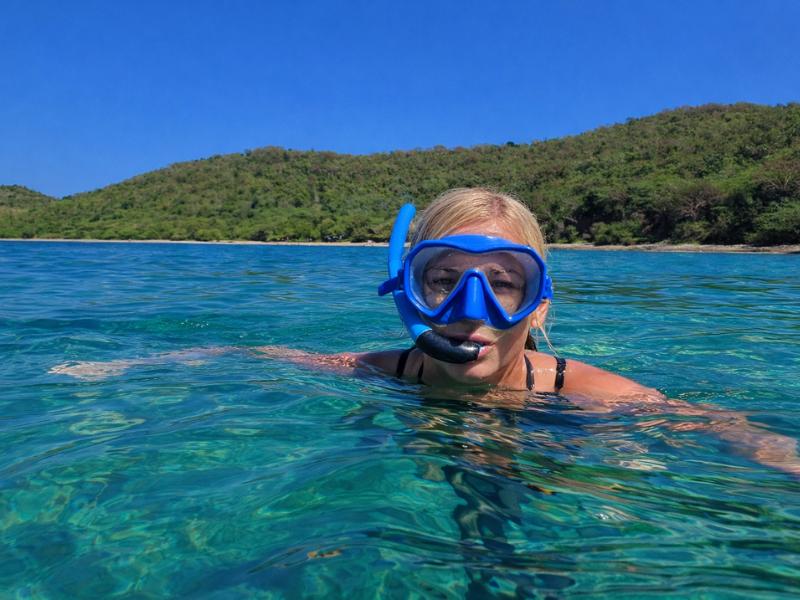
Ferry tickets, island transport, guided Tamarindo shore snorkeling, gear, snacks and Flamenco entry. Lunch extra. Explore Culebra Snorkel with Turtles & Flamenco Beach Adventure by Ferry
Flamenco Beach is a one-mile horseshoe bay on Culebra’s northwest coast with calm, reef-protected water, powdery white sand, and a Blue Flag certification that reflects real standards. Entry is $2 per person. Parking is $5 per vehicle. The gate opens at 7 AM and closes at 5:30 PM. Arrive early for the best light, the least competition for shaded spots, and full kiosk selection. The eastern end near the rocks is the best snorkeling. The far western end past the graffiti-covered tanks is the quietest part of the beach. Reef-safe sunscreen only. No glass.
Booking Choice: Ceiba ferry terminal; return to Ceiba. Check Dates For Tamarindo And Flamenco By Ferry
Flamenco Beach: Fast Facts
| Location | Northwestern shore of Culebra Island, 2.5 miles from Dewey town center |
| Beach length | ~1 mile (horseshoe-shaped bay) |
| Entrance fee | $2 per person (wristband at gate). Cash only. |
| Parking fee | $5 per vehicle (cars and golf carts). E-bikes and bicycles free. |
| Gate hours | 7 AM to 5:30 PM. Gate closes promptly. |
| Lifeguards | Yes, during daytime hours in season |
| Facilities | Bathrooms, outdoor showers, changing rooms, food kiosks, chair and umbrella rentals |
| Camping | Yes, by reservation only. Contact: 787-742-1404 |
| Snorkel gear rental | ~$10-$15/day at kiosks near parking area |
| Chair and umbrella rental | ~$10-$15/day. Arrive early in peak season. |
| Taxi from ferry dock | $5 per person. Taxis wait at the Dewey dock on every ferry arrival. |
| No glass permitted | Coolers are checked at entry. No glass containers. |
Prices verified July 2026.
What Makes Flamenco Beach Worth the Trip?
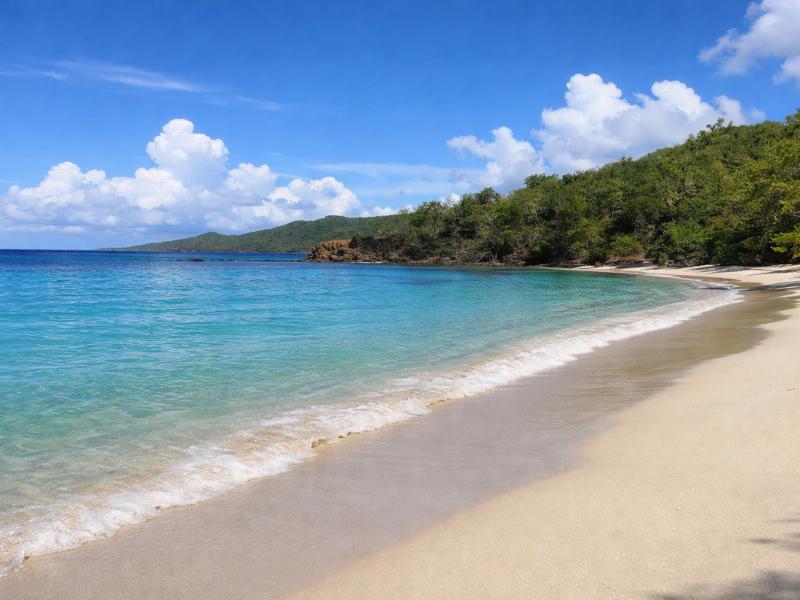
Flamenco Beach is a one-mile horseshoe bay on Culebra’s northwest shore with water that shifts from pale glass in the shallows to deep turquoise at the reef line, sand that is genuinely powdery in a way that most beach descriptions fail to convey accurately, and a protected horseshoe shape that keeps the water calm almost year-round. It earns its spot on global beach rankings not through marketing but through consistent, measurable quality: Blue Flag certification, clear water, and a setting that has no hotels, resorts, or development behind it.
The thing that photographs struggle to prepare you for is the scale. Flamenco is a mile long. On a weekday in February, you can walk for fifteen minutes without passing another person. In the middle of summer on a Saturday, the same beach absorbs a large Puerto Rican crowd without ever feeling chaotic because the horseshoe is simply wide enough. Most beaches that make global top-ten lists feel smaller and busier in person than the photos suggest. Flamenco is the opposite.
The bay’s geography explains much of its character. A reef roughly a quarter-mile offshore absorbs the Atlantic swell before it reaches the sand. What arrives at the beach is warm, flat water almost every day of the year, shallow for a long distance offshore, and clear enough that you can watch your feet walking on the sandy bottom in chest-deep water. The Culebra National Wildlife Refuge, one of the oldest in the United States, protects the land surrounding it. There are no resorts on the hillside. No cruise ship pier. No parasailing vendors in the water.
Two M4 Sherman tanks sit at the western end of the beach, half-buried in sand and covered in fifty years of layered graffiti. They are the most photographed feature of Culebra and they tell the island’s story better than any museum could: the US Navy used this island as a bombing range from the 1940s until 1975, when a sustained local protest movement, with international attention and congressional hearings, finally forced the military out. The tanks stayed. They have been absorbing coats of paint ever since.
Trying to plan a Culebra trip without the usual tourist headaches? Here’s how to visit Culebra tours so you spend your time on the beach and not sorting out logistics on the ground.
How Do You Get to Flamenco Beach?
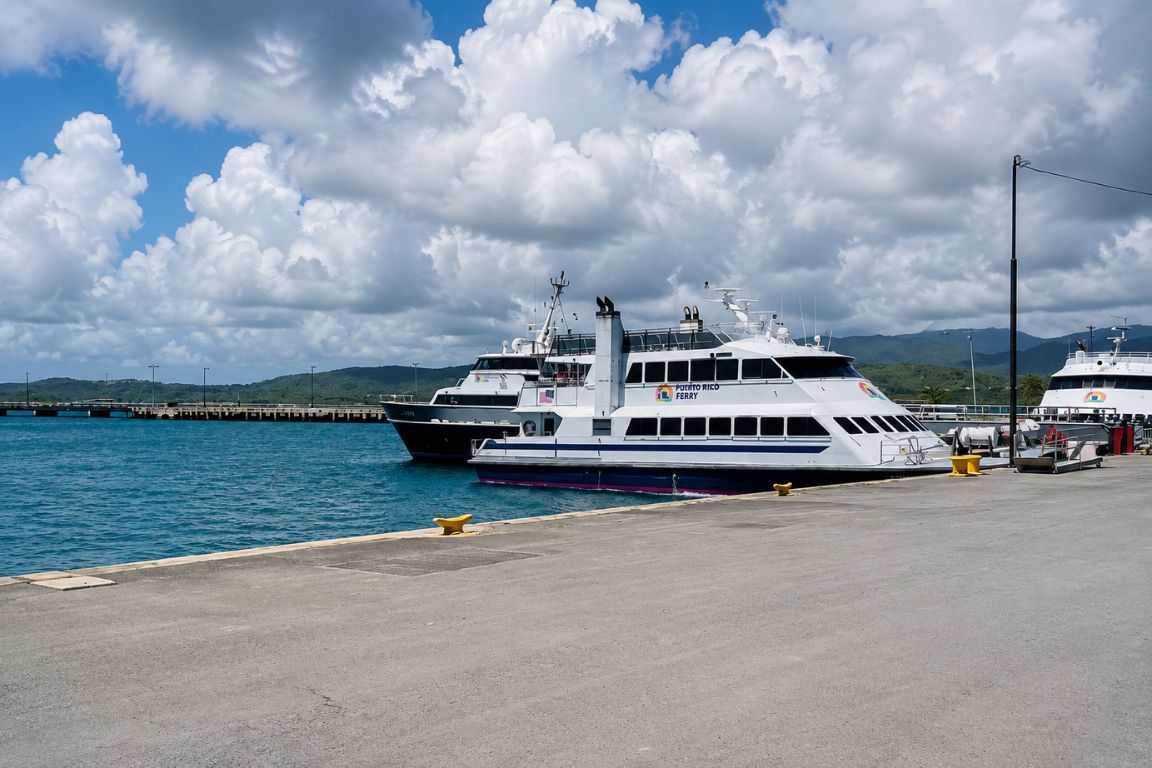 Flamenco Beach is 2.5 miles from Dewey, Culebra’s ferry dock and main town. Taxis meet every ferry arrival and charge $5 per person for the direct ride to Flamenco. Golf carts and Jeeps rented in Dewey get you there in about ten minutes. E-bikes are a newer option: $30 for six hours, the electric assist handles the hills, and they park free at Flamenco. Walking is not practical in the heat with beach gear.
From the mainland, you reach Culebra either by ferry from the Ceiba Ferry Terminal (about one hour, ~$4.25 per adult non-resident including the environmental fee) or by small plane from San Juan’s Isla Grande Airport or Ceiba Airport (25 to 35 minutes, from ~$89 one-way). The ferry arrives in Dewey. The small planes land at Benjamin Rivera Noriega Airport, which is less than a mile from Flamenco Beach, making it genuinely the most efficient transport option for anyone with beach time as the priority.
If you are arriving by ferry and not renting a vehicle, the $5 taxi to Flamenco is the right call. The taxis are shared vans that wait at the dock and fill up quickly after each ferry. Confirm pickup time with the driver before they leave: most taxi drivers offer return service and will come back to collect you at a pre-agreed time for the ride back to the dock. This is the standard day-tripper arrangement and it works smoothly.
For visitors renting a vehicle: the Flamenco parking lot charges $5 per car or golf cart. E-bikes and bicycles park free. Arrive before 10 AM on weekends to secure a spot; on busy days the lot fills and vehicles have to park along the road before the entrance.
“Two very different ways to get to the same island. Here’s an honest comparison of flight vs ferry to Culebra so you pick the option that actually fits your schedule and budget.
What Are the Best Spots on Flamenco Beach?
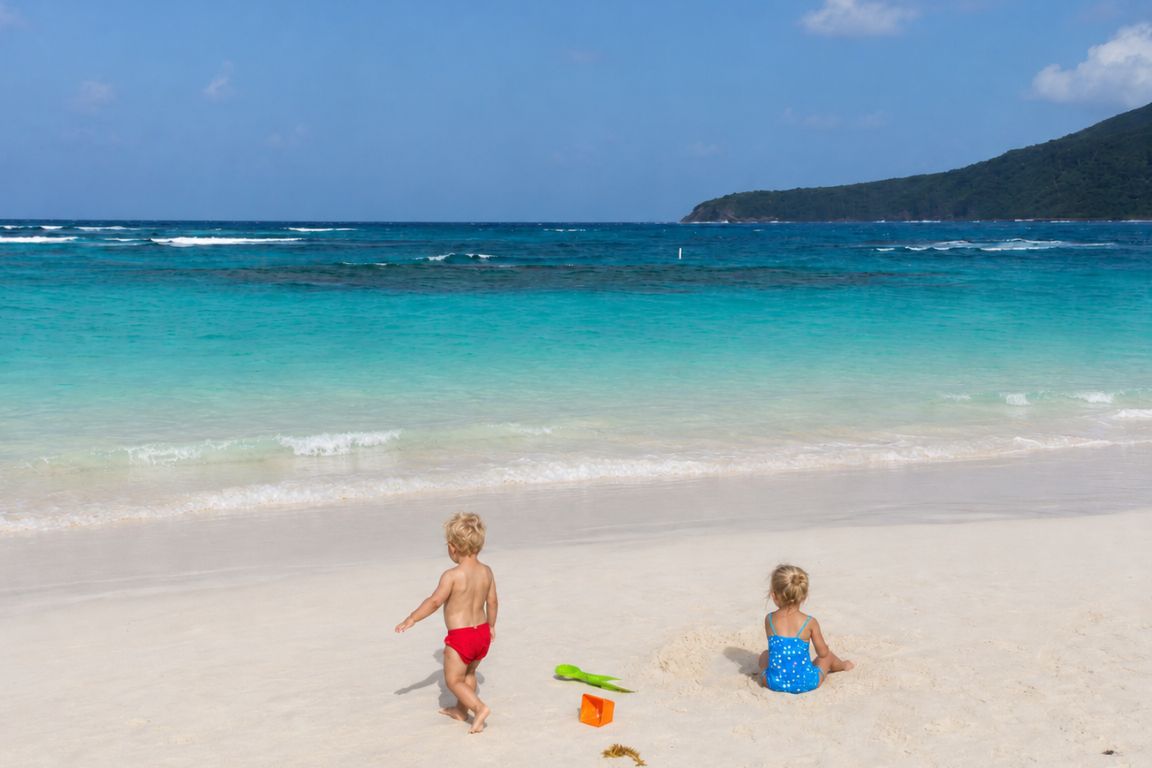
Flamenco Beach has three distinct zones that suit different types of visitors. The center near the entrance has the facilities, the shade trees, and the kiosks. The eastern end near the rocks is the best snorkeling. The western end past the tanks is the quietest stretch, where the crowd thins quickly and the view down the length of the horseshoe bay is the best on the beach.
The center zone. Most visitors set up here by default, close to the bathrooms, showers, chair rentals, and kiosk food. There is shade from the pine and palm trees at the back of the beach. This is the right zone for families with young children, anyone who wants quick bathroom access, and day trippers who want to stay close to where the taxi will collect them. The shallow water at the far right end of this section, what locals call El Muellecito, is particularly calm and ideal for toddlers.
The eastern end near the rocks. Walk right from the main entrance toward the rocky outcrop at the eastern tip of the horseshoe. The snorkeling here is the best directly accessible from Flamenco’s shore. Locals call the passage between the two rows of submerged rocks the “Shark Cages,” not because of sharks but because of the way the rock formations frame the reef channel. Schools of tangs, parrotfish, wrasse, and the occasional ray move through here regularly. Visibility on a calm day is excellent. Bring water shoes for the rocky entry or swim out from the sandy pocket just before the rocks begin.
The western end and the tanks. Walk left from the entrance toward the graffiti-covered tanks. This section of beach is consistently less crowded than the center, in part because it is furthest from the kiosks and facilities. Past the tanks, the beach curves into the natural rock formation at the western tip, and the view back along the whole mile of white sand with the green hills framing it is the photograph that does not appear in travel brochures. The snorkeling here is decent, with darker reef patches visible just offshore at the point where the sand ends and the rocky bottom begins.
The calm water and shallow beaches make Culebra genuinely great for families but the getting there part needs a plan. Here’s Culebra tours with kids so you handle the logistics before you go.
| Center (main entrance area) | Families, day trippers, shade seekers | Facilities, kiosks, shade trees, calm shallow water |
| Eastern end (near rocks) | Snorkelers, reef-watchers | “Shark Cages” reef channel. Best fish diversity at Flamenco. |
| Western end (tanks area) | Photography, quiet beach time, couples | The graffiti tanks. Least crowded section. Best full-beach view. |
What Can You Do at Flamenco Beach?
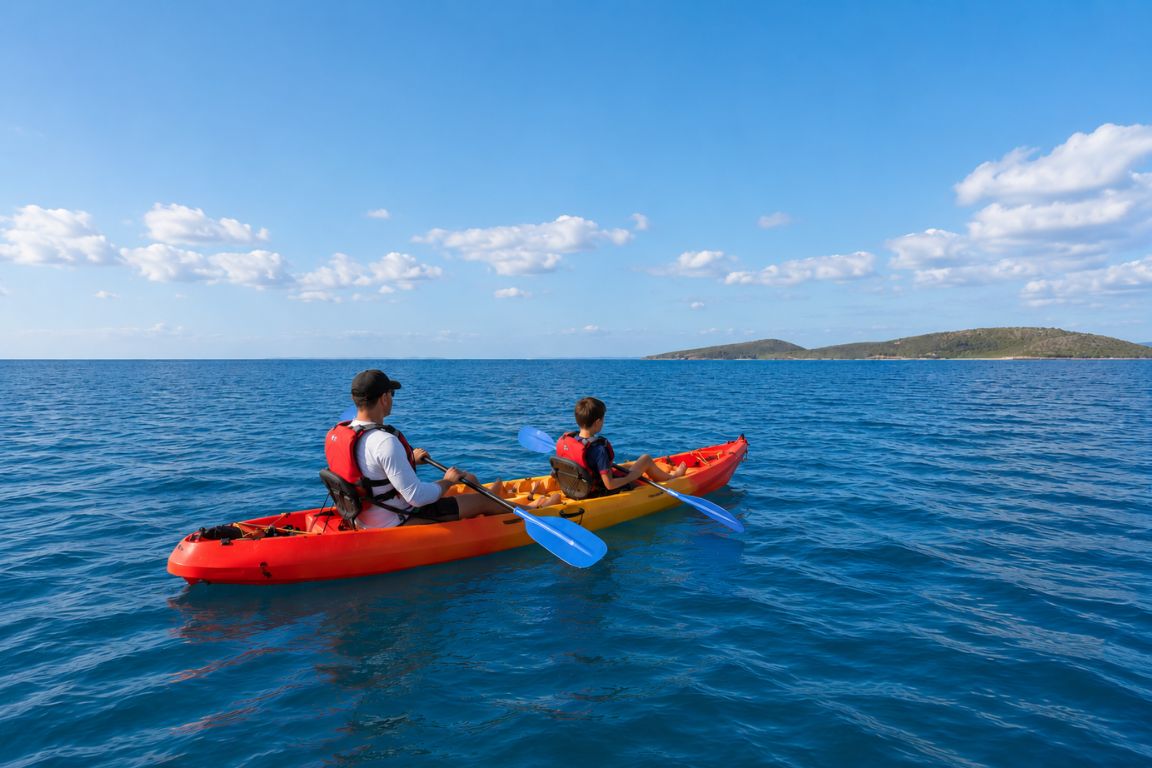 Flamenco Beach’s primary activities are swimming, snorkeling, and lying on one of the world’s best beaches doing nothing in particular. Beyond that: shore snorkeling at the eastern reef, beach camping overnight by reservation, hiking to Carlos Rosario Beach from the parking lot trailhead, and photography of the military tanks. For most visitors, the beach itself is the activity. The water and the sand are the whole point.
Swimming is straightforward and excellent. The reef-protected bay keeps the water nearly flat most of the year, the bottom is sandy and gradual, and the warmth of the Caribbean makes it comfortable to stay in for hours. Watch for the colored flag system: green means safe conditions, yellow means proceed with caution, red means conditions are dangerous and swimming is not recommended. In winter, the Atlantic swell can occasionally push through and conditions can deteriorate quickly. The lifeguards are on duty during daytime hours in season and their judgment supersedes your enthusiasm.
Shore snorkeling at the eastern reef is the best available without a boat or a hike. Rent gear at the kiosks ($10 to $15 per day) or bring your own, which always fits better. The reef starts in shallow water and deepens gradually as you swim toward the reef line. At 10 to 15 feet you encounter the better coral structure and the highest fish density. Parrotfish, blue tangs, sergeant majors, and wrasse are consistent. The occasional hawksbill turtle passes through, though Tamarindo Beach is the better turtle destination by far.
The Carlos Rosario trail begins at a gate in the back of the Flamenco parking lot. A roughly 20-minute hike on a coastal trail leads to Carlos Rosario Beach, considered by most experienced snorkelers to be the best reef site on the island. No facilities at Carlos Rosario. Bring water, food, and all snorkel gear with you. The hike is straightforward but exposed to sun; go in the morning before the heat peaks.
Beach camping at Flamenco is one of those rare options where you can wake up on a world-class beach to the sound of the Caribbean without a resort price tag. Reservations are required and spaces fill up during peak season. Contact the campground at 787-742-1404 or email campingflamenco.acdec@gmail.com. Bring your own tent or ask about on-site rentals. No glass bottles at the campsite. Pack everything out.
Trying to find a snorkel experience that goes beyond the obvious beach spots? Here’s the best snorkeling tours in Culebra so you get to the reefs most visitors never find on their own
What Facilities Are Available at Flamenco Beach?
Flamenco Beach has more functional infrastructure than most beaches of this quality anywhere in the Caribbean: lifeguards, bathrooms, outdoor showers, changing rooms, food kiosks, chair and umbrella rentals, and snorkel gear rentals. Everything is close to the main entrance near the parking lot. The further you walk down the beach, the fewer facilities you will find.
The bathrooms and showers are located near the entrance and are functional if basic. Cleanliness is inconsistent depending on the day and season; bring your own small pack of tissues. The showers are cold saltwater outdoor rinses rather than proper facilities, which is the standard for Caribbean beach setups. They do the job after a full day in the ocean.
The food kiosks are one of the better arguments for arriving early. They open late morning most days, serve fresh Puerto Rican food, empanadillas, pinchos (skewers), fried fish, mofongo, cold Medalla beer, piña coladas, and they run out of popular items by mid-afternoon on busy days. The best kiosk review that circulates among regulars: the burger. It sounds wrong and it is right. Bring cash; cards are not reliably accepted.
Chair and umbrella rentals run about $10 to $15 per day. In peak season on busy weekends, they go fast. Arriving before 10 AM on a Saturday in January means you will have options. Arriving at noon means you may not. Bringing your own beach umbrella is the alternative if availability matters to your comfort level.
What Our Guided Groups Experience at Flamenco Beach
From our 15,400+ guided travelers, Flamenco Beach is the most consistent source of trip highlights across every season and every type of visitor group. A few patterns stand out clearly.
| “The water looked better than any photo I’d seen” | 78% | Flamenco earns its reputation in person. Expectations are routinely exceeded. |
| “I didn’t know about the eastern snorkeling reef” | 52% | Most first-timers swim in the center and miss the best underwater section. |
| “I wish I’d arrived earlier” | 41% | Morning Flamenco and afternoon Flamenco are two different experiences. |
| “I didn’t explore the western end past the tanks” | 38% | The quietest and most scenic part of the beach is also the least visited. |
| “I forgot cash for the kiosks” | 24% | One ATM on the island. Bring small bills from the mainland. |
What Should You Know Before You Go?
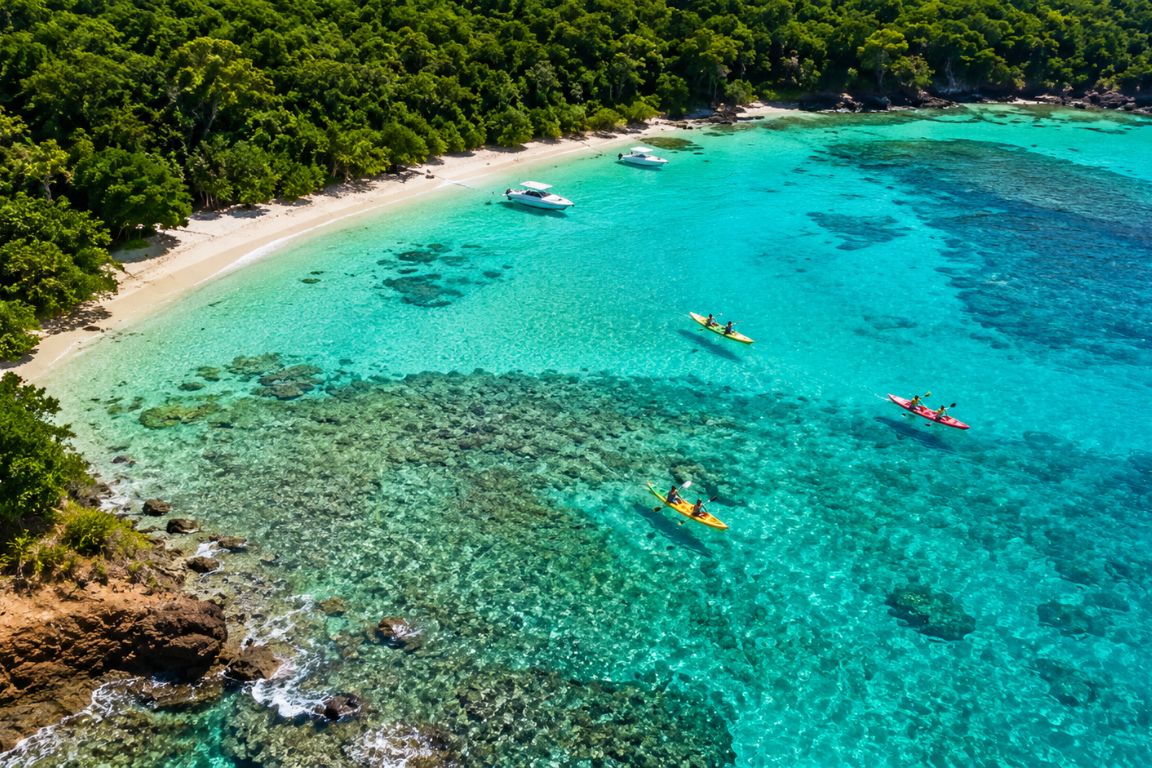 Six things matter most before visiting Flamenco Beach: bring reef-safe mineral sunscreen, bring cash in small bills, know the gate closes at 5:30 PM, do not bring glass containers (coolers are checked at entry), plan to arrive before 10 AM on weekends for the best experience, and understand that the eastern reef is where the best snorkeling is, not the center of the beach where most visitors set up.
The reef-safe sunscreen rule is non-negotiable at Flamenco. The Luis Peña Channel Natural Reserve, which includes the marine habitat around Culebra’s protected western beaches, is among the healthiest coral reef systems in the Caribbean. Chemical sunscreens containing oxybenzone or octinoxate damage coral. Bring mineral sunscreen with zinc oxide or titanium dioxide as active ingredients. Do not plan to buy it on the island; the small Dewey grocery store runs out quickly.
The gate hours are strict. 5:30 PM means the gate closes. This is not a suggestion. Visitors who are still on the beach at 5:30 PM are not locked in, but they lose vehicle access. If you are on a day trip with the 5:30 PM return ferry, plan to leave the beach by 4:45 PM to get your taxi back to the dock with time to spare. The ferry terminal check-in closes 10 minutes before departure.
Coolers are checked at the entrance gate. No glass containers are permitted. This is enforced. It keeps the sand safe for everyone’s bare feet and protects wildlife from broken glass. Pack drinks in cans or plastic.
The water at Flamenco can be rougher in winter when Atlantic swell builds. Watch the flag system. Green is clear, yellow is proceed with care, red means stay out. Do not second-guess the lifeguards’ judgment on red flag days.
Not sure what Culebra actually offers beyond Flamenco Beach? This Culebra travel guide covers the beaches, the wildlife, and the parts of the island most visitors never find.
When Is the Best Time to Visit Flamenco Beach?
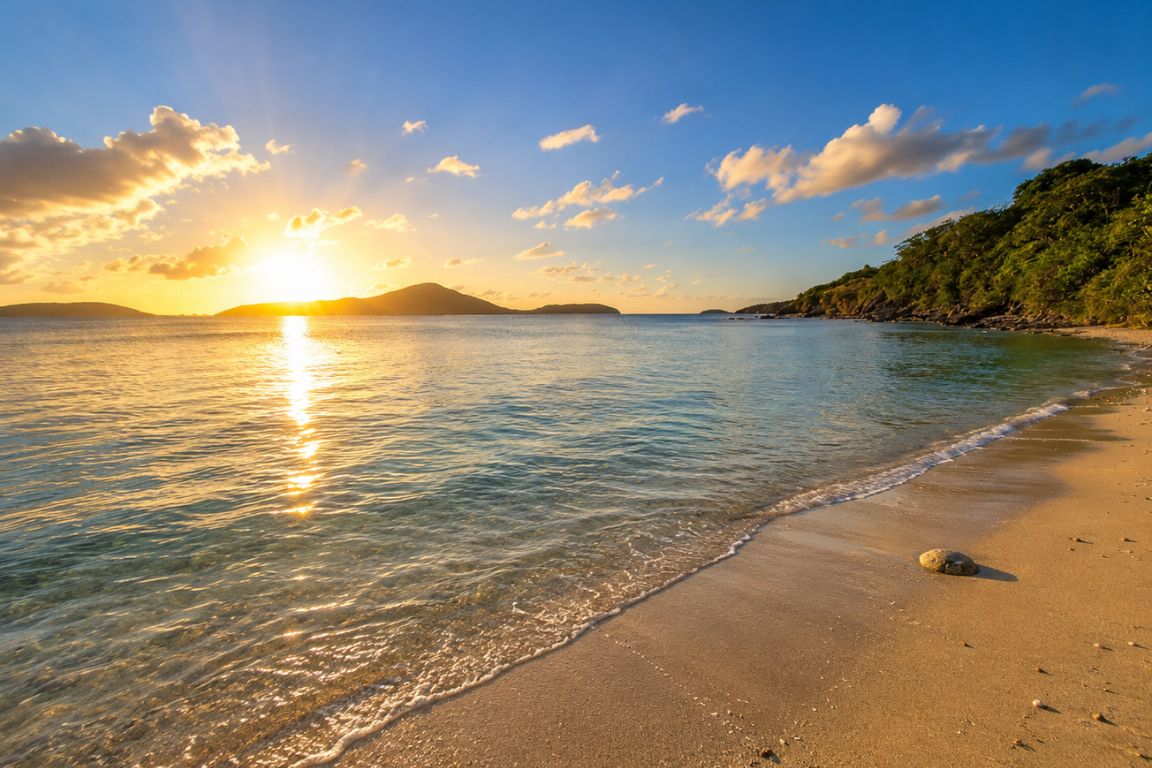 The best time to visit Flamenco Beach is April through early June: dry-season weather, warm water at its clearest, and a fraction of the crowd level that December through March brings. The best time of day is before 11 AM, when the morning light hits the water at an angle that produces the turquoise color that every photo of Flamenco tries to capture, and before the second wave of ferry day-trippers arrives.
December through March is peak season. The weather is the most reliable of the year, the water is at its clearest, and Flamenco receives the most visitors. Midweek visits in this window are significantly more relaxed than weekends. Holy Week (Semana Santa) and the Christmas to New Year’s window are the two periods when the beach is at maximum capacity.
April through June is the best overall window. Peak-season weather holds through May, the ferry lines ease, accommodation prices drop, and the beach returns to the quieter rhythm that makes Culebra what it is. May and early June in particular offer conditions that equal February at half the competition for space and services.
Summer (July and August) brings a shift. The beach fills with Puerto Rican families during school vacation, which creates a festive local energy that is genuinely different from the winter tourist crowd. Afternoon showers are common but usually brief. The water is warmer than at any other time of year. Midweek summer visits, particularly Tuesday through Thursday, deliver a version of Flamenco that feels almost empty.
September and October carry hurricane risk and are not recommended without flexible travel insurance and fully refundable bookings. November is underrated: hurricane season is winding down, the beach is nearly empty, and the weather is good and improving.
Trying to avoid the crowds at Flamenco Beach without sacrificing good weather? Here’s the best time to visit Culebra tours for travelers who want the island mostly to themselves.
What Is Near Flamenco Beach Worth Combining?
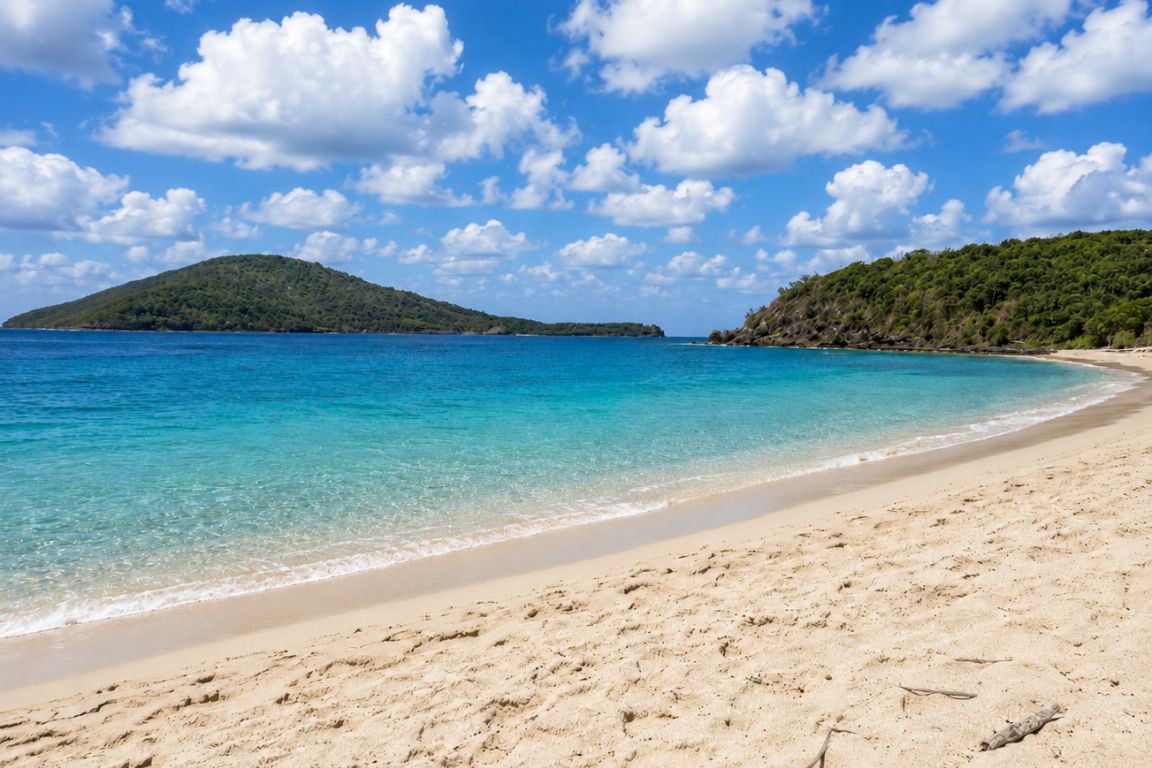 The two best extensions of a Flamenco Beach day are the Carlos Rosario trail from the parking lot (the best reef snorkeling on the island, 20 minutes on foot) and Tamarindo Beach by golf cart (the sea turtle snorkeling beach, 10 minutes from Dewey). Both are close enough to combine with a Flamenco morning on a two-night stay. For day trippers on a five-hour window, choose one extension, not both.
Carlos Rosario Beach is accessed by a trail that starts at a gate in the back of the Flamenco parking lot. The hike is about 20 minutes through coastal scrub and arrives at a small, facility-free beach within the Luis Peña Channel Natural Reserve. The snorkeling at 15 to 25 feet is the best accessible reef site on the island without a boat. Dense coral structure, high fish diversity, and very few other visitors because most people do not know the trailhead exists. Bring everything: no kiosks, no shade, no bathrooms. Do this in the morning before Flamenco’s sun gets high.
Tamarindo Beach is 10 minutes from Dewey by golf cart. It is the sea turtle beach: wild green and leatherback turtles graze the sea grass beds in calm, shallow water directly accessible from shore. The beach itself is rocky rather than sandy, so the draw is entirely underwater. A 45-minute snorkel session at Tamarindo will, on most visits, put you within a few feet of a wild turtle going about its day. This experience alone justifies the extra trip on any overnight visit to Culebra.
Melones Beach, five minutes from Dewey in the direction toward Flamenco, is the easiest shore-snorkeling spot close to town. Not as impressive as Carlos Rosario or Tamarindo, but accessible with minimal transit and a good reef channel within a short swim. Worth knowing as a backup if time does not allow either of the two main options.
We’ve got a full breakdown on Flamenco Beach vs Tamarindo Beach if you want to know which one is better for snorkeling, which one gets more crowded, and which one is worth the extra effort to reach.
Frequently Asked Questions
Is Flamenco Beach free?
No. Entry costs $2 per person (cash only at the gate). Parking is $5 per vehicle for cars and golf carts. E-bikes and bicycles park free. Chair and umbrella rentals are approximately $10 to $15 per day extra.
What time does Flamenco Beach close?
The gate closes at 5:30 PM, promptly. Lifeguards and services operate during daytime hours. The beach itself is not fenced off after hours, but vehicle access ends at gate close. Day trippers with a 5:30 PM return ferry should leave the beach by 4:45 PM.
Can you bring a cooler to Flamenco Beach?
Yes, but coolers are inspected at the gate for glass containers. No glass is permitted on the beach. Cans and plastic bottles are fine. Bring your own food and non-alcoholic drinks if you prefer not to rely on the kiosks.
Where is the best snorkeling at Flamenco Beach?
The eastern end near the rocks, sometimes called the “Shark Cages” by locals. Walk right from the main entrance toward the rocky outcrop at the tip of the horseshoe. The reef channel there has the best fish diversity accessible directly from Flamenco’s shore. The western end near the tanks also has decent reef patches but less fish activity than the eastern side.
Can you camp at Flamenco Beach?
Yes. Flamenco has a designated campground directly on the beach, available by reservation only. Contact 787-742-1404 or email campingflamenco.acdec@gmail.com. No glass on the campsite. Pack out all trash. Spaces fill quickly during peak season.
Planning your Flamenco Beach visit?
Written by Camila Elena Ramirez
Puerto Rican tour guide since 2014 · Founder, Culebra Tours
Camila has guided over 15,400 travelers through Culebra and the Spanish Virgin Islands since founding the agency.