Culebra with Kids
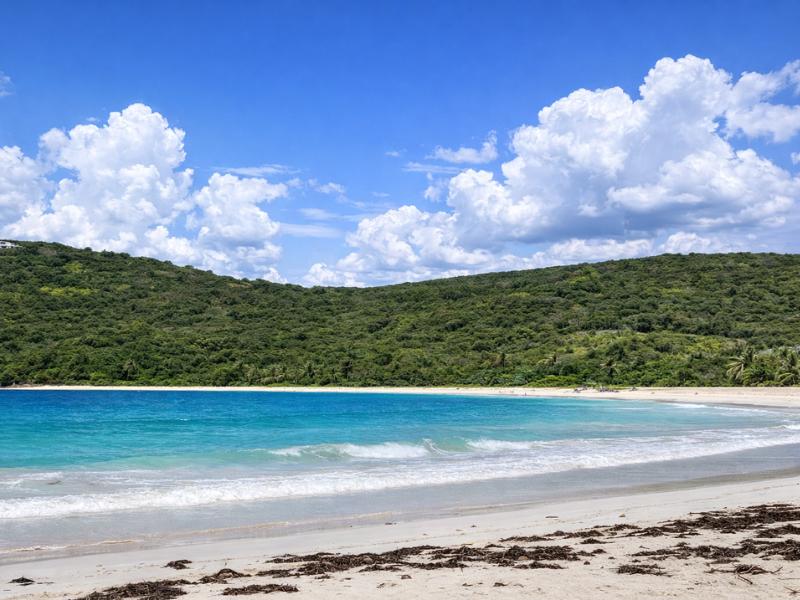
Culebra is one of Puerto Rico’s best family destinations, with calm beaches, sea turtle snorkeling, and a relaxed island atmosphere that’s perfect for traveling with kids.
A ferry-and-shuttle package can simplify the mainland journey while you set the family’s island pace. On-island rides and activities cost extra. Explore Culebra Ferry Tickets & Round-Trip Transport from San Juan
Culebra is outstanding for families with children. Flamenco Beach is the best family beach in Puerto Rico: calm, shallow water, lifeguard, bathrooms, food kiosks, and shade trees. Tamarindo Beach delivers wild sea turtle encounters for kids aged 8 and up who can snorkel. The island has no traffic, no chain hotels, no crowds at most beaches, and a pace that works for families who want genuine Caribbean experience without resort-bubble logistics. Fly rather than ferry with young children when possible. Stay two nights minimum. Rent a Jeep if kids are old enough to explore beyond Flamenco.
Booking Choice: Designated San Juan pickup; return to San Juan. Check Dates For The San Juan Ferry Package
Culebra with Kids: Age-by-Age Quick Reference
| Toddlers (0-3) | Flamenco Beach (far right, El Muellecito) | Shallow water play, sand exploration | Lifeguard, facilities, shallowest water on island. Reef-safe sunscreen. Shade trees. |
| Young kids (4-7) | Flamenco Beach | Snorkeling lessons at Flamenco eastern reef, tank exploration, boogie boards | First snorkel works well here. Float toys help. Kiosks for food. |
| Older kids (8-12) | Tamarindo Beach + Flamenco | Sea turtle snorkeling at Tamarindo, Flamenco swimming | Minimum age 6 for guided tours. Water shoes required at Tamarindo. |
| Teenagers | Tamarindo, Carlos Rosario, Zoni, Culebrita | Snorkeling, kayaking to Cayo Luis Peña, Culebrita day trip | Full beach circuit possible. Jeep rental unlocks Zoni and eastern coast. |
Data verified July 2026.
Is Culebra Good for Families with Kids?
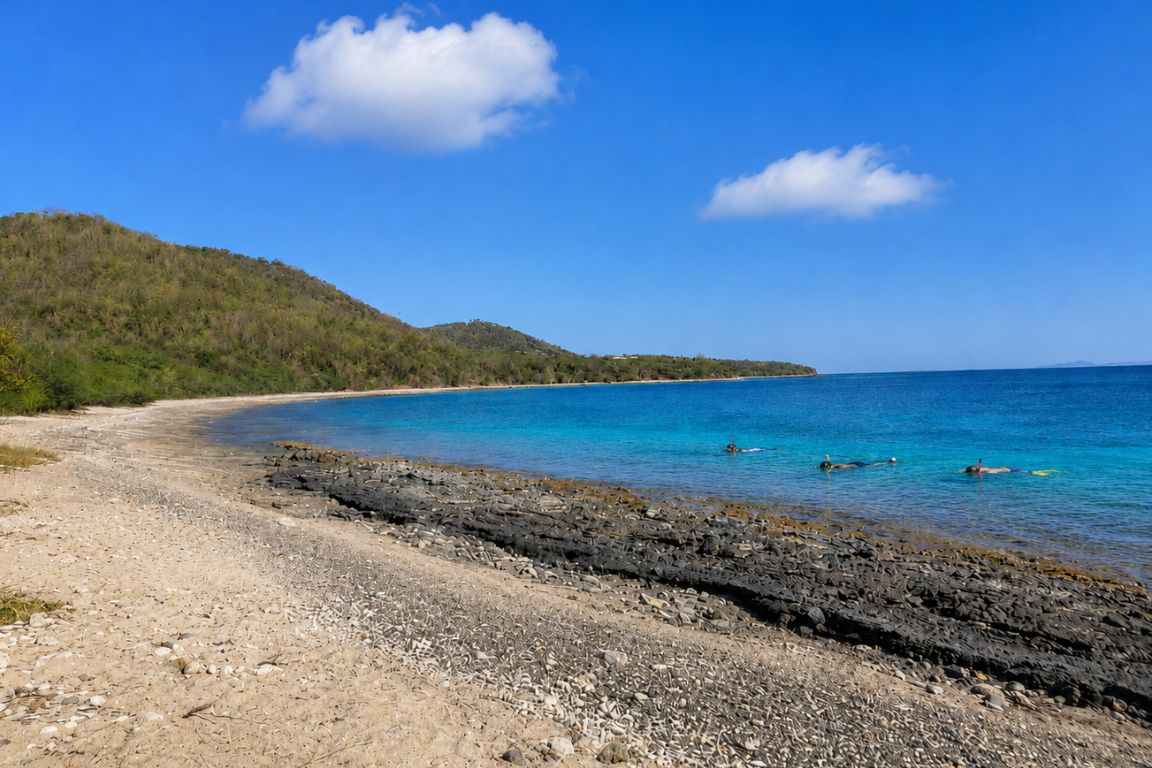 Culebra is genuinely excellent for families with children, for reasons that are specific to what the island is rather than what it tries to market itself as. The water at Flamenco Beach is among the calmest and clearest in the Caribbean for children to swim in. The island has no significant traffic, no chain hotel crowds, no organized resort activity pressure. Sea turtle encounters at Tamarindo are the kind of wildlife moment that children describe for years. The lack of development that makes some adult travelers nervous about logistics is the same quality that makes it peaceful for a family.
What Culebra does not have is also worth naming clearly. There is no children’s water park. No kids’ club at a resort. No organized beach entertainment beyond what nature provides. The one ATM is in Dewey and it runs empty on busy weekends. Some restaurants close by 8 PM and the food options, while good, are limited to local Puerto Rican cooking and casual spots near the water. Families who need a fully serviced resort infrastructure will find Culebra’s simplicity frustrating. Families who specifically want their children to experience a real Caribbean island with wild turtles, world-class sand, and quiet evenings watching coquí frogs emerge after dark will find it exceptional.
The practical bar for bringing children to Culebra is modest: they need to be comfortable with ferry travel or a small plane, they need to be able to handle a day at the beach without resort distractions, and they need to be wearing reef-safe sunscreen. Beyond that, the island accommodates children of every age remarkably well.
The island is small but there’s more to plan than most people expect. Here’s a Culebra travel guide so you show up with a solid plan and zero wasted days.
What Is the Best Beach in Culebra for Young Children?
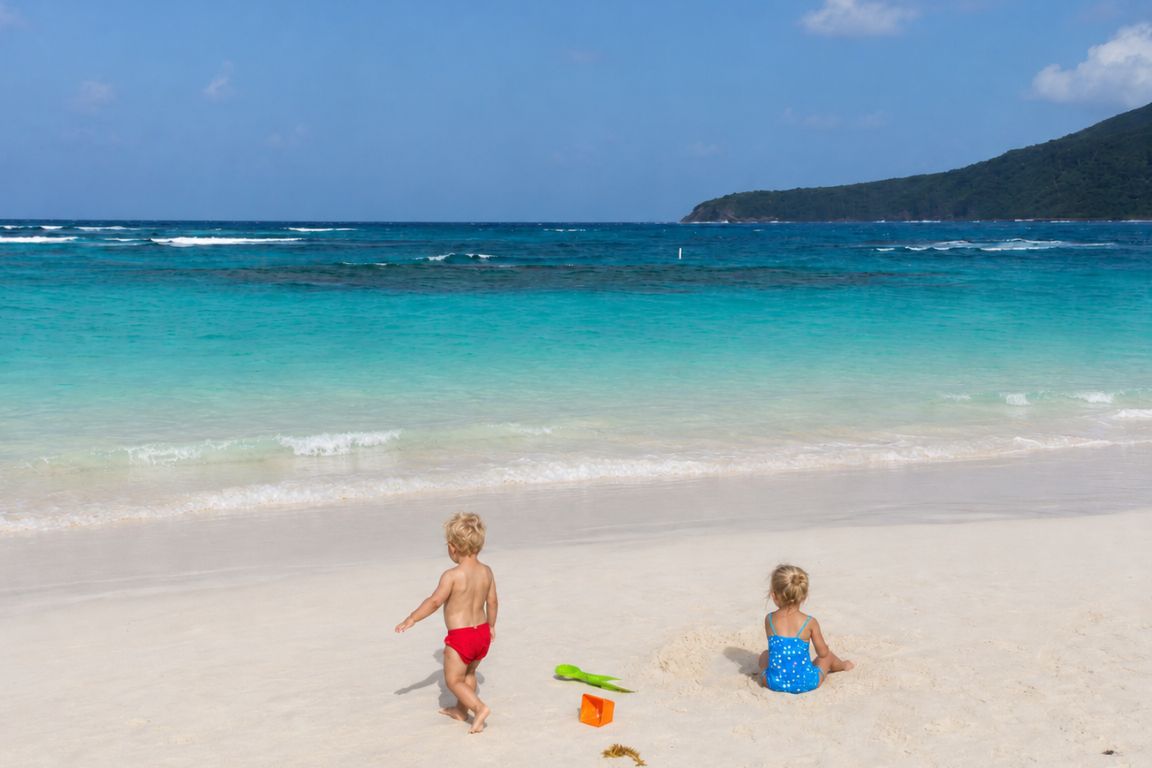
Flamenco Beach is the best beach in Culebra for young children and arguably the best family beach in all of Puerto Rico. The reef-protected horseshoe bay keeps the water almost completely flat year-round. The sandy, gradual entry has no rocks or drop-offs in the shallow zone. The far right end of the beach, the section locals call El Muellecito, is the shallowest part of the whole bay and is ideal for toddlers who want to stand in clear water and watch their feet on the sandy bottom. There is a lifeguard, bathrooms, shade trees, and food kiosks steps from the water.
The combination of safe water and full facilities is what makes Flamenco work for the whole family at the same time. A toddler can stand in knee-deep water for an hour while an older child snorkels the eastern reef and parents alternate between watching and swimming. The lifeguard provides a safety layer that none of the island’s other beaches offer. The kiosks mean you do not need to pack a full day’s food. The shade trees at the back of the beach give you a retreat when the midday sun gets serious for anyone with sensitive skin.
A note on Flamenco’s snorkeling for young children: the eastern end near the rocks, the section called the Shark Cages, is the right introduction to reef snorkeling for children aged 7 and up who are comfortable swimming. The entry from the sandy pocket before the rocks is gradual, the water is clear, and the fish diversity is immediately rewarding. Bring a boogie board for children who want to rest and watch underwater without full swimming effort; a child lying flat on a boogie board can observe the reef below with minimal exertion.
Entry costs $2 per person at the gate. Parking is $5 per vehicle. The gate opens at 7 AM and closes at 5:30 PM. Arrive before 10 AM on weekends for the best shade positions and chair rental availability. Snorkel gear is available for rent at the kiosks near the parking area.
Culebra punches way above its size when it comes to beaches. Here’s a guide to the best beaches in Culebra tours so you know which ones are worth seeking out beyond Flamenco.
What Water Activities Are Kid-Friendly in Culebra?
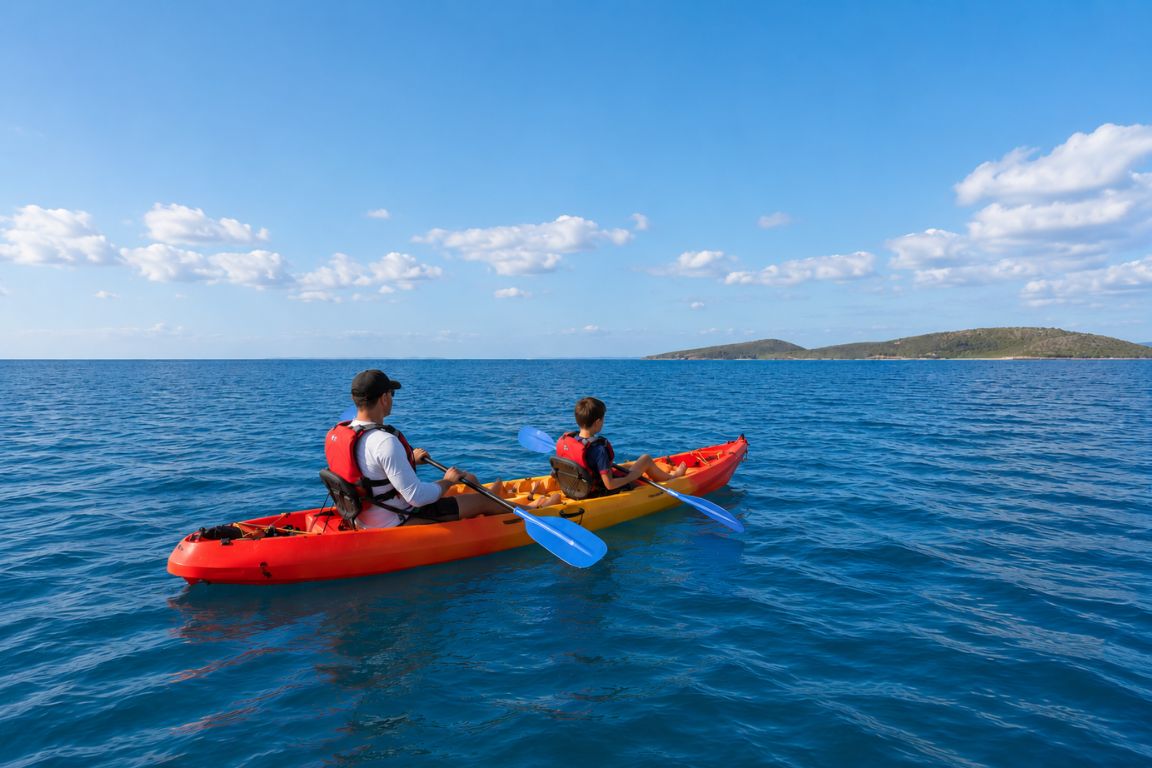 The most kid-friendly water activities in Culebra are swimming at Flamenco, sea turtle snorkeling at Tamarindo (for children aged 8 and up who can swim comfortably), the Flamenco Lagoon kayak loop (flat water, no crossing, appropriate for younger children in a tandem kayak with a parent), and the Culebrita day trip by water taxi (tidal pools and calm beaches accessible to all ages). Activities not recommended for young children include the Carlos Rosario trail hike, any open-water kayak channel crossing, and the Resaca or Brava hikes.
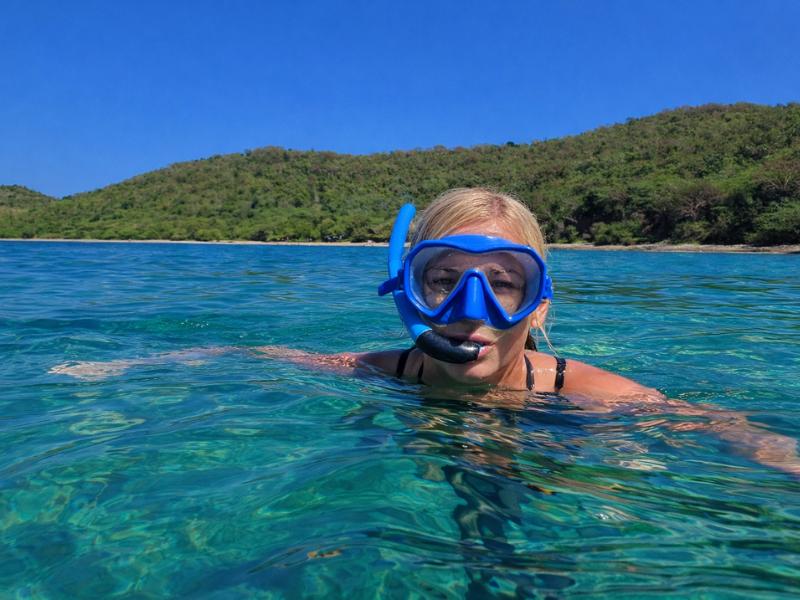
Sea turtle snorkeling at Tamarindo is the activity that children remember most from a Culebra trip. Floating in shallow, protected water above a wild sea turtle grazing unconcerned sea grass is the kind of encounter that does not require any words for a child to absorb. The sea grass beds at Tamarindo are in 3 to 10 feet of water, shallow enough that most children who can swim can participate with a flotation vest. Guided tours through Kayaking Puerto Rico accept children aged 6 and up who can swim. The minimum age recommendation for unguided Tamarindo snorkeling is approximately 8 to 10, depending on swimming ability. Water shoes are required for the rocky shore entry.
The Flamenco Lagoon kayak loop is the right family kayaking option for children too young for channel crossings. The lagoon behind Flamenco Beach is flat, protected, and surrounded by mangrove that hosts nesting birds and juvenile fish. A parent and a child in a tandem kayak can do the full loop in about 90 minutes without any open-water exposure. The lagoon ecosystem itself is genuinely interesting for curious children: the mangrove roots shelter small fish, herons hunt along the edges, and the passage from open beach to enclosed green canopy happens quickly.
The Culebrita day trip by water taxi is appropriate for all ages that can manage a boat ride and a walk. The 15-minute water taxi from Dewey is calm and fast. Las Jacuzzis tidal pools at Culebrita’s northern tip are one of the most delightful family experiences on the island: natural rock formations that fill with warm, swirling Caribbean water at mid-tide. Children can play in these pools safely with parent supervision. The pools are a 15-minute walk from Playa Tortuga on a marked coastal trail.
We’ve got a full Culebra day trip guide if you want to know exactly how to structure your hours, which beaches to hit first, and what to skip when time is tight.
What Age Is Right for Snorkeling in Culebra?
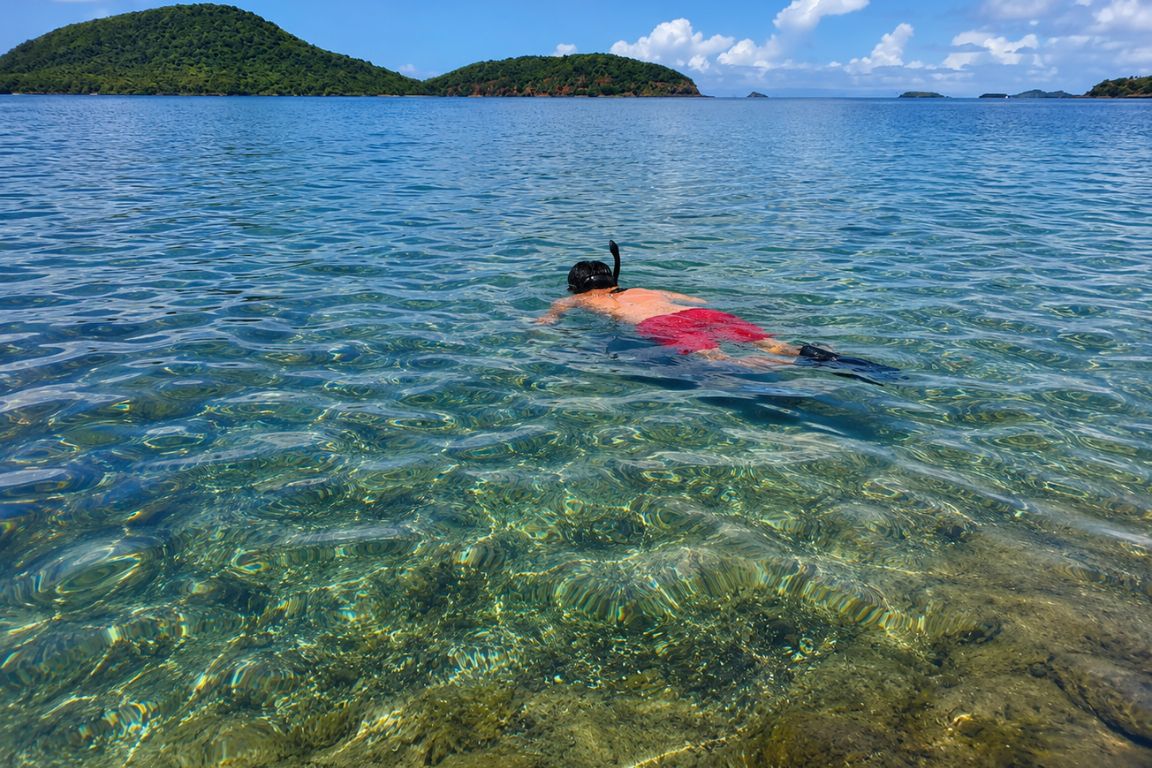 Children can begin snorkeling at Culebra as young as 5 or 6 if they are comfortable in water, but the experience quality and safety differ significantly by age and location. At Flamenco Beach’s eastern reef, a 6 or 7-year-old comfortable in the water will have a rewarding first snorkel session with parent supervision. For Tamarindo’s sea turtle snorkeling, 8 to 10 is the more realistic minimum for an independent, genuinely enjoyable session. Guided tours that include Tamarindo typically require a minimum age of 6 with an adult partner in the water at all times.
The key variable is not age but swimming comfort and mask tolerance. A nervous 10-year-old who panics when water enters the mask will have a poor experience anywhere. A confident 7-year-old who loves the water and has snorkeled in a pool will have a great experience at Flamenco’s eastern reef. Before bringing children to Culebra specifically for the snorkeling, test mask and snorkel comfort in a pool or bathtub at home. A child who has never worn a snorkel mask and who is first trying it in the ocean with chop running and parents anxious about the ferry schedule is set up for frustration.
A flotation vest transforms the snorkeling experience for children who tire easily or feel anxious in deep water. Every guided tour operator on Culebra provides and requires flotation devices. For independent snorkeling at Flamenco or Tamarindo, renting or bringing a child-sized snorkel vest is one of the most useful investments for a family trip. The vest keeps the child at the surface, reduces fatigue, and allows them to lift their head and rest without having to swim to shallower water.
The marine life here is worth getting a guide for. Here’s the best snorkeling tours in Culebra so you spend your time above the right reef with someone who knows where to look.
Kid-Friendly Activities in Culebra: Side-by-Side
| Flamenco Beach swimming | Any | Easy | Year-round | Lifeguard, facilities, safest water on island |
| Flamenco eastern reef snorkeling | 6-7 (with parent) | Easy | Year-round (calmer in summer) | Sandy entry, shallow start, gear rental on-site |
| Tamarindo sea turtle snorkeling | 6 (guided) / 8-10 (independent) | Easy-Moderate | Year-round | Water shoes required. No facilities. Flotation vest strongly recommended. |
| Flamenco Lagoon kayak | 4+ (in tandem with adult) | Easy | Year-round | Flat protected water. No crossing. Birds and mangrove. |
| Culebrita water taxi day trip | 4+ | Easy walk | Year-round (summer calmer) | 15-min boat ride. Las Jacuzzis tidal pools a family highlight. Bring everything. |
| Cayo Luis Peña kayak crossing | 10+ (fit, experienced) | Moderate | Summer (calmer) | ~1 mile open water. Morning only. PFD required. |
| Zoni Beach / Jeep exploration | Any (in vehicle) | Easy drive | Year-round | No swimming in winter. Turtle nesting April-June. Views of St. Thomas. |
Ages are guidelines. Parental judgment governs. Data verified July 2026.
How Do You Get to Culebra with Kids?

Flying is the better option for families with young children. The 25 to 30-minute flight from San Juan Isla Grande Airport to Culebra’s CPX eliminates the hour-long ferry crossing that can produce significant seasickness in children, removes the 75 to 90-minute drive to the Ceiba terminal, and lands you a short taxi ride from Flamenco Beach. The baggage weight limit of approximately 30 lbs per person is the main practical constraint; pack light and use soft bags. The ferry is appropriate for older children and families who have flexible timing and do not need to minimize transit time.
For families considering the ferry: plan the crossing for a summer morning when the Atlantic is calmest. The eastbound Ceiba-to-Culebra crossing runs against the prevailing swell and is notably rougher than the return trip, particularly in winter. A child who gets carsick in the back seat will almost certainly get seasick on the ferry in any kind of swell. Give Dramamine, Bonine, or age-appropriate equivalent at least one hour before boarding, not while already on the water. Sit on the upper deck facing forward, not in the cold lower cabin where the motion is more pronounced and the visual reference of the horizon is not available.
On Culebra itself: taxis from the ferry dock to Flamenco charge $5 per person and accommodate families including strollers and beach bags easily. For families with children old enough to enjoy the island beyond Flamenco, a golf cart covers the western beach circuit (Flamenco, Tamarindo, Melones) and Dewey. A Jeep unlocks Zoni Beach and the eastern coast. Strollers are unnecessary once you are at any beach; they do not work in sand. A baby carrier is far more practical for families with infants.
Still undecided on how to get there? This guide on flight vs ferry to Culebra gives you a straight answer based on timing, cost, and what most travelers end up choosing.
Where Should Families Stay in Culebra?
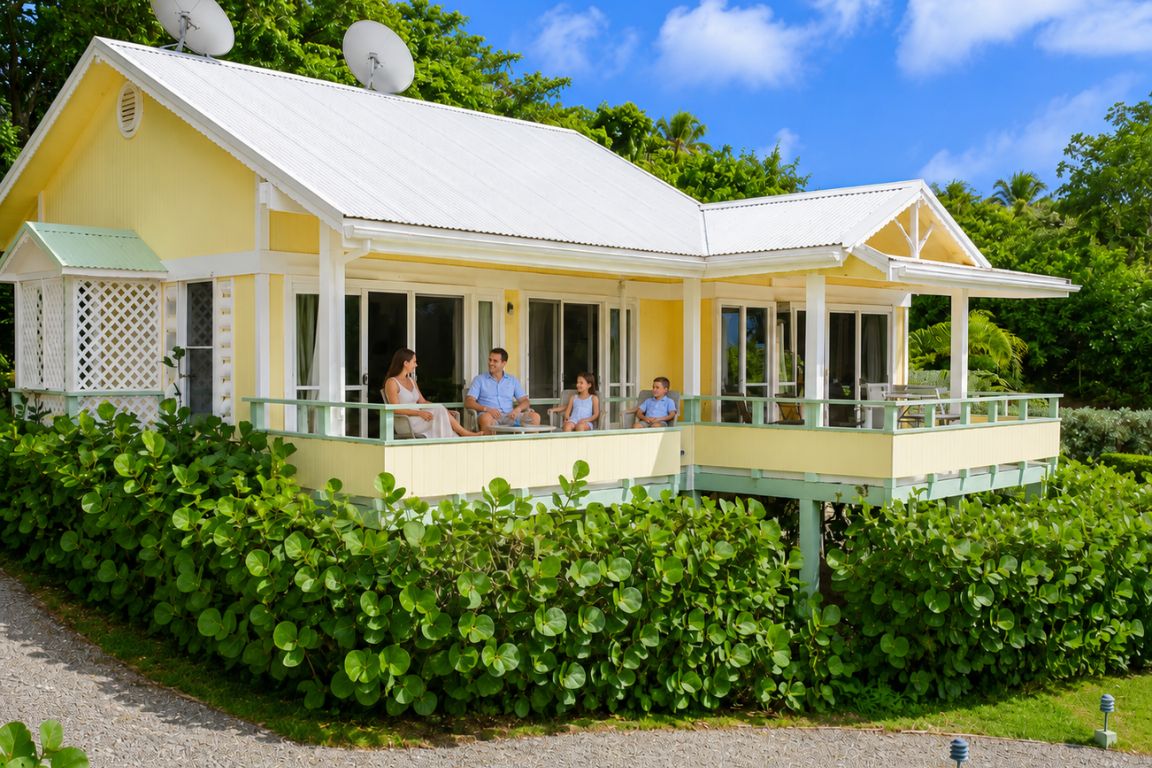 Vacation rentals through Airbnb or VRBO are the most practical family accommodation in Culebra. They offer kitchens, washing machines, and multiple bedrooms at lower per-night cost than the island’s limited hotel stock. Club Seabourne is the island’s only boutique hotel and offers family-oriented amenities including free cribs and a pool, at higher rates. For families staying two or more nights, a vacation rental in or near Dewey gives convenient access to the ferry, the ATM, and restaurants while keeping Flamenco and Tamarindo within a 10-minute drive.
A full kitchen is the most underrated family travel asset. Culebra’s restaurant options, while genuinely good, are limited in number and tend to close early. Having a refrigerator for snacks, juice boxes, and leftover mofongo from the night before removes the afternoon scramble that every parent knows well. The Dewey colmado (small grocery) stocks basics: fruit, bread, water, local snacks, and some produce. Bring specialty items, formula, or specific baby foods from the mainland because the selection is limited and the island’s small stores run out of popular items on busy weekends.
Families with infants and toddlers should prioritize proximity to Dewey for convenience. Families with older children who want to explore more of the island, especially Zoni and the eastern coast, may prefer a hillside rental with views and easy Jeep access. The Flamenco Beach area has a small number of vacation rentals very close to the beach, including properties directly overlooking the beach itself, which reduce the daily logistics of getting children, gear, and food to and from the sand.
Room access, kitchen facilities and child equipment need confirmation with your chosen accommodation; the boat packages do not establish those details.
What Family Groups Experience on Culebra with Kids
From our 15,400+ guided travelers, families with children are a consistent and growing segment of our guided groups, and their feedback differs in specific ways from adult-only travelers.
| “The turtle encounter was the highlight of the entire trip for our kids” | 84% | Plan a Tamarindo morning even if it requires skipping an afternoon at Flamenco. |
| “We wish we had stayed an extra night” | 71% | Two nights is the right minimum for a family. One day is too rushed. |
| “Ferry was harder on the kids than expected” | 38% | Flying is strongly recommended for families with children under 8. |
| “We ran out of cash” | 29% | Withdraw $100+ per adult and $30+ per child from mainland ATM before travel. |
| “Flamenco Beach exceeded every expectation for the whole family” | 96% | Flamenco is not overhyped for families. The water quality and safety are real. |
What Should You Pack for Culebra with Kids?
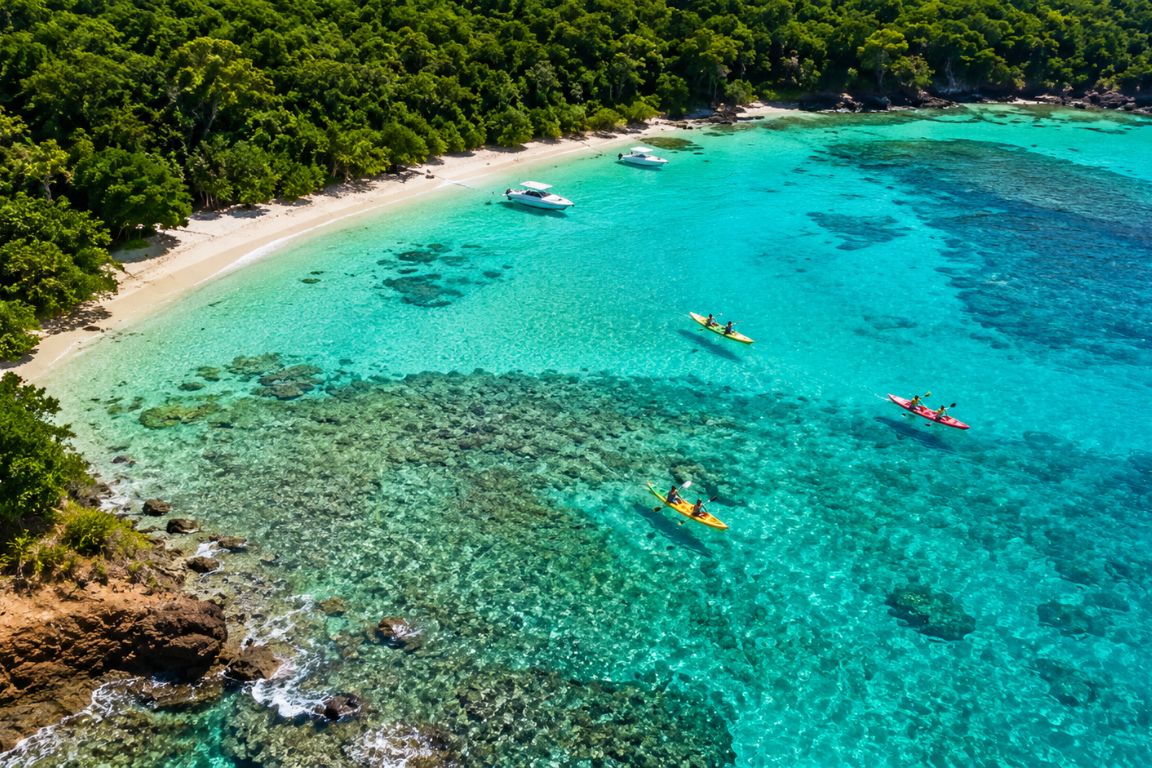 The five non-negotiables for Culebra with children: reef-safe mineral sunscreen (chemical sunscreen damages the reserve’s coral and is not suitable here), water shoes for Tamarindo and any rocky beach entry, rash guards or SPF shirts for extended snorkel sessions, cash in small bills (the island’s single ATM runs empty on busy weekends), and snorkel gear sized for your children if possible rather than relying on rentals. Beyond these, pack as light as the ferry or flight weight limits allow.
Reef-safe sunscreen is the most important single item on this packing list, and it is the one most commonly forgotten. Chemical sunscreens containing oxybenzone or octinoxate damage coral reefs and are effectively prohibited in the Luis Peña Channel Natural Reserve, where most of Culebra’s best snorkeling happens. Mineral sunscreen with zinc oxide or titanium dioxide is what you need. Apply it on land at least 30 minutes before entering the water. The island’s small grocery stores have limited stock; bring it from the mainland and bring more than you think you need for multiple days of beach time.
Water shoes protect children’s feet at Tamarindo, Melones, and Carlos Rosario, all of which have rocky or pebbly shore entries. They also protect the reef: a child who stumbles on a rocky entry and catches themselves on coral does damage that takes years to reverse. Water shoes in the correct child size are worth the bag space.
A rash guard or SPF shirt is more reliable sun protection than sunscreen for extended snorkel sessions. A child lying flat on the water’s surface has their back in direct Caribbean sun for however long they are snorkeling. Reapplying mineral sunscreen every 90 minutes to a child who is actively snorkeling is impractical. The shirt solves this.
Culebra with Kids: Sample Two-Day Family Itinerary
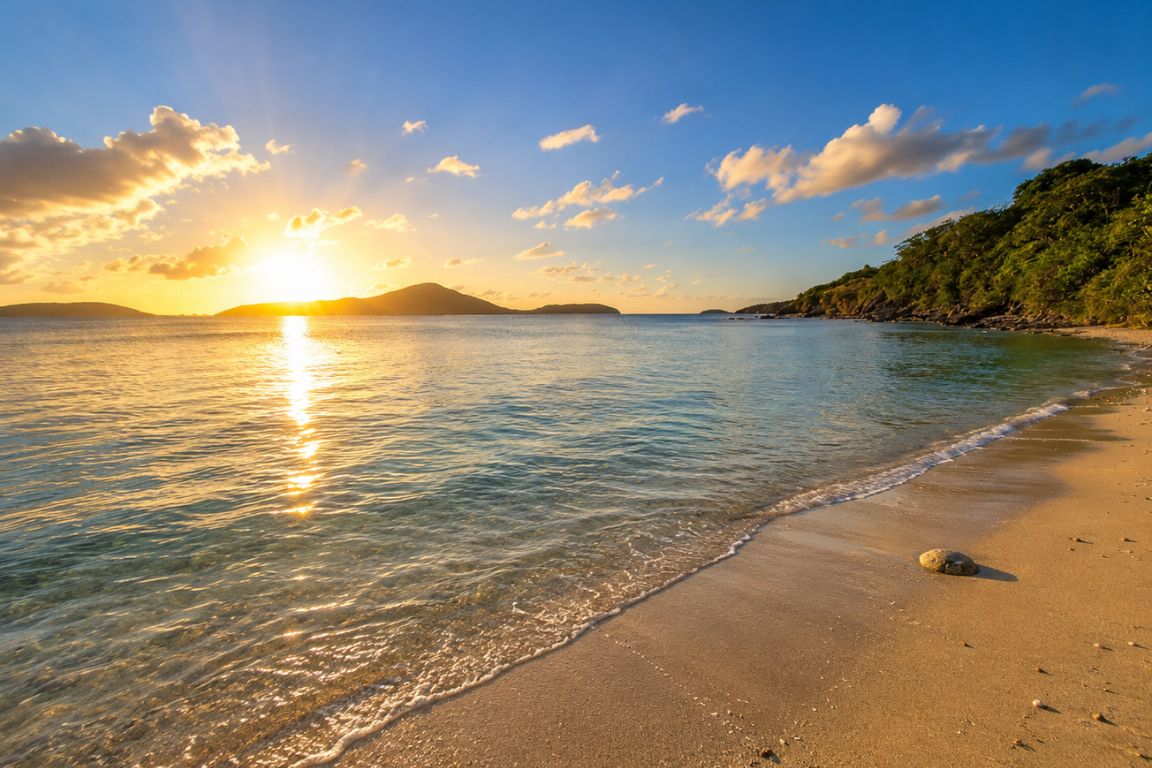 A two-day Culebra family itinerary covers Flamenco Beach on day one (full day, swimming, first snorkel at the eastern reef, kiosk lunch, tank exploration), Tamarindo for a morning turtle snorkel on day two followed by Melones Beach in the early afternoon for a second snorkel session and sunset views, with Dewey restaurant dinner both evenings. This covers the two defining family experiences on the island without rushing either.
Day 1: Flamenco Beach. Arrive early, by 9 AM, before the second wave of ferry day-trippers. Set up at the tree line for afternoon shade access. Spend the morning swimming in the calm, shallow western section of the horseshoe. After 11 AM, walk the children to the eastern end near the rocks for a snorkel session at the Shark Cages reef. Rent gear at the kiosks if you did not bring your own. Have lunch at the kiosks: empanadillas, cold drinks, the burger that regulars specifically mention. In the afternoon, walk west to the graffiti-covered tanks at the far end of the beach. Children consistently find these fascinating: two full-size M4 Sherman tanks covered in fifty years of layered paint in the middle of a Caribbean beach is an unlikely sight that earns genuine questions and a good Navy history conversation. Leave by 4:45 PM for the taxi back to Dewey. Dinner at Dinghy Dock or El Batey.
Trying to plan a beach day that actually lives up to the photos? Here’s a Flamenco Beach guide so you arrive prepared and leave with no regrets.
Day 2: Tamarindo Beach morning + Melones afternoon. Leave Dewey by 8:30 AM for Tamarindo. Arrive by 9 AM for the morning turtle session when visibility is best and marine life is most active. Plan 90 minutes to two hours at Tamarindo: the children will not want to leave. Water shoes on from the start. After the turtle session, drive to Melones Beach (five minutes from Dewey) for a second shorter snorkel if energy allows, or simply sit and watch the sunset from the west-facing shore. Melones’ proximity to Dewey means dinner is five minutes away. The evening walk through Dewey’s quiet streets, listening for coquí frogs after dark, is one of those small family moments Culebra does effortlessly.
Trying to decide whether Tamarindo is worth the trek when Flamenco is right there? Here’s Flamenco Beach vs Tamarindo Beach broken down so you make the call with confidence.
For families with a third day, add the Culebrita water taxi for Las Jacuzzis and Playa Tortuga . This is the day that older children call the best day of the trip.
Not sure how to structure a single day on the island without feeling rushed? This 1-day Culebra itinerary walks you through the best sequence of beaches, snorkel spots, and food stops
Frequently Asked Questions
Is Culebra safe for families with young children?
Yes. Flamenco Beach has a lifeguard and some of the calmest, clearest water in the Caribbean. The island has minimal traffic, no significant crime concerns for tourists, and a small community atmosphere. The main safety consideration is sun exposure: Caribbean UV is intense and reef-safe sunscreen plus rash guards are genuinely important, not optional advice.
What is the minimum age for sea turtle snorkeling in Culebra?
Guided tours at Tamarindo typically accept children aged 6 and up who can swim comfortably. Independent turtle snorkeling works better for children aged 8 to 10 with prior snorkel experience. The water is shallow (3 to 10 feet in the sea grass zone) and calm, making it accessible to younger children than most open-water snorkel sites.
Should families fly or take the ferry to Culebra?
Fly, for families with children under 8 or any child prone to motion sickness. The 25 to 30-minute flight from San Juan Isla Grande eliminates an hour on the water and lands you closer to Flamenco Beach. The ferry is fine for older children on a calm day, especially in summer, but seasickness on the eastbound crossing affects children more than adults.
Are there high chairs and cribs available in Culebra?
Club Seabourne, the island’s only boutique hotel, provides free cribs and high chairs. Most vacation rentals on Airbnb and VRBO do not include these automatically; check the listing or contact the host before booking. Bringing a lightweight travel crib is practical for families with infants given the limited stock on the island.
Can you buy baby food and formula in Culebra?
In limited quantities. The Dewey colmado (grocery store) carries some basics, but the selection is small and popular items run out on busy weekends. Bring specialty foods, formula, baby food pouches, and any specific brand items from the mainland. Do not plan on resupplying on the island.
Written by Camila Elena Ramirez
Puerto Rican tour guide since 2014 · Founder, Culebra Tours
Camila has guided over 15,400 travelers through Culebra and the Spanish Virgin Islands since founding the agency.