Kayaking in Culebra
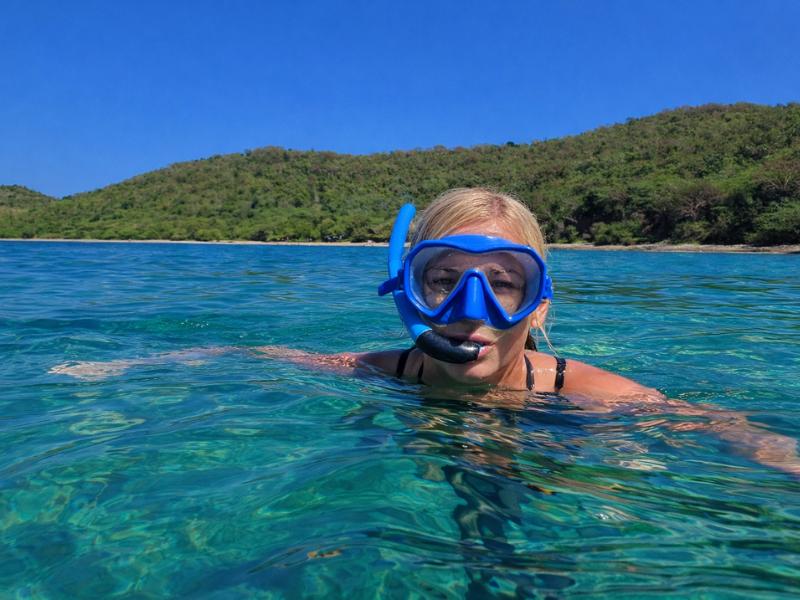
Kayaking is one of Culebra’s best-kept secrets, offering access to secluded reefs, quiet beaches, and island scenery that most visitors never experience.
For casual paddling, the catamaran beach day supplies kayaks and paddleboards. It is separate from a guided channel crossing or standalone rental. Explore Culebra Full Day Beach and Fun Experience by Catamaran
Kayaking in Culebra is genuinely excellent and underused compared to snorkeling. The main routes are: Dewey or Melones to Cayo Luis Peña (~45 min paddle, channel crossing), Zoni Beach to Culebrita (~30 min, open water, experienced paddlers only), and the Flamenco Lagoon loop (calm, beginner-friendly, no crossing). Guided kayak-snorkel combo tours run by Kayaking Puerto Rico and Bright Paddle are the most popular organized option. Independent rentals are available through Culebra Bike Shop and at Tamarindo Beach. The channel to Cayo Luis Peña is the sweet spot: close enough for most paddlers, remote enough to feel like a real expedition, and the snorkeling on arrival is excellent.
Booking Choice: Puerto del Rey Marina; return to marina. Check Dates For The Beach Kayaking Day
Kayaking in Culebra: Route Options at a Glance
| Dewey / Melones to Cayo Luis Peña | ~30-45 min each way | Moderate. Channel crossing ~1 mile. | Intermediate paddlers, snorkel combo | Excellent. Protected reserve reef. |
| Tamarindo to Cayo Luis Peña | ~20-30 min each way | Moderate. Shorter crossing. | Intermediate paddlers already at Tamarindo | Excellent. Same reserve water. |
| Zoni Beach to Culebrita | ~30-45 min each way | Difficult. Open Atlantic water. | Experienced paddlers only | Yes. Best snorkeling in archipelago. |
| Flamenco Lagoon loop | ~1-2 hours round | Easy. Flat, protected lagoon. | Beginners, families, bird watching | No. Lagoon is not a snorkel site. |
| Shore paddling (Dewey to Melones) | ~20-30 min | Easy. Stay close to coast. | First-time kayakers, warm-up paddle | Yes at Melones. Entry on arrival. |
Times are estimates for moderate paddlers in calm conditions. Always check weather and wind before any crossing. Data verified July 2026.
Is Kayaking in Culebra Worth It?
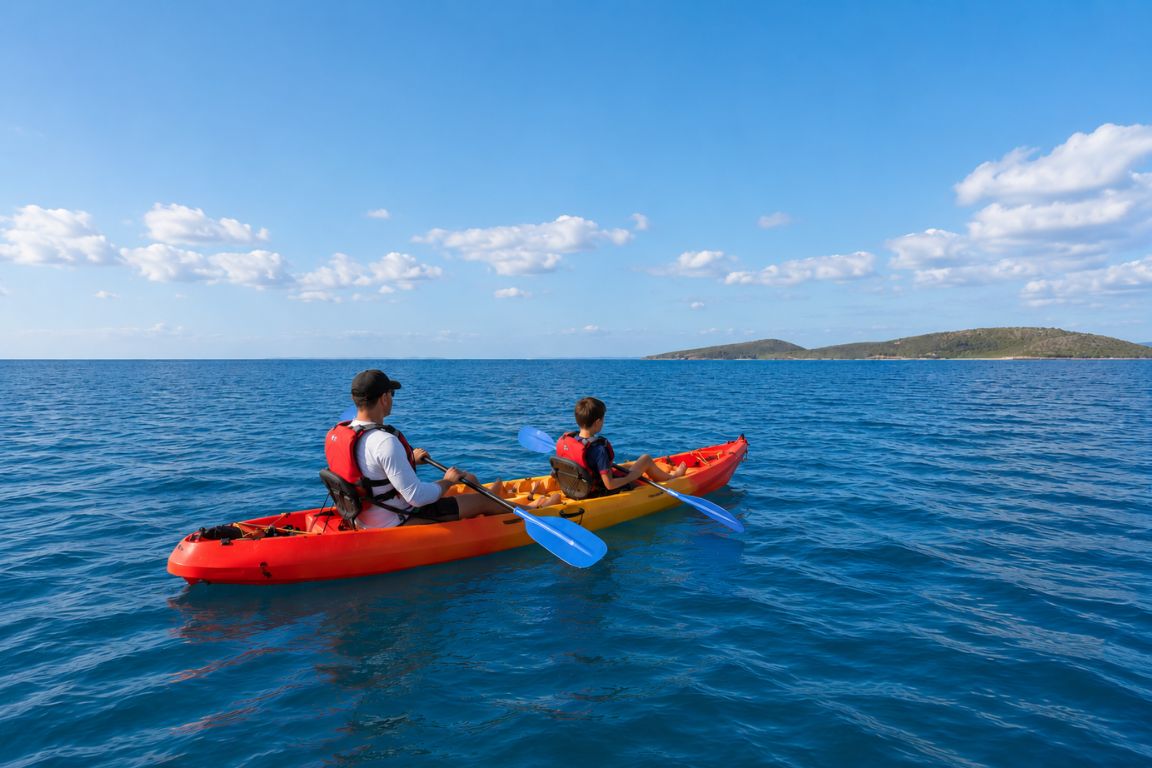 Yes. Kayaking in Culebra is one of the most underused activities on the island, which means the routes are quiet, the cays are nearly empty when you arrive, and the water quality around the Luis Peña Channel Natural Reserve is extraordinary. The combination of a kayak crossing and a snorkel session at Cayo Luis Peña is one of those Culebra experiences that travelers who have done both Flamenco and Tamarindo consistently describe as the best single day on the island. It requires some physical effort and a reasonable day weather-wise. The payoff is proportional to both.
Most visitors to Culebra never get in a kayak. They come for Flamenco Beach, do Tamarindo, maybe reach Carlos Rosario on the Flamenco parking lot trail, and head back to the mainland. A kayak takes you to sites that none of those options reach: the beaches on the eastern side of Cayo Luis Peña, the sheltered coves at Playa Datiles, and the sections of the reserve’s reef that are only visible from the water. The channels between Culebra’s western shore and the cay system are some of the most visually striking paddling in Puerto Rico, with the water color shifting from green-blue in the shallows to deep Caribbean blue in the channel, and the cays rising ahead of you as you paddle toward them.
One honest note before the route details: open-water kayaking in Culebra requires judgment about conditions. The channel between Culebra and Cayo Luis Peña is roughly one mile wide. On a calm day in April it is a pleasant paddle for moderately fit people with no kayaking background. On a day when the trade winds are running strong, the same channel can produce chop that makes the crossing significantly harder and the return paddle, paddling against the wind, genuinely tiring. Check conditions locally at your rental provider before committing to any channel crossing. The operators on the island will tell you straight whether the day is suitable.
Flamenco Beach consistently ranks among the best beaches in the world and it earns it. Here’s a full Flamenco Beach guide so you show up knowing what to expect and how to make the most of your time there.
Where Are the Best Places to Kayak in Culebra?
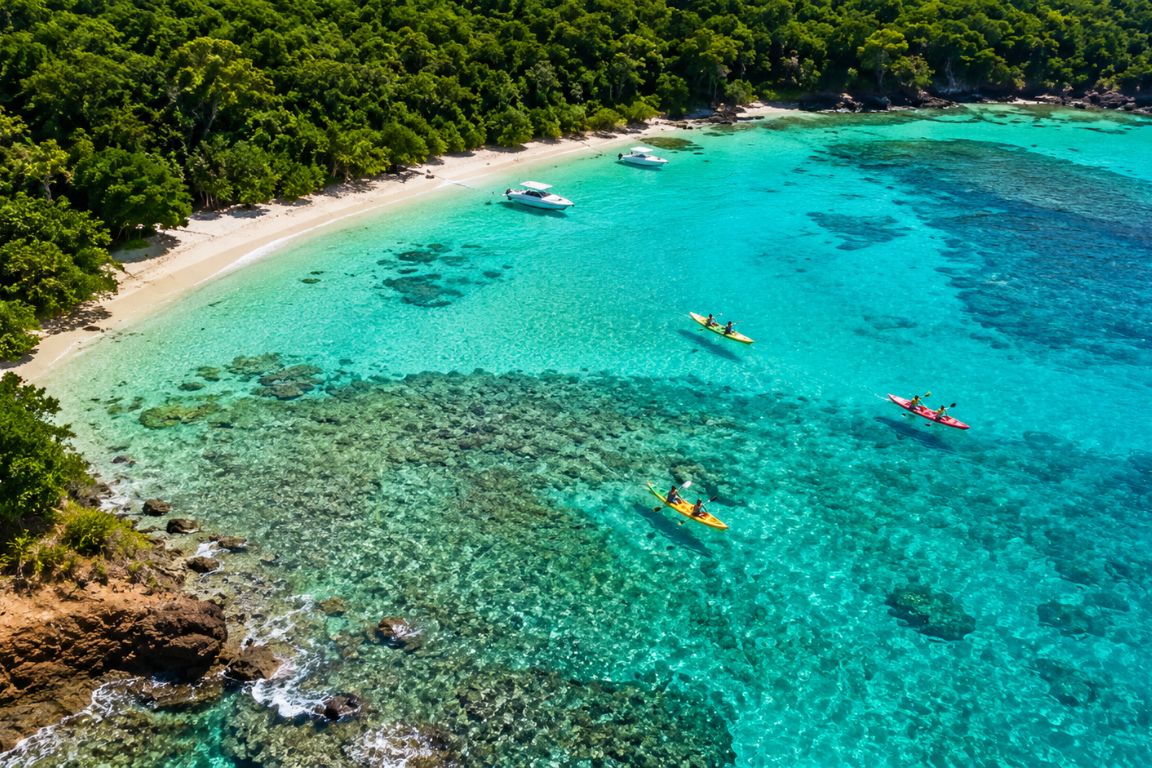 The best kayaking in Culebra is in the Luis Peña Channel Natural Reserve, the protected water between Culebra’s west coast and Cayo Luis Peña. This zone offers the clearest water, the most marine life visible from the surface while paddling, and the best snorkeling on arrival at the cay. Secondary routes include the Flamenco Lagoon for calm beginner paddling, the shore route from Dewey to Melones, and the more demanding open-water crossing from Zoni Beach to Culebrita for experienced paddlers.
The reserve channel is where kayaking and snorkeling combine most naturally. The water is protected from Atlantic swell by the cay system, clear enough to see reef structure from the kayak surface, and the reserve’s no-take status means fish are visible below you throughout the paddle. Hawksbill turtles surface regularly in this channel. Brown pelicans and magnificent frigatebirds follow the fish schools along the surface. The paddle to Cayo Luis Peña takes about 30 to 45 minutes from Dewey or Melones, and shorter, around 20 to 30 minutes, from Tamarindo on the west coast.
The Flamenco Lagoon loop is the right starting point for paddlers who have never been on open water or who are visiting with young children. The lagoon behind Flamenco Beach is flat, protected, and surrounded by mangrove vegetation that hosts nesting birds and juvenile fish. No crossing is involved. The lagoon is not a snorkel destination, but for a 90-minute paddle through a lush Caribbean mangrove system with the green hills of the refuge overhead, it delivers a completely different Culebra experience than any beach visit provides.
The shore route from Dewey along the western coast to Melones is a short warm-up paddle that ends at one of the island’s best shore-access snorkel sites. Launch from the town waterfront or from Melones Beach directly, paddle the western coast with views of Cayo Luis Peña across the channel, and arrive at Melones to snorkel the reef on entry. This route is appropriate for beginners staying close to shore the whole time.
Trying to build a beach itinerary that goes beyond just Flamenco? Here’s the best beaches in Culebra tours so you discover what the rest of the coastline has to offer.
What Types of Kayaking Are Available in Culebra?
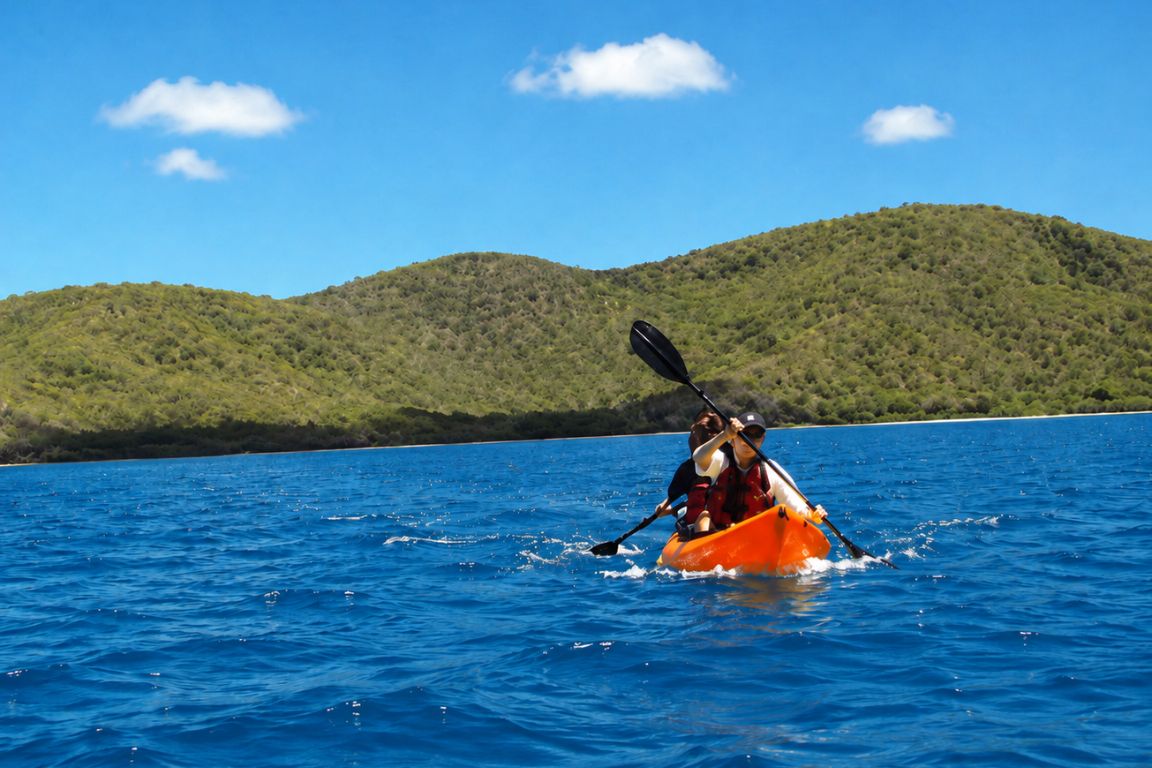 Culebra offers three kayaking formats: guided kayak-snorkel combo tours led by local operators, independent kayak rentals for self-directed paddlers, and stand-up paddleboard (SUP) tours which operate on the same waters and offer a different physical experience. Guided tours include safety briefings, snorkel stops, and local knowledge about conditions and wildlife. Independent rentals give you more time and flexibility at lower cost. SUP tours, run primarily by Bright Paddle, add a balance challenge to the same reserve channels and reach some of the most photogenic sections of the western cay system.
Guided kayak-snorkel combo tours are the most popular organized format. Kayaking Puerto Rico’s current Aquafari ferry-day listing combines guided shore snorkeling at Tamarindo Beach with a visit to Flamenco; despite the operator name, this listing does not include kayaking. This is the format that eliminates all logistics: gear is provided, guides lead the snorkel sessions, and the combination of paddling and wildlife encounters produces the highest traveler satisfaction scores of any Culebra water activity. The minimum group requirement (typically six participants) means this format runs most reliably in peak season; check current availability directly with the operator.
Independent kayak rentals allow experienced paddlers to set their own itinerary and time at each site. The Culebra Bike Shop in Dewey has kayaks for rent in the $40 to $60 range for the day, and rentals are also available at Tamarindo Beach (launch and return same day). Independent paddlers heading to Cayo Luis Peña should plan to arrive by mid-morning to maximize their time on the cay before the wind typically builds in the early afternoon.
Bright Paddle runs guided SUP tours including a night glow SUP through the channels, where bioluminescence in the water makes the boards light up as you paddle. This night tour is one of the most unusual experiences available on the island and has no equivalent among the snorkeling or beach options. The sessions run in the protected reserve channels where conditions are calm enough for paddleboard balance in the dark.
Can You Kayak to Cayo Luis Peña from Culebra?
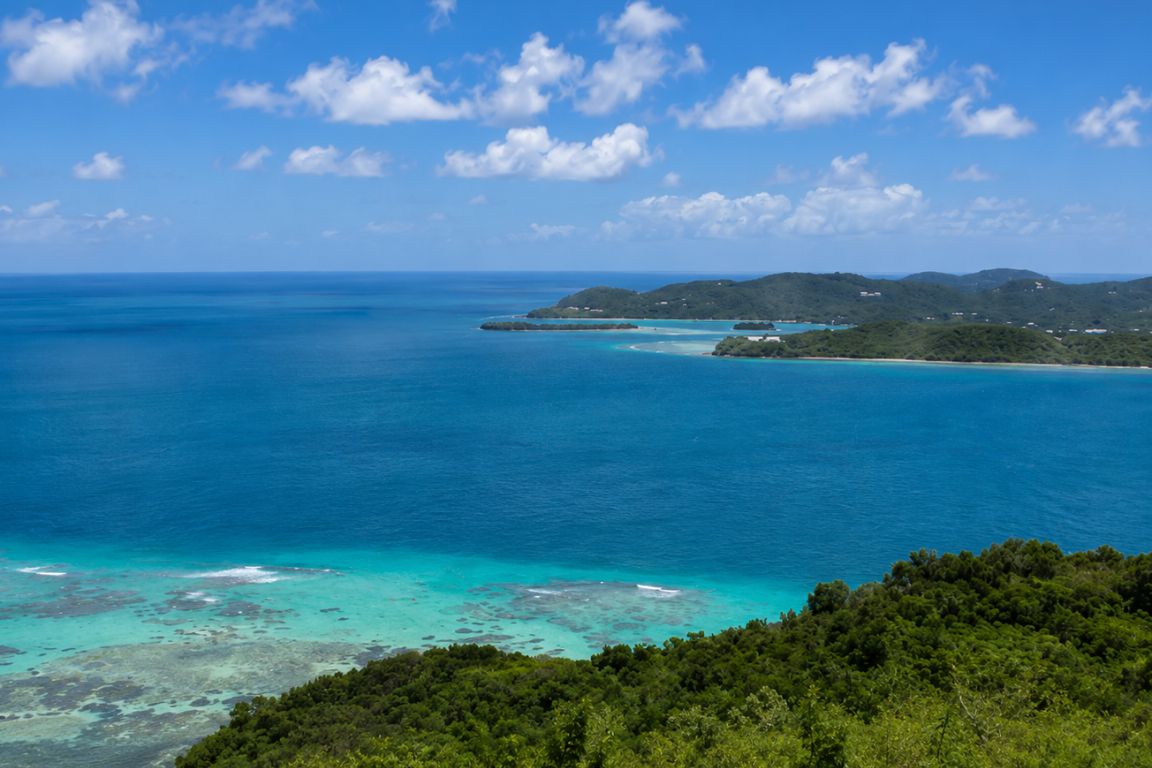 Yes, and it is the best independent kayaking day available on the island for moderately fit paddlers. Cayo Luis Peña sits about one mile across the channel from Melones Beach or the Dewey waterfront, and about half a mile from Tamarindo Beach. The paddle takes 20 to 45 minutes depending on your launch point and conditions. The cay is part of the Culebra National Wildlife Refuge, open from 6 AM to 6 PM, and has pristine reef snorkeling, secluded beaches, a hikeable ridge trail, and almost no other visitors on most days.
The approach matters. Launching from Tamarindo Beach gives you the shortest crossing, roughly 20 to 30 minutes, and puts you directly opposite the cay’s eastern coves. Launching from Dewey or Melones is slightly longer (30 to 45 minutes) but more straightforward to navigate. The channel between Culebra’s main shore and the cay runs roughly north-south; paddle directly across toward the eastern tip of the cay where a sandy entry cove sits. The western beaches of the cay, facing the open Caribbean, require paddling around the island and are worth the extra time if conditions are calm.
On the cay itself: no facilities, no fresh water, no shade structure beyond what the vegetation provides. Bring everything you need for a full day including food, water, and snorkel gear. The reef on the eastern side of the cay has healthy corals and dense fish populations under the same reserve protection as Carlos Rosario and Tamarindo. The western beach, reached by crossing the low ridge trail (about 10 minutes on foot across the cay’s spine), faces the open Caribbean and is one of the most private snorkeling and swimming spots in the entire archipelago.
Rules at the cay: no fishing, no collecting shells or natural objects, no camping, no campfires. These are federal reserve rules. The reserve closes at 6 PM, so plan your return paddle to Culebra well before that, accounting for the fact that the return trip against any afternoon headwind takes significantly longer than the outbound paddle with calm morning conditions.
Can You Kayak to Culebrita from Culebra?
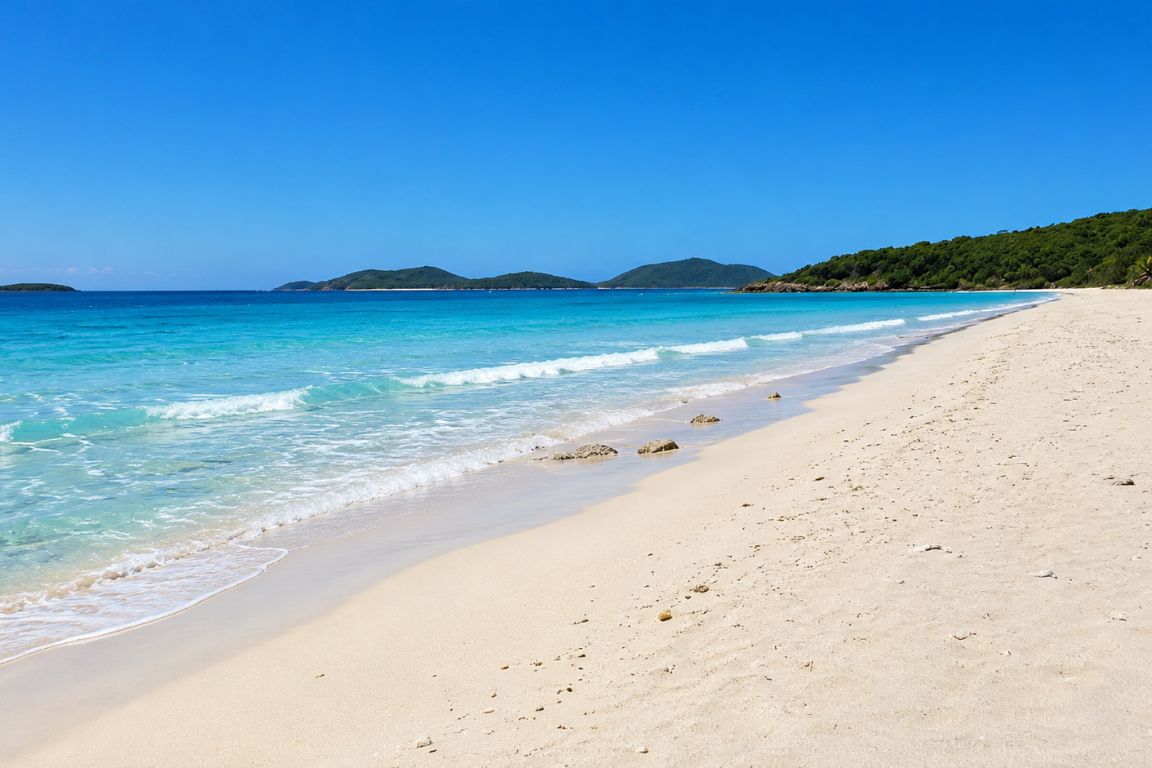 Technically yes, practically only for experienced open-water paddlers willing to cross roughly 2 to 3 miles of exposed Atlantic water from Zoni Beach on Culebra’s northeast coast. One experienced paddler reported the crossing from Zoni at approximately 30 minutes in calm conditions with 5-knot winds. Most visitors with average fitness and standard sea kayak experience should take the water taxi instead. Kayaking to Culebrita is a genuine open-water passage, not a sheltered channel paddle, and should be treated accordingly.
The conditions variable is the decisive factor. The Zoni-to-Culebrita crossing is the shortest route at under 2 miles, but it faces the open Atlantic on the northeast side of the island. On a flat, windless morning in summer it is a beautiful crossing with Culebrita’s lighthouse growing ahead of you. On a day when the trade winds are running, the same water is chop with a strong return headwind that significantly extends the return paddle and tires paddlers who went out in calm conditions and found the afternoon very different.
The water taxi from Dewey to Culebrita costs roughly $50 to $70 per person round-trip and takes about 15 minutes. For the overwhelming majority of visitors, the water taxi is the right call. It gets you to Culebrita faster, leaves you more energy for the lighthouse hike and Las Jacuzzis tidal pools, and removes the weather risk from the return. Kayaking to Culebrita is an adventure that experienced paddlers who specifically want the crossing as part of the experience should pursue on a suitable day. It is not a casual morning activity.
Kayaking vs Snorkeling Tours: Which Should You Book?
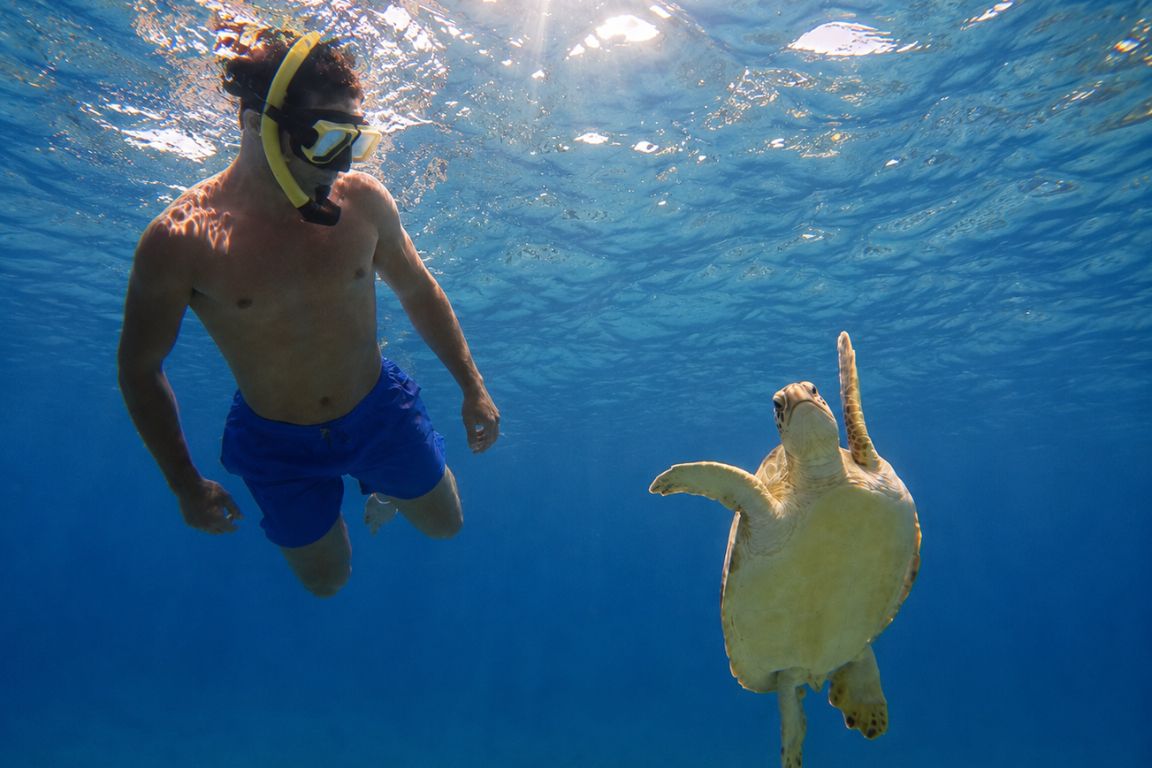 They are not mutually exclusive, but if you are choosing one organized half-day activity, the kayak-snorkel combo is the more complete experience for the same time investment. Pure snorkeling tours offer more time underwater. Pure kayaking tours offer more exploration of the channel and cay geography. The combo format delivers both. The right choice depends on whether your priority is wildlife encounters underwater or physical exploration of the reserve from the surface.
| Time underwater | Most. Focused on snorkel sessions. | Moderate. Split between paddling and snorkeling. | Flexible. You control the schedule. |
| Physical effort | Low. Walking and swimming only. | Moderate. Paddling plus snorkeling. | Moderate to high. Depends on route. |
| Turtle encounter likelihood | Very high. Guide leads to turtle zone. | High. Snorkel stop at Tamarindo/reserve. | Moderate. Depends on your navigation. |
| Exploration of cays | Limited. Mostly in the water. | Good. Paddle to Cayo Luis Peña. | Excellent. Full day at your own pace. |
| Best for | Wildlife-focused visitors, first-timers, families with young kids | Most visitors wanting a complete experience | Fit, experienced paddlers wanting independence |
| Approx. cost | ~$50-$100 half-day | ~$80-$120 half-day | ~$40-$60/day rental only |
Prices verified July 2026. Confirm with operators before booking.
Not sure which snorkeling tours are actually worth booking versus just renting gear off the beach? This breakdown on the best snorkeling tours in Culebra tells you what each option delivers underwater.
What Our Groups Experience Kayaking in Culebra
From our 15,400+ guided travelers, kayaking combines with snorkeling as the highest-rated activity format we run on the island.
| Saw sea turtles during kayak or snorkel stop | 88% | Reserve snorkel stop nearly always delivers turtle encounters. |
| Reached Cayo Luis Peña beach | 76% | Most guided combo tours include the cay landing. Independent paddlers go on suitable days. |
| “Best thing we did on the island” | 64% | Higher rating than standalone snorkel tours for most multi-activity groups. |
| Reported arms tired on return paddle | 41% | Channel wind builds in afternoon. Morning departures strongly recommended. |
| Would kayak again on a return visit | 91% | Highest repeat-intent score of any activity we run. |
What Should You Know Before Kayaking in Culebra?
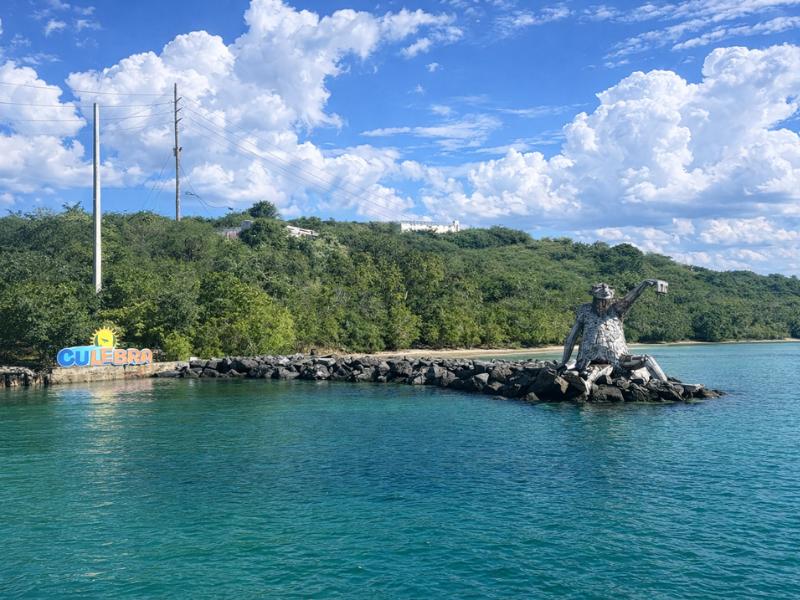
Three things matter most: go in the morning before the trade winds build in the afternoon, wear a personal flotation device on any channel crossing regardless of your swimming ability, and apply reef-safe mineral sunscreen before launching rather than after you arrive at the snorkel site. The channels around Culebra are open water, not a pool. Conditions change. Morning departures before 10 AM give you the calmest window and the best snorkel visibility at the reserve sites.
The trade wind pattern is consistent: mornings are typically calm to light, and the wind builds through the afternoon. This pattern makes morning the right window for any channel crossing. The Cayo Luis Peña channel in particular, running roughly north-south, can have its outbound direction (westbound from Culebra) sheltered or assisted by the morning calm, but the return crossing (eastbound back to Culebra) against an afternoon trade wind is a noticeably harder paddle than it was going out. Paddlers who leave at 9 AM have a very different return experience than those who launch at noon.
Personal flotation devices are non-negotiable for any channel crossing regardless of swimming ability. The channel between Culebra and Cayo Luis Peña has boat traffic, including water taxis and private charters running the same route. Being visible and buoyant in that channel matters. All rental providers include a PFD with kayak rentals and all guided operators require them. Wear it properly.
Sun exposure during a full kayak day is considerable. You are on the water for hours, the reflection amplifies UV exposure, and the combination of paddling exertion and Caribbean sun accelerates dehydration. Bring at least two liters of water per person, a hat, and a rash guard or SPF shirt. The reef-safe sunscreen rule applies at every snorkel stop in the reserve; apply it on land before entering the water, not in thFe channel.
The island is small but there’s more to plan than most people expect. Here’s a Culebra travel guide so you show up with a solid plan and zero wasted days.
How Do You Rent a Kayak in Culebra?
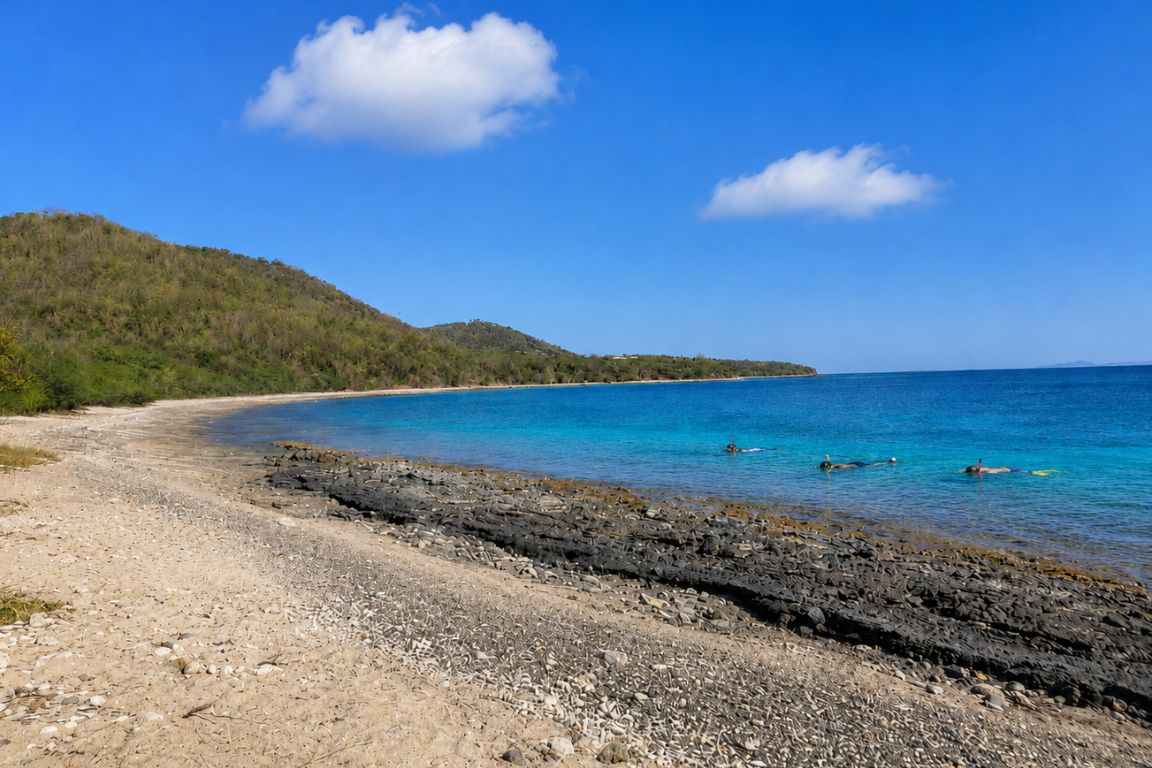 Kayak rentals are available through the Culebra Bike Shop in Dewey (call ahead to confirm availability at 787-742-0589) and at Tamarindo Beach through local operators on-site. The Culebra Bike Shop also has a dock that gives direct water access to the Luis Peña Channel, making it a convenient launch point for the Cayo Luis Peña crossing. Expect to pay $40 to $60 per day for a tandem kayak. Guided kayak-snorkel tours that include gear are available through Kayaking Puerto Rico and Bright Paddle.
Kayak availability on Culebra is limited. The island is small, the rental infrastructure is not extensive, and on busy weekends the supply of available kayaks runs short. Call ahead the day before you want to paddle, not the morning of. The Culebra Bike Shop has been a consistent supplier with local knowledge about conditions and launch points, and the staff can advise whether the day is suitable for the channel crossing you have in mind.
The Tamarindo Beach rental option is convenient if you are already at Tamarindo for snorkeling and want to extend the day with a paddle to Cayo Luis Peña. Rentals there are typically day-only with launch and return from Tamarindo, which suits the crossing perfectly given that the cay is directly across from the beach. They tend to be slightly more expensive than the Culebra Bike Shop rates, but the location saves the drive from Dewey.
For SUP (stand-up paddleboard) rentals and guided SUP tours including the night glow tour, Bright Paddle is the primary operator. Their tours reach the same reserve channels and cay areas as kayak routes, with smaller group sizes and a more personalized guide experience. The night tour specifically has no kayak equivalent on the island.
The catamaran offers kayak use at its beach stop, not a standalone rental or guided channel crossing. No matching affiliate rental was verified.
Frequently Asked Questions
Is kayaking in Culebra suitable for beginners?
Yes for the Flamenco Lagoon loop and the shore route from Dewey to Melones, which stay in protected, flat water the entire time. The Cayo Luis Peña channel crossing is suitable for moderately fit beginners on a calm day. The Culebrita crossing from Zoni Beach is for experienced open-water paddlers only. Check conditions locally before any crossing.
How long does it take to kayak to Cayo Luis Peña?
About 30 to 45 minutes from Dewey or Melones Beach, or 20 to 30 minutes from Tamarindo Beach, which has the shorter crossing. Times vary with paddler fitness and wind conditions. The return paddle against afternoon trade winds typically takes 15 to 30 minutes longer than the outbound trip.
Can you snorkel at Cayo Luis Peña after kayaking there?
Yes, and it is the main reason to make the crossing. The reef on Cayo Luis Peña’s eastern side is within the Luis Peña Channel Natural Reserve with the same no-take protection as Carlos Rosario and Tamarindo. Healthy corals, dense fish populations, and regular turtle sightings. Bring your own snorkel gear since there is nothing on the cay.
Where do you rent kayaks in Culebra?
The Culebra Bike Shop in Dewey (787-742-0589) rents kayaks in the $40 to $60 range with direct channel water access. Tamarindo Beach has on-site rental operators. Call ahead to confirm availability, especially in peak season. Guided kayak-snorkel tours through Kayaking Puerto Rico include all gear.
What is the Bright Paddle night SUP tour in Culebra?
A guided stand-up paddleboard tour through the reserve channels after dark, where bioluminescence in the water lights up around the boards as you paddle. Brown pelicans and stingrays are visible through the glowing water. One of the most unusual experiences available on the island with no kayak equivalent. Book through brightpaddle.com.
Written by Camila Elena Ramirez
Puerto Rican tour guide since 2014 · Founder, Culebra Tours
Camila has guided over 15,400 travelers through Culebra and the Spanish Virgin Islands since founding the agency.